Critically Endangered Species: The IUCN Red List and the Fight Against Extinction
The natural world is currently facing an extinction crisis, with species disappearing at a rate far exceeding natural background levels. To track and combat this loss, the International Union for Conservation of Nature (IUCN) maintains the Red List, a comprehensive inventory that evaluates the global conservation status of biological species. Among its categories, the status of Critically Endangered (CR) represents the most urgent level of risk for species that are not yet extinct.
A species is classified as critically endangered when it faces an extremely high risk of extinction in the wild. As of March 2026, the IUCN Red List includes 172,620 species, of which 10,774 (approximately 6.2%) are listed as critically endangered. This group includes 1,406 species that are possibly extinct and 64 that are possibly extinct in the wild.
Key Facts
- Plant Dominance: More than half of all critically endangered species are plants, totaling 6,445 species (59.8%).
- Animal Count: There are 4,277 animal species currently listed as critically endangered.
- Other Taxa: The list also includes 48 fungi species and 4 chromista species.
- Classification: Critically endangered species fall under the broader "Threatened" category of the IUCN Red List.
- Strict Verification: A species is not declared extinct until extensive targeted surveys have been conducted.
How the IUCN Determines Critically Endangered Status
The IUCN Red List uses seven different categories based on factors such as population size, habitat range, and specific threats. To be designated as critically endangered, a species must meet at least one of the following five scientific criteria:
A. Population Reduction
A species may qualify if there is a suspected or observed population decline of ≥ 90% over the last 10 years or three generations (whichever is longer) if the causes are understood, ceased, and reversible. If the causes are not understood or reversible, a decline of ≥ 80% is sufficient for this classification.
B. Geographic Range
This criterion looks at the extent of occurrence (the overall area the species is found) or the area of occupancy (the specific area it actually occupies). A species qualifies if its extent of occurrence is less than 100 km or its area of occupancy is less than 10 km, combined with severe fragmentation, continuing decline, or extreme fluctuations in population or habitat.
C. Small Population Size and Decline
If a population consists of fewer than 250 mature individuals and is projected to decline by at least 25% within ten years or three generations, it is listed as CR. Alternatively, it may qualify if there is a continuing decline and a fragmented population structure (e.g., no subpopulation exceeding 50 mature individuals).
D. Very Small Populations
Any species with an estimated population of fewer than 50 mature individuals is automatically categorized as critically endangered.
E. Quantitative Analysis
A species is listed if a mathematical analysis shows a probability of extinction in the wild of at least 50% within 10 years or three generations.
Primary Causes of Species Decline
The current acceleration of extinction is largely attributed to human impact on climate change and the resulting loss of biodiversity (the variety of life in a particular habitat). While natural forces can stress populations, human activity is the primary driver.
Habitat loss is the most significant cause of extinction. When urbanization, agriculture, and pollution destroy the environments species rely on for survival, populations inevitably crash.
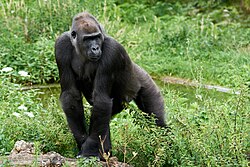
Another critical threat is the introduction of invasive species—non-native organisms that outcompete native species for resources, often leading to the native population's collapse. Additionally, the introduction of new diseases can devastate native species that have no natural resistance.
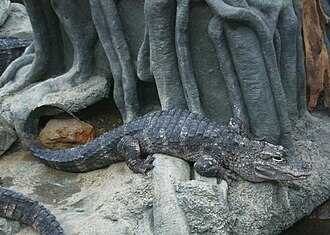
Notable Critically Endangered Species
Thousands of species are currently fighting for survival. These range from the Wollemi pine—a "living fossil" plant—to a wide array of animals across different classes.
- Mammals: The Vaquita, Amur leopard, Saola, Sumatran orangutan, and various pangolin species.
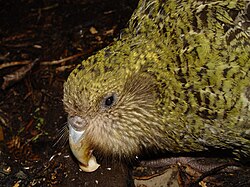
- Birds: The California condor and the Kākāpō.
- Reptiles & Amphibians: The Hawksbill sea turtle, Yangtze giant softshell turtle, Axolotl, Chinese giant salamander, and Panamanian golden frog.
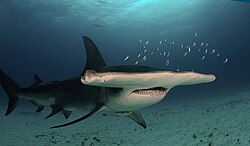
- Fish & Others: The Devils Hole pupfish and the peacock tarantula.
| Category | Number of Species | Percentage of CR Total |
|---|---|---|
| Plants | 6,445 | 59.8% |
| Animals | 4,277 | ~39.7% |
| Fungi | 48 | <1% |
| Chromista | 4 | <1% |
| Total | 10,774 | 100% |
Frequently Asked Questions
What is the difference between "critically endangered" and "extinct"?
A critically endangered species is at an extremely high risk of extinction in the wild but still exists. The IUCN does not classify a species as extinct until extensive targeted surveys have been conducted to confirm its absence.
Why are there more critically endangered plants than animals?
According to IUCN data, plants make up 59.8% of the critically endangered list, totaling 6,445 species, which is significantly higher than the 4,277 animal species listed.
What are the main human activities causing habitat loss?
The primary human activities leading to the destruction of natural habitats include urbanization, agricultural expansion, and pollution.
How does an invasive species lead to extinction?
Invasive species exploit the resources of a new habitat to outcompete native organisms. This competition for food and space can drive native species toward endangerment or total extinction.
What is the "possibly extinct in the wild" category?
This is a sub-category of critically endangered species used for taxa that may only survive in captivity or cultivation, modeled on categories used by BirdLife International.