Crimean Tatars: History, Culture, and the Struggle for Homeland
The Crimean Tatars are a Turkic ethnic group indigenous to the Crimean Peninsula. With a rich history spanning centuries of statehood, migration, and resilience, they have maintained a distinct cultural identity despite facing systemic displacement and political upheaval. Today, they are recognized as an indigenous people of Ukraine, though their population is spread across several countries due to historical deportations and migrations.
Their identity is deeply intertwined with the land of Crimea, where they established powerful political entities and developed a unique blend of Turkic and local influences.
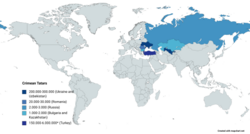
Key Facts
- Indigenous Status: Recognized as the indigenous people of the Crimean Peninsula.
- Primary Language: Crimean Tatar, with significant fluency in Turkish, Russian, and Ukrainian.
- Religion: Predominantly Sunni Islam.
- Global Distribution: Large populations reside in Turkey (4–6 million), Ukraine, and Uzbekistan.
- Political Representation: Historically led by the Mejlis, the representative body of the Crimean Tatar people.
Historical Evolution
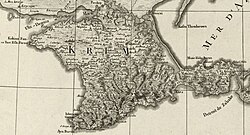
The Golden Horde and the Crimean Khanate
The origins of the Crimean Tatars are linked to the Golden Horde, a Mongol-Turkic state. Following the fragmentation of the Horde, the Crimean Khanate emerged as a significant power. During this era, the Tatars developed a sophisticated administrative and military structure, often maintaining complex relations with the Ottoman Empire.
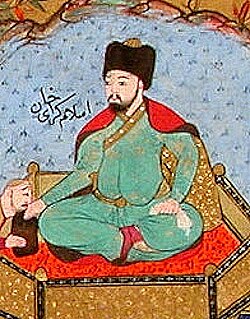
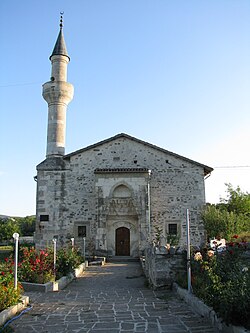
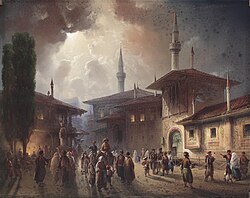
The Khanate was characterized by its strategic control of the Black Sea region and its involvement in the Nogay slave trade between the 15th and 18th centuries. Architectural landmarks from this period, such as the Ozbek Han Mosque (built in 1314) and the Khan's Palace in Bakhchysarai, stand as testaments to their cultural and political zenith.
Russian Empire and Soviet Era
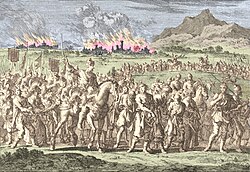
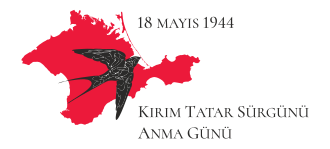
The Russian Empire annexed Crimea in the late 18th century, marking the beginning of a long period of political instability for the Tatars. Under the Soviet Union, the community faced one of its darkest chapters: the Sürgün, or mass deportation. In 1944, the entire Crimean Tatar population was forcibly removed from their homeland and relocated to Central Asia, primarily Uzbekistan.
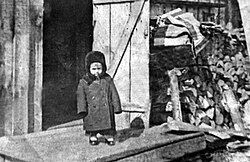
This genocide-level event led to a decades-long civil rights movement. Former Soviet dissident Mustafa Dzhemilev became a pivotal figure in the struggle for the right to return to Crimea, eventually leading to the repatriation of many Tatars in the late 20th century.
Demographics and Distribution
The Crimean Tatar population is widely dispersed. While their ancestral home is Crimea, significant communities exist globally. The largest diaspora is found in Turkey, while substantial populations remain in Ukraine (including the Autonomous Republic of Crimea, Kherson, and Zaporizhzhia oblasts) and Uzbekistan.
| Country/Region | Approximate Population |
|---|---|
| Turkey | 4–6 million |
| Ukraine | 248,193 |
| Uzbekistan | 239,000 |
| Romania | 24,137 |
| United States | 12,000 |
Genetically, the Crimean Tatars exhibit a diverse gene pool reflecting their history as a crossroads of civilizations, showing links to other Turkic groups and Mongol lineages.
![Gene pool (Y-DNA) of the Crimean Tatars.[70][71]](/images/ac/21/ac2125ae6be81682855dba07a9138eb490dc8e88ca76c8566f9bd6384a25ee10.webp)
Culture and Identity
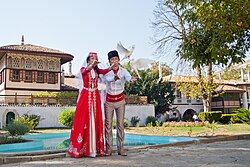
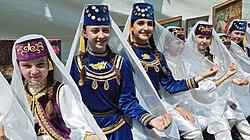
Crimean Tatar culture is a vibrant blend of traditions. Their language, Crimean Tatar, is a Turkic language currently considered to be under serious threat. Cultural expression is often seen in traditional clothing, folk dances like the Qaytarma, and festivals such as Hıdırlez.
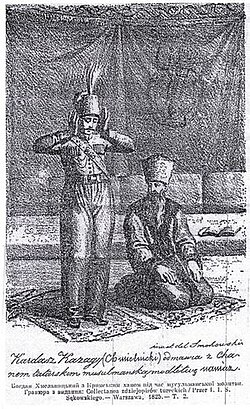
Religion plays a central role in their social fabric, with Sunni Islam providing a framework for community life and spiritual practice.
Modern Political Struggle
The 2014 annexation of Crimea by the Russian Federation brought new challenges. The Mejlis, the representative body led by Mustafa Dzhemilev and later Refat Chubarov, was declared an extremist organization and banned by Russian authorities in 2016.
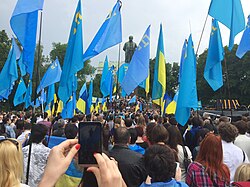
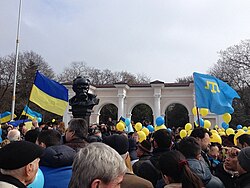
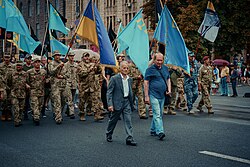
The community continues to advocate for their rights and the recognition of their indigenous status. In recent years, the conflict between Russia and Ukraine has further impacted the community, with reports of Crimean Tatars being caught in the crossfire or forced into military service.
Frequently Asked Questions
Who are the Crimean Tatars?
They are a Turkic ethnic group indigenous to the Crimean Peninsula, with a history that includes the establishment of the Crimean Khanate and a long struggle for survival against forced deportation.
What is the Mejlis?
The Mejlis is the traditional representative body of the Crimean Tatar people, serving as their political leadership and voice in matters of human rights and national identity.
What happened during the 1944 deportation?
In 1944, the Soviet government forcibly deported the entire Crimean Tatar population from Crimea to Central Asia (mainly Uzbekistan), an event known as the Sürgün, which resulted in massive loss of life and cultural disruption.
Where do most Crimean Tatars live today?
While they are indigenous to Crimea, the largest population now resides in Turkey, with significant communities also living in Ukraine and Uzbekistan.
What language do they speak?
Their native language is Crimean Tatar, though many are multilingual, speaking Russian, Ukrainian, or Turkish depending on their location and history.