Country Music: The Evolution of an American Musical Legacy
Country music is more than just a genre; it is a sonic tapestry woven from the diverse cultural threads of the United States. Emerging in the 1920s, this music reflects the lived experiences of the working class, blending traditional folk sounds with the evolving rhythms of modern life. From the rugged hills of Appalachia to the neon lights of Nashville, country music has transformed from a regional tradition into a global phenomenon.
Key Facts
- Origins: Emerged in the 1920s in the United States, rooted in American folk, Western, Appalachian, Cajun, Creole, and blues traditions.
- Core Instruments: Primarily features acoustic and electric guitars, pedal steel, banjo, fiddle, and mandolin.
- Global Reach: While centered in the US, it has significant regional scenes in Canada, Australia, Mexico, Ireland, Nigeria, and the Philippines.
- Evolution: Has progressed through six distinct generations, evolving from old-time music to modern hybrids like bro-country and country rap.
The Foundations and Stylistic Origins
The roots of country music are deeply embedded in the cultural melting pot of the early 20th century. It drew heavily from Appalachian folk and Southern gospel, while incorporating influences from Cajun and Creole music, as well as the blues. Interestingly, even Hawaiian music played a role in shaping the early sounds of the genre.
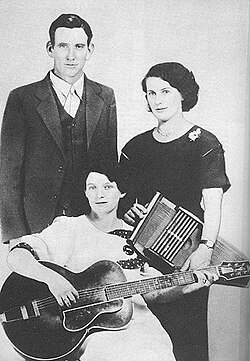
East Tennessee served as a critical hub for the development of these sounds, providing a fertile ground for the first generation of artists to blend traditional old-time music with commercial recording possibilities.
The Evolution Through Generations
The history of country music is often categorized into generations, each reflecting the social and technological shifts of its era.
First and Second Generations (1920s–1940s)
The first generation established the commercial viability of the genre in the 1920s. By the 1930s and 40s, the second generation expanded the sound, introducing the singing cowboy archetype and the influence of Western swing.
Third and Fourth Generations (1950s–1980s)
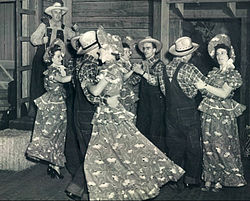
The mid-century era saw the rise of honky-tonk—music designed for loud, rowdy bars—and the emergence of legendary figures who defined the "classic country" sound. By the 1970s and 80s, the fourth generation introduced outlaw country, a rebellious movement that pushed back against the polished production of the Nashville establishment.


Fifth and Sixth Generations (1990s–Present)
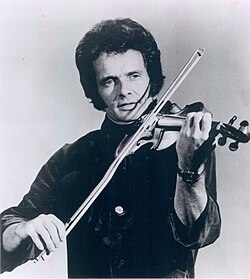
From the 1990s onward, country music became increasingly polished and pop-oriented. The current sixth generation (2010s to present) is characterized by high-production values and fusion genres, including bro-country and country rap, making the music a hybrid of nearly every form of American popular music.




Genres, Subgenres, and Fusions
As the music evolved, it branched into numerous specialized styles. Bluegrass and Americana focus on acoustic roots, while Western swing blends country with jazz elements. Other notable subgenres include Christian country, neo-traditional, and progressive country.
The genre has also proven highly adaptable, resulting in fusion styles such as:
- Country Rock: A blend of country twang and rock energy.
- Rockabilly: A high-energy mix of rock and roll and country.
- Country Pop: Polished tracks designed for mainstream radio.
- Cowpunk: A fusion of punk rock and country.
Global Influence and Regional Scenes
While Nashville remains the industry's heart, country music has found a home worldwide. In Canada and Australia, it has integrated with local folk traditions. In Mexico, it intersects with Tejano music. Unexpectedly, the genre has also gained popularity in Nigeria and the Philippines.



Culture and Modern Identity
Country music is often tied to a specific identity, frequently associated with rural life, patriotism, and conservative values. However, the modern era is seeing a shift. Artists are increasingly breaking barriers regarding race and gender, challenging the traditional perception of the genre as a predominantly white space.


| Category | Details |
|---|---|
| Primary Instruments | Acoustic/Electric Guitar, Pedal Steel, Banjo, Fiddle, Mandolin, Harmonica |
| Key Hubs | Nashville, Atlanta, Bakersfield, Texas |
| Major Subgenres | Honky-tonk, Outlaw, Bluegrass, Western Swing, Neo-traditional |
| Fusion Styles | Country Pop, Country Rap, Rockabilly, Southern Rock |
Frequently Asked Questions
What are the primary instruments used in country music?
The most common instruments include the acoustic and electric guitar, pedal steel guitar, lap steel guitar, bass guitar, upright bass, banjo, mandolin, fiddle, harmonica, and piano.
Where did country music originate?
Country music emerged in the 1920s in the United States, drawing from a mix of American folk, Western, Appalachian, Cajun, Creole, and blues influences.
What is the difference between Bluegrass and Country?
While related, Bluegrass is a derivative form that typically emphasizes acoustic instruments and high-speed picking, whereas country music is a broader umbrella that includes electric instruments and various pop and rock fusions.
Is country music popular outside of the United States?
Yes, it has significant international reception and regional scenes in countries such as Canada, Australia, Mexico, Ireland, Nigeria, and the Philippines.
What is "Bro-Country"?
Bro-country is a modern fusion genre characterized by a blend of country music with elements of hip-hop and pop, often featuring themes of partying and rural leisure.