Tennessee: The Heart of the Volunteer State
Known as the Volunteer State, Tennessee is a land of diverse landscapes, from the mist-covered peaks of the Appalachian Mountains to the fertile plains of the Mississippi Delta. Admitted to the Union on June 1, 1796, as the 16th state, Tennessee has evolved from a frontier territory into a modern hub of music, automotive manufacturing, and scientific research.
With its capital and largest city, Nashville, serving as a global center for music and government, the state balances a deep respect for its agrarian roots with a forward-looking economy. Whether it is the bustling cargo hubs of Memphis or the serene vistas of the Great Smoky Mountains, Tennessee offers a unique blend of Southern heritage and industrial innovation.
Key Facts

- Official Nickname: The Volunteer State
- Capital: Nashville
- Population: Approximately 7,315,076 (2025 est.)
- Land Area: 41,274 square miles
- Highest Point: Kuwohi (formerly Clingmans Dome) at 6,644 feet
- State Motto: Agriculture and Commerce
Historical Evolution

From Frontier to Statehood
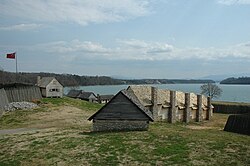
Before becoming a state, the region was part of the Southwest Territory. Early European exploration and colonization led to the establishment of settlements like Fort Loudoun, the first British settlement in the region.
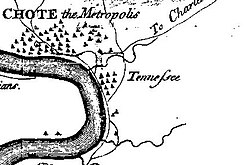
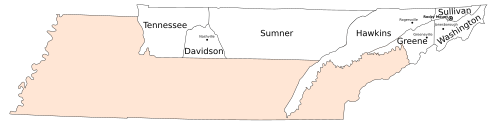
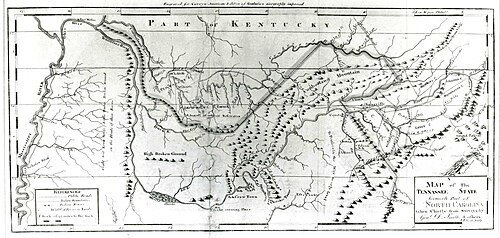
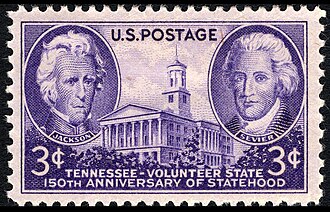
By 1796, Tennessee officially joined the Union. Early maps, such as those by surveyor Daniel Smith, helped define the boundaries of the emerging state.
Conflict and Reconstruction
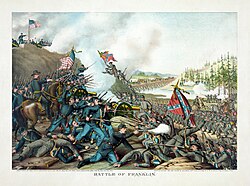
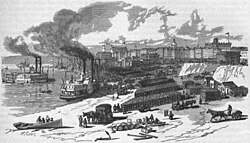
Tennessee played a pivotal role during the American Civil War, experiencing intense conflict on its own soil, exemplified by the Battle of Franklin in 1864. Following the war, the state entered a period of reconstruction and rapid economic shifts, particularly in West Tennessee, where Memphis emerged as the "Cotton Capital of the World."
The Modern Era
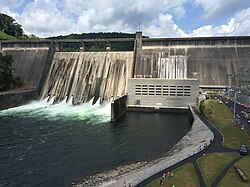
The mid-20th century brought transformative changes through the Tennessee Valley Authority (TVA), a federally owned corporation created to provide navigation, flood control, and electricity generation to the Tennessee Valley. This era also saw the state's involvement in the Manhattan Project at Oak Ridge, where critical work was done to develop atomic weapons.


Geography and Natural Wonders

Topography and Hydrology
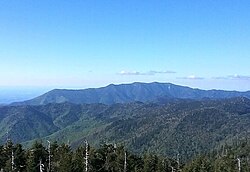
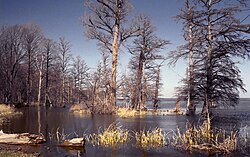
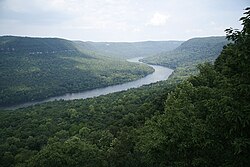
Tennessee's terrain is varied, featuring the Cumberland Plateau and the Great Smoky Mountains. The state is defined by its water systems, most notably the Tennessee River and the Mississippi River, which forms the western border.
Ecology and Climate
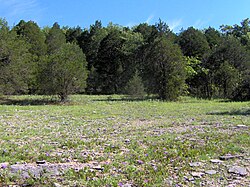
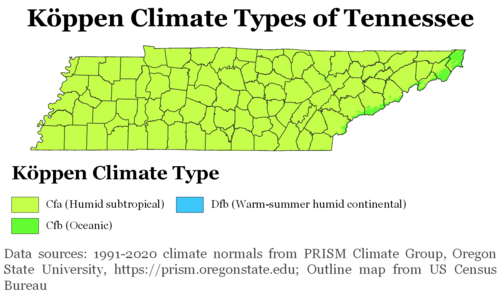
The state hosts unique ecosystems, such as cedar glades—areas where limestone bedrock is close to the surface, creating a specialized habitat for native flora. The climate varies by region, generally falling under the Köppen climate classification system, with warmer temperatures in the west and cooler, wetter conditions in the eastern mountains.
Demographics and Society
Tennessee's population has grown steadily from roughly 35,000 in 1790 to over 7.3 million today. The state is characterized by a diverse racial and ethnic composition, with significant Non-Hispanic White and African American populations, and a growing Hispanic and Latino community.
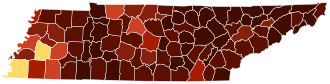
![Largest alone or in any combination ethnic origin by county in Tennessee, per the 2020 census[281]](/images/7f/59/7f59eca94b814d7fe0c1c800edd3f0f19d5b1c245de3f4be0741fd780a387ba7.jpg)
Socioeconomic Indicators
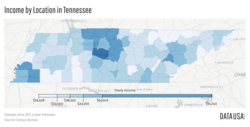
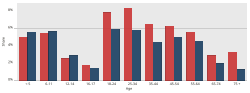
Economic prosperity varies across the state's counties, with median household incomes reflecting regional industrial differences. While some areas face higher poverty rates, others are driven by high-tech growth and urban expansion.
Economy and Infrastructure

Industry and Innovation
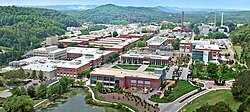
Tennessee is a powerhouse in automotive manufacturing, home to the Nissan Smyrna Assembly Plant, the largest of its kind in North America. Additionally, the state is a leader in nuclear research through the Oak Ridge National Laboratory, the largest national laboratory in the U.S. Department of Energy system.

Tourism and Culture
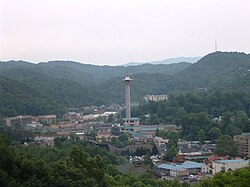
Tourism is a major economic driver, particularly in Gatlinburg, which borders the Great Smoky Mountains National Park—the most visited national park in the U.S. Nashville is world-renowned for the Grand Ole Opry, the longest-running radio broadcast in U.S. history.

Transportation Hubs
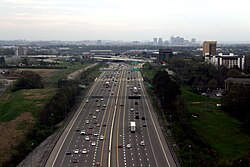
The state's infrastructure is anchored by Interstate 40, which connects its three largest cities. Memphis International Airport serves as the global hub for FedEx Corporation and is frequently ranked as the world's busiest cargo airport.

Government and Politics
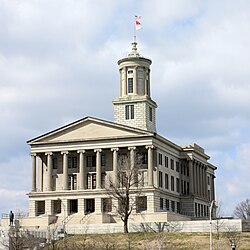
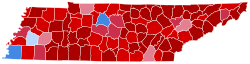
The state government operates out of the Tennessee State Capitol in Nashville, one of the oldest continuously used statehouses in the country. Tennessee has produced influential national figures, including U.S. Senators Howard Baker and Al Gore.



State Summary Table
| Category | Detail |
|---|---|
| Admitted to Union | June 1, 1796 |
| Capital | Nashville |
| Total Area | 42,181 sq mi |
| Population (2025 est.) | 7,315,076 |
| Highest Elevation | 6,644 ft (Kuwohi) |
| Major Industries | Automotive, Nuclear Research, Music, Agriculture |
Frequently Asked Questions
Why is Tennessee called the Volunteer State?
The nickname refers to the state's historical significance and the willingness of its citizens to volunteer for military service throughout U.S. history.
What is the most visited national park in the United States?
The Great Smoky Mountains National Park, located in eastern Tennessee and western North Carolina, is the most visited national park in the country.
Which city in Tennessee is the largest?
Nashville is the capital and the largest city in Tennessee, having overtaken Memphis in population.
What is the significance of Oak Ridge, Tennessee?
Oak Ridge was a secret city during the Manhattan Project and currently houses the Oak Ridge National Laboratory, the largest national laboratory in the Department of Energy system.
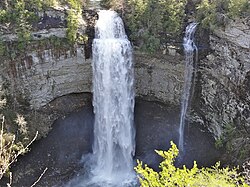
What is the tallest waterfall in the eastern United States?
Fall Creek Falls, located on the Cumberland Plateau, is the tallest waterfall in the eastern United States.