Nashville: The Vibrant Heart of Music City
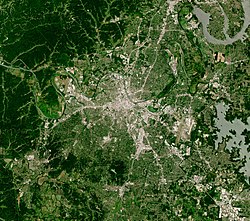
Known globally as Music City and the Country Music Capital, Nashville is the seat of government for the state of Tennessee. As a consolidated city-county government (the Metropolitan Government of Nashville and Davidson County), it blends the administrative power of a state capital with the cultural energy of a world-class entertainment hub. From its roots in 1779 to its current status as a booming metropolitan center, Nashville has evolved into a diverse city celebrated for its music, architecture, and Southern hospitality.
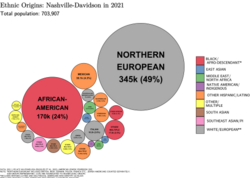
Whether referred to as Nashvegas, Smashville, or the Athens of the South, the city offers a unique blend of historical depth and modern growth, making it a primary destination for tourists and a thriving home for nearly 700,000 residents.
Key Facts
- Founded: 1779; incorporated in 1806.
- Population: 689,447 (2020 Census), with a 2025 estimate of 721,074.
- Economic Power: Total GDP of $116.879 billion (2024).
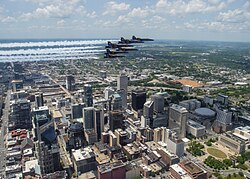
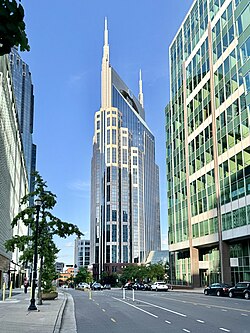
- Tallest Structure: 333 Commerce is the tallest building in Tennessee.
- Global Status: 1st largest city in Tennessee and 20th in the United States.
- Government: Led by Mayor Freddie O'Connell.
Geography and Climate
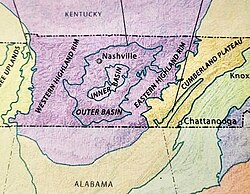
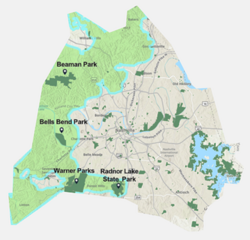
Nashville is situated in the heart of Tennessee, characterized by a varied topography that includes the Highland Rim Forest. The city's landscape is a mix of urban development and lush natural spaces, providing a scenic backdrop for its many neighborhoods.
The climate is typical of the region, featuring four distinct seasons. Summers are generally hot and humid, with average maximum temperatures in July reaching 97.1°F. Winters are cool to cold, with January seeing mean daily minimums around 30.1°F. Precipitation is distributed throughout the year, with May typically being the wettest month, averaging 5.02 inches of rain.
History and Evolution
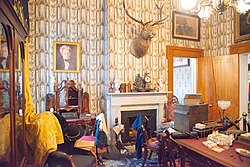
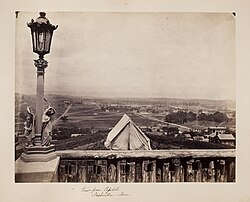
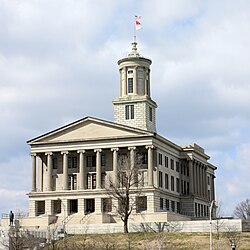
Founded in the late 18th century and named after either Francis or Abner Nash, Nashville has played a pivotal role in American history. During the American Civil War, the city was a strategic point; for instance, the Belmont Mansion was occupied by Union troops in December 1864.

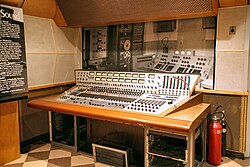
As the 20th century progressed, Nashville transitioned from a regional trade center to a global music powerhouse. The development of the "Nashville sound" at RCA Studio B cemented the city's reputation as the epicenter of country music recording.
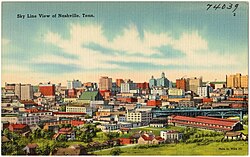
Culture, Arts, and Entertainment
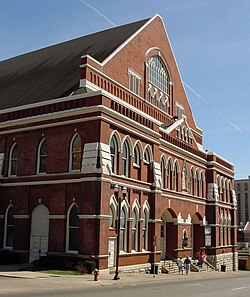
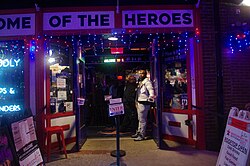
Nashville's identity is inextricably linked to music. The Ryman Auditorium, known as the "Mother Church of Country Music," and the Grand Ole Opry are legendary venues that draw millions of visitors. The nightlife district of Broadway is famous for its "honky-tonks"—small, lively bars featuring live music.
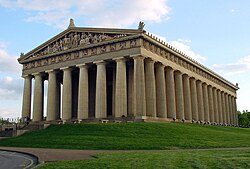
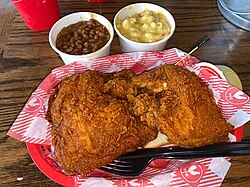
Beyond music, the city embraces its "Athens of the South" moniker through the Parthenon in Centennial Park, a full-scale reconstruction of the original Greek temple. The city also boasts a rich culinary scene, most notably its famous hot chicken, exemplified by local favorites like Hattie B's.
Economy and Education
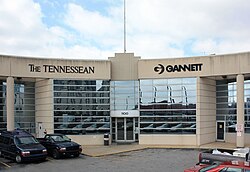
Nashville's economy is diverse, driven by healthcare, government, and education. The Vanderbilt University Medical Center is the city's largest employer, followed closely by the State of Tennessee. The city also hosts major corporate presences, including HCA Healthcare and Amazon.
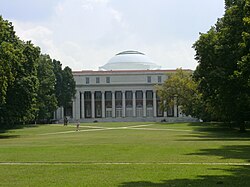
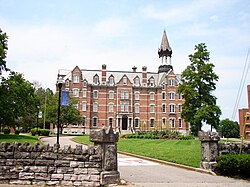
Education is a cornerstone of the community, with prestigious institutions such as Vanderbilt University and Fisk University contributing to the city's intellectual and cultural growth.
Sports and Recreation
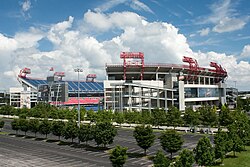
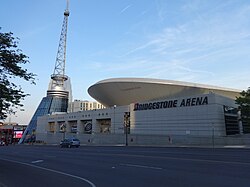
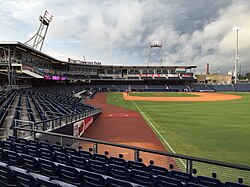
The city is a passionate sports town with several professional venues: Nissan Stadium (Tennessee Titans), Bridgestone Arena (Nashville Predators), Geodis Park (Nashville SC), and First Horizon Park (Nashville Sounds).

Infrastructure and Transportation
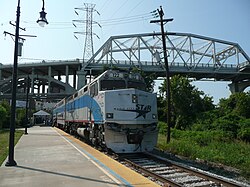
Nashville is well-connected via a network of highways and bridges. The John Seigenthaler Pedestrian Bridge (formerly the Shelby Street Bridge) is one of the most iconic landmarks, offering stunning views of the skyline. For air travel, the Nashville International Airport serves as the primary gateway to the region.

Major Bridges in Nashville
| Official Name | Other Names | Length | Date Opened |
|---|---|---|---|
| John Seigenthaler Pedestrian Bridge | Shelby Street Bridge | 3,150 ft | July 5, 1909 |
| Korean War Veterans Memorial Bridge | Gateway Bridge | 1,660 ft | May 19, 2004 |
| Kelly Miller Smith Memorial Bridge | Jefferson Street Bridge | 1,835 ft | March 2, 1994 |
| William Goodwin Bridge | Hobson Pike Bridge | 2,215 ft | N/A |
Frequently Asked Questions
What are the most common nicknames for Nashville?
Nashville is most commonly known as Music City and the Country Music Capital. Other popular nicknames include Nashvegas, Smashville, Cashville, and the Athens of the South.
Who are the largest employers in the city?
The top employers include the Vanderbilt University Medical Center, the State of Tennessee, the U.S. federal government, and HCA Healthcare.
What is the significance of the Parthenon in Nashville?
The Parthenon, located in Centennial Park, is a full-scale reconstruction of the original Greek Parthenon, reflecting the city's nickname, the "Athens of the South."
What is the weather like in Nashville?
Nashville has a temperate climate with hot, humid summers (averaging 97.1°F in July) and cool to cold winters (averaging 30.1°F in January), with rainfall spread throughout the year.
Which professional sports teams call Nashville home?
Nashville is home to the Tennessee Titans (NFL), the Nashville Predators (NHL), and Nashville SC (MLS).