Corruption: Mechanisms, Causes, and Global Impact
Corruption is a form of dishonesty or criminal activity committed by an individual or organization entrusted with authority. It occurs when those in power abuse their position to acquire illicit benefits or personal gain. While often associated with illegal acts, corruption can encompass a wide spectrum of behaviors, ranging from blatant bribery to practices that are legally permitted in certain jurisdictions, such as lobbying.
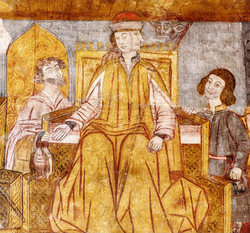
Historically, the term had a broader moral connotation. For instance, the ancient Greek philosopher Socrates was condemned to death partly on the grounds of "corrupting the young," reflecting a concern for societal well-being and morals rather than just financial crime.
The Modern Landscape of Corruption
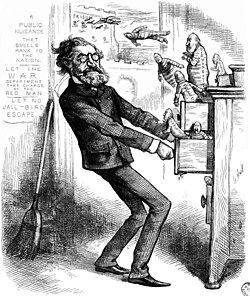
In contemporary discourse, corruption is frequently linked to specific political structures such as kleptocracies (governments characterized by leaders who use power to steal their nation's resources), oligarchies, narco-states, and authoritarian regimes. However, research indicates that corruption is not exclusive to these systems and persists within wealthy capitalist economies.
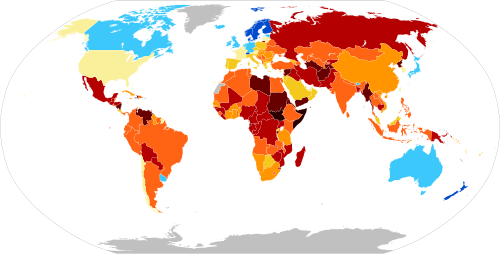
For example, David Whyte's work, How Corrupt is Britain, suggests that corruption exists across various venerated institutions in the UK, despite the country often ranking as one of the least corrupt globally. This highlights a tension in how corruption is measured. Critics like George Monbiot argue that the Corruption Perceptions Index (CPI)—a tool used to rank countries based on perceived transparency—may be too narrow because it focuses primarily on bribery of executives.
Furthermore, USAID Administrator Samantha Power has noted that modern corruption has evolved beyond individual autocrats pilfering wealth; it now involves sophisticated transnational networks and secretive financial institutions. This suggests a divide between the "corruption of the poor," which is often illegal and visible, and the "corruption of the rich," which is frequently institutionalized and legalized.
Key Facts
- Definition: The abuse of entrusted power for private gain.
- Common Forms: Includes bribery, embezzlement, fraud, and influence peddling.
- Scope: Occurs in both authoritarian states and wealthy capitalist democracies.
- Measurement: The Corruption Perceptions Index (CPI) is a primary tool for ranking global transparency.
- Legal Nuance: Some forms of corruption, such as certain types of lobbying, are legal in various countries.
Types and Scales of Corruption
Corruption manifests at different levels of society, from small-scale daily interactions to the highest levels of government.
Petty vs. Grand Corruption
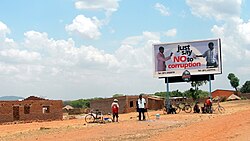
Petty corruption involves the abuse of power by low-level public officials in their interactions with ordinary citizens, often involving "speed money" to accelerate a service. In contrast, grand corruption occurs at the highest levels of government, involving the distortion of policies or the central functioning of the state.
Systemic Corruption and State Capture
When corruption becomes an integral part of the political or economic system, it is termed systemic corruption. A more extreme version is state capture, where private interests significantly influence a state's decision-making processes to their own advantage through illicit means.
Causes and Drivers
A 2017 survey identified several systemic factors that contribute to the prevalence of corruption:
- Political and Market Factors: High levels of monopolization, low levels of democracy, and weak political transparency.
- Administrative Failures: Inefficient bureaucracy and a lack of proper anti-corruption policies.
- Social and Economic Pressures: Poverty, unemployment, gender inequality, and low levels of education.
- Institutional Weaknesses: Low press freedom, weak property rights, and political instability.
- Societal Issues: Large ethnic divisions, high in-group favoritism, and a lack of commitment to the broader society.
Corruption Across Sectors
Corruption can infiltrate almost every sector of human organization:
The Public Sector
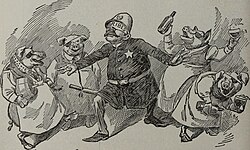
This includes political corruption (office-holders acting for personal gain), judicial corruption, military misconduct, and police corruption, where officers may accept bribes to overlook crimes.
The Private Sector
Corporate corruption can involve stock market manipulation, arms trafficking, and fraud. It also extends to healthcare, education, and labor unions.

Common Methods of Corruption
| Method | Description |
|---|---|
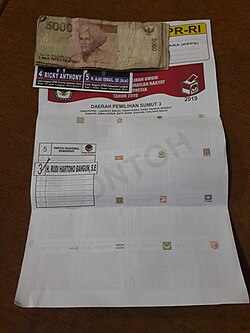
| Bribery | Offering or receiving money or gifts to influence an official action. |
| Embezzlement | The theft or misappropriation of funds placed in one's trust. |
| Influence Peddling | Using one's position or connections to obtain favors for another in exchange for payment. |
| Nepotism/Favoritism | Granting jobs or advantages to family members or friends regardless of merit. |
| Extortion | Obtaining benefit through coercion or threats. |
Notable Examples and Cases
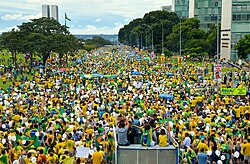
Corruption often surfaces in high-profile scandals. Examples include the Siemens corruption case and the Kaunas "Golden Toilet" incident. In Brazil, protests in 2015–2016 were triggered by revelations of bribes linked to the state-owned energy company Petrobras.

More recently, in September 2025, Unification Church leader Hak Ja Han was arrested in South Korea amid allegations of bribery and illegal political funding.

Frequently Asked Questions
What is the difference between bribery and influence peddling?
Bribery is a direct exchange of value for a specific official act. Influence peddling involves using one's relationship with a decision-maker to obtain a favorable outcome for a third party, often for a fee.
Can corruption be legal?
Yes, some critics refer to "legal corruption," where activities like lobbying or certain campaign contributions are permitted by law but are perceived as unethical or as a means for the wealthy to buy political influence.
How is corruption measured globally?
The most prominent tool is the Corruption Perceptions Index (CPI) by Transparency International, which scores countries based on perceived levels of public sector corruption.
What is a kleptocracy?
A kleptocracy is a government whose leaders use their power to systematically steal their country's resources and wealth for personal gain.
What are the primary causes of systemic corruption?
Systemic corruption is typically driven by a combination of weak democratic institutions, low transparency, high bureaucracy, and economic instability or poverty.