Córdoba Province: Argentina's Industrial and Cultural Heartland
Located just north of Argentina's geographical center, Córdoba is a region of striking contrasts, where vast fertile plains meet rugged mountain ranges. As the second-most populous province in the country, it serves as a critical hub for education, industry, and tourism. With a population of nearly 4 million people, the province balances a sophisticated urban center in its capital with a rich agricultural hinterland and breathtaking natural landscapes.
The province is characterized by its strategic location and a history of intellectual leadership, housing Argentina's first university and a legacy of industrial innovation that has earned it the nickname of the nation's "motor province."
Key Facts
- Population: 3,978,984 (2022 Census), ranking 2nd in Argentina.
- Land Area: 165,321 km², the 5th largest province.
- Economy: Second-largest provincial economy in Argentina, driven by automotive manufacturing and agriculture.
- Human Development: Very high HDI of 0.841 (2021).
- Geography: Home to the Sierras de Córdoba and the massive Mar Chiquita salt lake.
History and Cultural Evolution
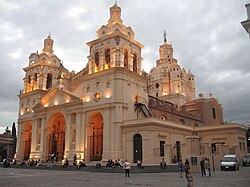
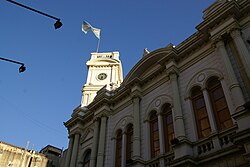
The city of Córdoba was founded on July 6, 1573, by Jerónimo Luis de Cabrera. From its inception, the city was destined to be a center of learning. The Jesuits founded the Colegio Convictorio de Nuestra Señora de Monserrat in 1599, followed by the National University of Córdoba in 1613, the first university in Argentina. This academic foundation established the province as a cultural beacon, further bolstered by the installation of a printing press in 1761.
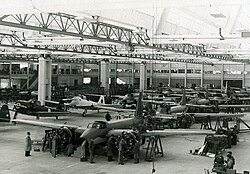
Politically, Córdoba has often been a focal point of national tension. In the early 19th century, it struggled for control against the centralized government of Buenos Aires, advocating for a federal organization of provinces. The 20th century saw a shift toward industrialization, particularly after World War II, when the automotive industry expanded rapidly under President Arturo Frondizi.
The province is also known for its political activism. In May 1969, a massive popular revolt known as the Cordobazo saw workers and students rise against the military dictatorship of Juan Carlos Onganía, a pivotal event that eventually led to the dictator's ouster.
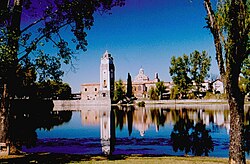
Geography and Climate
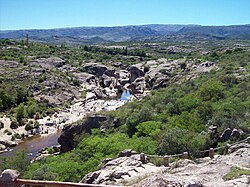
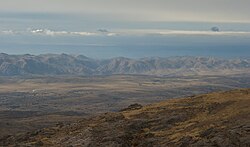
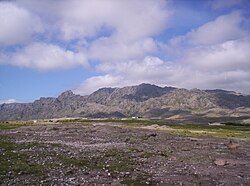
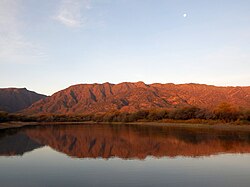
The landscape of Córdoba is divided between an extensive eastern plain and the Sierras de Córdoba, a series of three major mountain ranges. The easternmost range reaches altitudes of up to 1,950 meters at Cerro Uritorco. Between these ranges lie the scenic Punilla and Calamuchita valleys, which are primary tourist destinations.
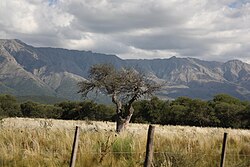
The highest point in the province is Cerro Champaqui, standing at 2,790 meters. This peak is part of the Pampa de Achala, a high-altitude plateau between 2,000 and 2,300 meters. To the west lies the Valle de Traslasierra, and in the northeast, the Mar Chiquita Lake, an extensive salt lake covering up to 6,000 km² depending on the dry season.
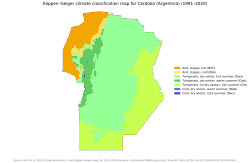
Regional Climate Variations
The climate is predominantly temperate, but varies by zone:
- Eastern Plains: Hot, humid summers and dry winters. This region is a powerhouse for soybean, peanut, and maize production.
- The Sierras: Generally more pleasant weather with higher precipitation, often falling as heavy summer thunderstorms.
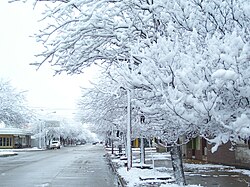
- Pampa de Achala: High-altitude climate with extreme temperature swings, frequent frost, and common snowfall.
- Traslasierra: A warmer, Mediterranean-style climate ideal for olives, figs, and grapes.
Economy and Industry
Córdoba possesses the second-largest economy in Argentina. Its economic strength is diversified across three primary sectors: industry, agriculture, and tourism.
The "Motor Province"
Industry accounts for 17% of the province's income. Córdoba is the heart of Argentina's automotive sector, with major plants for Renault, FIAT, and Volkswagen. The province hosts approximately 250 manufacturers of motor vehicles or auto parts. This industrial base is supported by a skilled workforce and a robust energy grid consisting of 15 hydroelectric dams and the Embalse nuclear power plant.
Agriculture and Livestock
Agriculture and livestock contribute 10% of the output. The province is a national leader in dairy, providing 28% of Argentina's total output, and contributes 15% of the nation's beef. The eastern plains are particularly vital for the production of soybeans and cereals.
Tourism and Hospitality
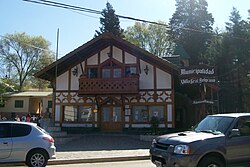
With roughly three million annual visitors, tourism is a vital economic driver. The province offers 500,000 hotel beds and is famous for the Cosquín National Folk Music Festival and the Jesús María Folk and Taming Festivals. Popular destinations include Villa Carlos Paz and the German-influenced Villa General Belgrano.
Demographics and Administration
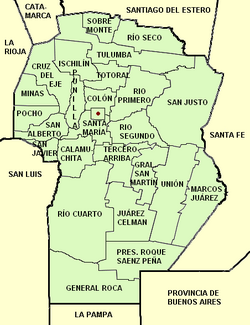
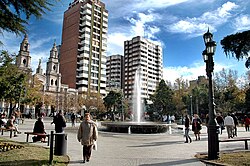
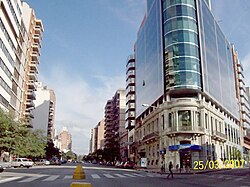
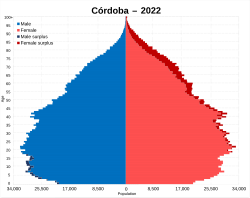
As of the 2022 census, Córdoba has 3,978,984 inhabitants. A significant portion of the population—approximately 41%—lives in the capital city of Córdoba and its surrounding metropolitan area. The province is divided into 26 departments and 427 municipalities and communes.
The provincial government is led by a Governor and a Vice Governor, with a unicameral legislature consisting of 70 members. This legislative structure was simplified in 2001, moving from a bicameral to a unicameral system.
| Category | Detail |
|---|---|
| Total Population (2022) | 3,978,984 |
| Total Area | 165,321 km² |
| GDP (2019) | 1,582 billion pesos (US$34 billion) |
| HDI (2021) | 0.841 (Very High) |
| Administrative Divisions | 26 Departments |
| Highest Peak | Cerro Champaqui (2,790m) |
Frequently Asked Questions
What is the "Cordobazo"?
The Cordobazo was a violent popular revolt in May 1969 involving workers and students. It was a reaction against the hard-line stance of the appointed governor and the military dictatorship of Juan Carlos Onganía, eventually contributing to the dictator's removal from power.
Why is Córdoba called the "motor province"?
It is called the motor province because it is Argentina's primary center for automotive manufacturing, hosting over 250 companies that produce vehicles and auto parts, including global brands like Renault, FIAT, and Volkswagen.
What are the main geographical features of the region?
The province is defined by the Sierras de Córdoba (three mountain ranges), the Pampa de Achala plateau, the fertile eastern plains, and the Mar Chiquita salt lake.
Which crops are most important to Córdoba's economy?
The eastern part of the province is the nation's main producer of soybeans and peanuts, and it is also a significant producer of maize and wheat.
What is the significance of the National University of Córdoba?
Founded in 1613, it is the first university in Argentina and has historically established the province as a major cultural and intellectual center for the country.