City Lights: Charlie Chaplin's Masterpiece of Silent Cinema
Released in 1931, City Lights stands as one of the most enduring achievements in cinematic history. Directed, written, produced, and scored by the legendary Charlie Chaplin, the film is a poignant blend of comedy and pathos. While the industry was rapidly shifting toward "talkies"—films with recorded dialogue—Chaplin made the bold decision to maintain the silent format, relying on visual storytelling and a synchronized musical score to convey emotion.
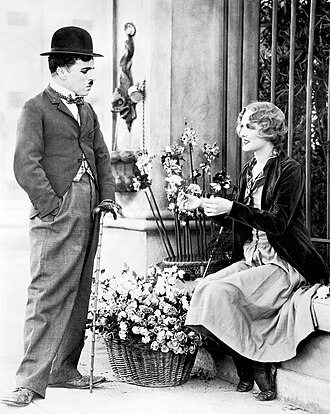
The story follows the iconic Little Tramp and his heartwarming, often chaotic attempts to help a blind flower girl. This act of creative defiance against the sound era not only preserved the art of pantomime but resulted in a film that critics today frequently cite as one of the greatest ever made.
Key Facts
- Release Date: March 7, 1931 (USA).
- Budget: $1.5 million.
- Box Office: $4.25 million in worldwide rentals.
- Runtime: 87 minutes.
- Format: Silent with synchronized sound effects and musical score.
- AFI Ranking: Ranked 11th on the American Film Institute's list of the best American films.
Production and Creative Vision
Defying the Sound Era
When Chaplin began developing the script in 1928, the premiere of The Jazz Singer (1927) had already ushered in the era of sound. Despite the trend, Chaplin resisted dialogue. Instead, he utilized synchronized sound, which refers to audio recorded or edited to match the action on screen, specifically for music and sound effects. This allowed him to maintain the universal appeal of the silent film while enhancing the atmospheric experience.
The Musical Score
City Lights marked the first time Chaplin composed the score for one of his own productions. Working with Arthur Johnston, he wrote the music in six weeks. A central element of the film is the leitmotif—a recurring musical theme associated with a particular person or idea—used for the blind flower girl. This theme was based on the song "La Violetera" ("Who'll Buy my Violets") by Spanish composer José Padilla, a choice that later led to a legal dispute over credit.
A Personal Connection
The production was deeply influenced by Chaplin's personal life. Following the death of his mother, Hannah Chaplin, in August 1928, pre-production was delayed. Some psychologists suggest the film is autobiographical, proposing that the blind girl represents his mother and the drunken millionaire reflects his father. Even the set designs, such as the waterfront and the opening statue, are believed to mirror locations from Chaplin's childhood in London.
Behind the Scenes: Filming the Masterpiece
Casting and Conflict
The filming process was rigorous and often unpredictable. During the sequence where the Tramp meets the millionaire, actor Henry Clive was fired after refusing to jump into a tank of cold water. He was replaced by Harry Myers. Other key cast members included Virginia Cherrill as the blind girl and Florence Lee as her grandmother.
The Boxing Match and Technical Scale
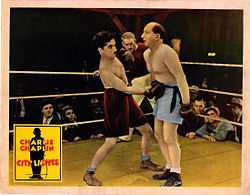
One of the film's most famous sequences, the boxing match, required extensive rehearsal and over 100 extras. Chaplin's comedic timing during the shoot was so infectious that more extras arrived daily just to watch the process. The scale of production was immense; Chaplin shot 314,256 feet of film to produce a final cut of 8,093 feet, resulting in a shooting ratio of approximately 38.8:1.
Critical Reception and Legacy
Despite Chaplin's initial nerves regarding the obsolescence of silent films, City Lights was an immediate success. It earned over $4 million in worldwide rentals and received glowing reviews. The final scene, in particular, has been hailed by critics like James Agee as one of the greatest pieces of acting ever captured on film.
Over the decades, the film's prestige has only grown. It has been preserved by the Library of Congress in the National Film Registry and has consistently ranked high in global polls by Sight and Sound, the BBC, and the American Film Institute.
| Category | Details |
|---|---|
| Director/Writer/Producer | Charlie Chaplin |
| Lead Cast | Charlie Chaplin, Virginia Cherrill, Florence Lee, Harry Myers |
| Shooting Ratio | ~38.8:1 |
| AFI Romantic Comedy Rank | #1 |
| National Film Registry | Selected in 1991 |
Frequently Asked Questions
Why is City Lights considered an "act of defiance"?
It is viewed as an act of defiance because Chaplin chose to release a silent film four years after the industry had transitioned to "talkies," proving that visual storytelling remained powerful and commercially viable.
Who composed the music for the film?
Charlie Chaplin composed the score himself in collaboration with Arthur Johnston, though the main theme for the flower girl was based on a song by José Padilla.
What was the shooting ratio of the movie?
The shooting ratio was approximately 38.8 feet of film shot for every one foot that appeared in the final version, reflecting Chaplin's meticulous and lengthy production process.
How did the film perform at the box office?
The film was a major financial success, earning $4.25 million in worldwide rentals during its initial release.
Which major organizations have recognized the film's significance?
The film has been recognized by the Library of Congress (National Film Registry), the American Film Institute (AFI), and has been featured in top lists by Sight and Sound, Time, and the BBC.