City Dynamics: The Evolution, Structure, and Global Impact of Urban Settlements
A city is more than just a collection of buildings; it is a complex human settlement of substantial size that serves as a hub for social, economic, and political activity. While the term "city" is used differently across the globe—sometimes referring to very small settlements and other times to massive metropolises—it generally describes a permanent, densely populated area with defined administrative boundaries. In these centers, the majority of residents typically engage in non-agricultural occupations, driving the engines of modern commerce and culture.
Modern cities are characterized by extensive, interconnected systems. These include housing, transportation, sanitation, utilities, land use, and communication networks. This high level of density facilitates rapid interaction between individuals, businesses, and government organizations, often increasing the efficiency of goods and service distribution.
![Palitana is a religiously significant city in Gujarat, India.[12]](/images/73/c5/73c510e7172d0381a0e8164678bfc89d4be684018af71bb802b01734edfb7653.jpg)
Key Facts
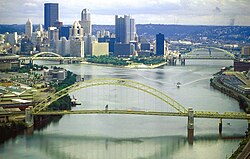
- Urban Majority: More than half of the world's population now lives in urban areas.
- Economic Shift: City dwellers primarily focus on non-agricultural tasks.
- Sustainability: Compact, high-density cities can have a smaller ecological footprint per inhabitant.
- Urban Challenges: High concentration can lead to urban heat islands and increased pollution.
- Global Connectivity: Modern cities are interconnected through a global system of finance and transnational activity.
Defining Urban Settlements
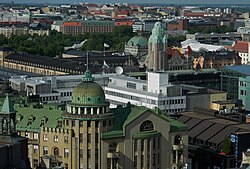
There is no single, universally agreed-upon numerical boundary that defines a city. Definitions vary significantly by jurisdiction. For example, common population thresholds for urban areas range from 1,500 to 50,000 people. In many U.S. states, a settlement is often classified as urban if it contains between 1,500 and 5,000 inhabitants.
Beyond simple population counts, cities are often viewed as the cores of larger metropolitan areas—regions consisting of a central city and its surrounding suburbs and commuter zones. In an era of intense globalization, these cities are not just regional hubs but are also deeply connected to a global network of commerce and governance.
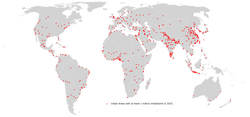
The History of Urbanization
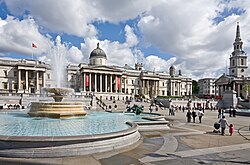
The history of human civilization is inextricably linked to the rise of cities. While city dwellers once represented a tiny fraction of humanity, the last two centuries have seen unprecedented and rapid urbanization. This shift has profound consequences for global sustainability and how human societies function.
Ancient Foundations
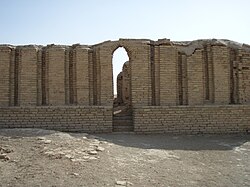
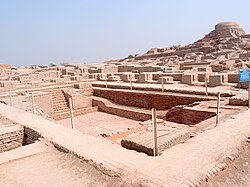
Urban life dates back millennia. Ancient civilizations established structured settlements that laid the groundwork for modern urban planning. From the Sumerian cities of Mesopotamia to the Indus Valley Civilization, early urbanites utilized organized layouts and standardized materials to support growing populations.
Evolution Through the Ages
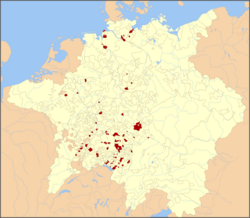
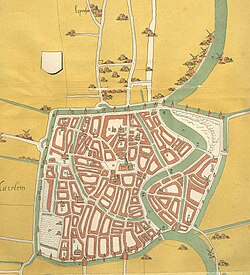
As societies progressed through the Middle Ages and the Early Modern period, cities evolved from fortified enclosures to sprawling centers of trade and industry. The Industrial Age triggered a massive migration from rural areas to urban centers, fundamentally altering the global demographic landscape. Today, we live in a post-industrial age where cities are increasingly defined by service economies, technology, and global financial flows.
Urban Planning and Infrastructure
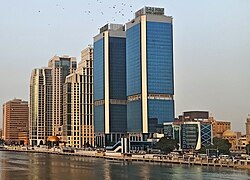
Effective urban planning is essential for managing the complexities of high-density living. Planners must balance the need for housing and transportation with the necessity of utilities, sanitation, and public spaces. A well-designed city uses its internal structure to facilitate movement and social cohesion.
Modern infrastructure must address several critical needs:
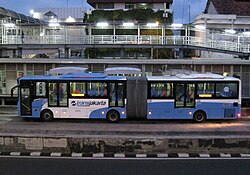
- Transportation: Efficient transit systems, such as bus rapid transit or rail, reduce congestion and emissions.
- Utilities: Reliable access to water, electricity, and waste management.
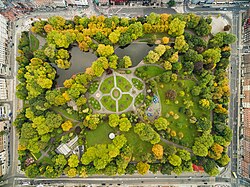
- Public Space: Parks and squares that provide relief from density and foster community.
- Housing: Providing diverse and accessible living arrangements for varying socioeconomic groups.

Cities and the Global Environment
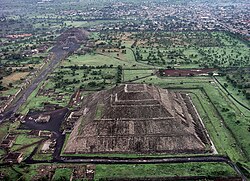
Cities play a dual role in the fight against climate change. On one hand, dense, compact cities are more efficient; they require less land and can provide more effective public transportation, potentially resulting in a smaller ecological footprint per person. On the other hand, the concentration of heat, people, and industry creates unique environmental challenges.
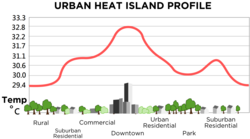
One significant phenomenon is the urban heat island effect, where urban areas experience much higher temperatures than their surrounding rural counterparts due to human activity and heat-retaining surfaces. Additionally, cities must manage concentrated pollution and the stress placed on local water supplies and other natural resources.
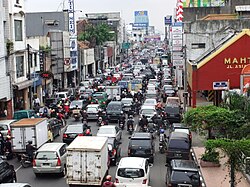
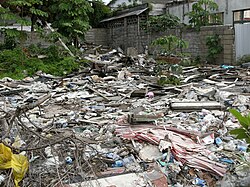
![Jakarta was listed as the most vulnerable city to climate change in a 2021 Verisk Maplecroft study.[196]](/images/60/76/6076016fe74f9669bbbdedf40655a731a3dd4f5776111904a8757b5ca17fde09.jpg)
The Global City System

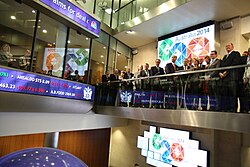
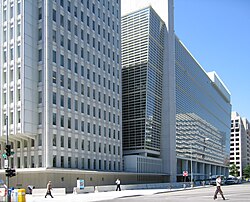
In the modern era, certain cities function as nodes in a world city system. These "global cities" are characterized by high levels of transnational activity, serving as command centers for the global economy. They host major stock exchanges, international organizations, and the headquarters of multinational corporations.
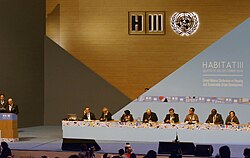
This interconnectedness means that decisions made within a major city can have ripple effects across the globe, influencing international health, finance, and sustainable development goals. Consequently, the international community, through frameworks like the United Nations' Sustainable Development Goal 11, has prioritized investment in making cities inclusive, safe, resilient, and sustainable.
| Feature | Dense/Compact City | Sprawling/Sparse Area |
|---|---|---|
| Land Consumption | Lower | Higher |
| Transport Efficiency | Higher (Public Transit focus) | Lower (Car dependency) |
| Ecological Footprint | Potentially smaller per capita | Potentially larger per capita |
| Environmental Risks | Heat islands, concentrated pollution | Habitat fragmentation |
Frequently Asked Questions
![Graph showing urbanization from 1950 projected to 2050[104]](/images/44/48/4448d48339ef44cfda31b8ada6dbf9ce67706bb5a19d71244d356fa5e6307582.png)
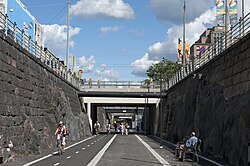
![La Plata in Argentina is based on a perfect square with 5196-meter sides, and was designed in the 1880s as the new capital of Buenos Aires Province.[148]](/images/f0/90/f090e37455894d55105f9e4ea055069ba85eebfc3b28f04b4fae7bd72aef265c.jpg)
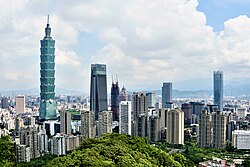
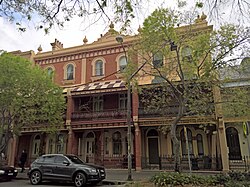
![Paris is one of the best-known cities in the world.[164]](/images/46/3c/463ccd74b075696ba05b94d91febdf40a7571dbdff88794a29e15eb34ed61733.jpg)

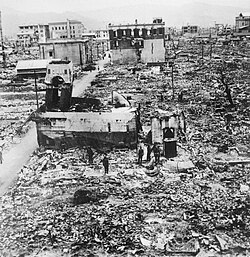
![Hamburg, Germany, is a large city that has experienced multiple droughts throughout the years, which has led to decreased economic productivity.[206]](/images/36/67/36670b3d83a4dbd9f876bfeaca04e3c63fcc6625187153c65eea92d9a59df3ef.jpg)

What is the main difference between a city and a rural area?
The primary differences lie in population density and economic activity. Cities are densely populated areas where most residents work in non-agricultural sectors, whereas rural areas are more sparsely populated and often rely on agriculture or natural resource extraction.
How do cities contribute to climate change?
Cities contribute through concentrated energy consumption, transportation emissions, and the creation of urban heat islands. However, they are also seen as a solution because their density allows for more efficient resource use and lower per-capita carbon footprints compared to sprawling developments.
What is an urban heat island?
An urban heat island is a metropolitan area that is significantly warmer than its surrounding rural areas. This is caused by human activities, the concentration of buildings and roads that absorb and re-emit the sun's heat, and a lack of vegetation.
Why is urbanization increasing so rapidly?
Rapid urbanization is driven by various factors, including economic opportunities in cities, better access to education and healthcare, and the centralization of services and infrastructure that make urban living more attractive than rural alternatives.
What are "global cities"?
Global cities are major urban centers that act as primary nodes in the global economic network. They are characterized by significant influence over international finance, politics, and culture, often hosting major stock exchanges and international organizations.