Citizenship: Evolution, Legal Frameworks, and Global Perspectives
Citizenship is defined as membership in a political community and an expression of allegiance to a sovereign state. While often used interchangeably with nationality in everyday English, international law distinguishes between the two. Nationality typically refers to the international legal dimension within an interstate system, whereas citizenship is largely confined to the national dimension of state membership.
Generally, citizenship does not expire and grants individuals the right to reside, work, and vote within their polity. It often provides a legal identity and the ability to acquire a passport. However, the history of citizenship is marked by struggle; discriminatory laws, such as apartheid or disfranchisement, have historically created "second-class citizens" who possess the status of citizenship but are denied its full benefits.

Key Facts
- Conceptual Difference: Citizenship is a national legal status, while nationality is an international legal dimension.
- Core Rights: Typically includes the right to vote, reside, and work within a sovereign state.
- Historical Shift: Populations transitioned from being "subjects" of a crown or ruler to "citizens" with inherent rights.
- Exclusions: Historically based on race, gender, and status; modern exclusions are rarer but still exist in some regions.
- Supranationalism: Entities like the European Union have created layers of citizenship that exist above the national level.
The Evolution of Citizenship
Ancient Origins and the Polis
The modern concept of citizenship originated in the ancient city-states, particularly in Greece. In these early republics, citizenship was a privileged status reserved for the male public, creating a distinct social class. Historian Geoffrey Hosking suggests that the Greek sense of citizenship was centrally motivated by a fear of enslavement, driving the desire for protected legal status.

From Subjects to Citizens
Throughout the Middle Ages and the Renaissance, most people were considered subjects rather than citizens. Citizenship was often a specific right tied to urban populations, giving rise to the civitas and the social class of the burgher or bourgeoisie. Over time, states expanded this status to encompass the majority of their national populations, though the specific rights granted vary significantly between different states.

Citizenship in the United States
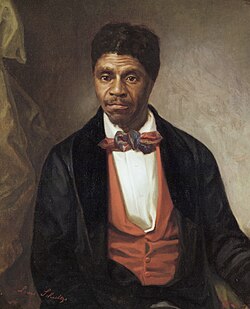
The trajectory of citizenship in the U.S. has been defined by the gradual removal of racial and gender barriers. Following the American Civil War, the 14th Amendment (ratified July 9, 1868) established that all persons born or naturalized in the U.S. and subject to its jurisdiction are citizens. This was further expanded by the Naturalization Act of 1870, which extended naturalization rights to people of African descent.
Despite these milestones, other groups faced systemic exclusion. The Chinese Exclusion Act of 1882 explicitly denied naturalization to people of Chinese origin. Later Supreme Court rulings, such as Ozawa v. the United States (1922) and U.S. v. Bhagat Singh Thind (1923), ruled that non-European people were not "free white persons" and were thus ineligible for naturalization. Native Americans were not granted full citizenship until the Indian Citizenship Act of 1924, though some states, including New Mexico, did not fully enfranchise them until 1962.
The Immigration and Nationality Act of 1952 finally abolished racial and gender restrictions for naturalization, although it maintained a national quota system. This system was drastically altered in 1965 to be less discriminatory.
Global and Supranational Models
The Soviet Model
The 1918 constitution of revolutionary Russia took a class-based approach, granting citizenship to foreigners living within the Russian Soviet Federative Socialist Republic if they belonged to the working class. It emphasized equal rights regardless of race or national connection and granted voting rights to both men and women over the age of 18.
The European Union (EU)
The EU represents a supranational form of citizenship. Under the amended EC Treaty, EU citizens are guaranteed non-discrimination (Article 12) and limited rights to free movement and residence within Member States (Article 18), alongside specific political rights.
The Commonwealth and Ireland
The British Commonwealth has seen a shift from allegiance-based nationality to distinct national citizenships. Canada departed from the principle of allegiance in 1921 and later established the Canadian Citizenship Act of 1946. The Irish Free State introduced its own citizenship in 1935; notably, Irish citizens are still not regarded as foreign despite Ireland not being a member of the Commonwealth.

Summary of Citizenship Frameworks
| Feature | Citizenship | Nationality |
|---|---|---|
| Primary Scope | National/Internal political community | International/Interstate system |
| Key Rights | Voting, residing, working, political participation | Legal identity, diplomatic protection |
| Legal Basis | Domestic law and constitutions | International law and treaties |
| Nature of Bond | Political membership and allegiance | Ethnic, cultural, or legal belonging |
Frequently Asked Questions
What is the difference between citizenship and nationality?
While often used as synonyms, citizenship refers to the legal status of an individual within a national political community, granting specific domestic rights like voting. Nationality refers to the international legal dimension of a person's membership in a state.
How did the 14th Amendment change U.S. citizenship?
The 14th Amendment established the principle of birthright citizenship, stating that all persons born or naturalized in the United States and subject to its jurisdiction are citizens of both the U.S. and the state where they reside.
What are supranational citizenship rights?
Supranational citizenship, such as that of the European Union, provides rights that transcend a single nation, including the right to non-discrimination and the freedom to move and reside within member states.
Were there historical exclusions to citizenship?
Yes. Historically, citizenship was often restricted based on sex, skin color, ethnicity, land ownership, and whether a person was a slave. While most of these have been abolished, some modern exclusions persist, such as religious requirements for citizenship in certain Gulf countries.