Circumboreal Region: The World's Largest Floristic Realm
In the field of phytogeography—the study of the geographic distribution of plant species—the Circumboreal Region stands as a massive and vital domain. As a primary floristic region within the Holarctic Kingdom, it spans vast stretches of Eurasia and North America. Defined by renowned geobotanists such as Josias Braun-Blanquet and Armen Takhtajan, this region represents one of the most expansive biological territories on Earth.
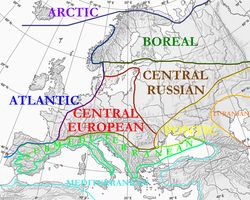
The region encompasses much of Canada, Alaska, Russia, and Europe, stretching from the Caucasus to North Anatolia. In North America, its reach extends into parts of northern New England, Michigan, Minnesota, Wisconsin, and the Turtle Mountains of North Dakota. The landscape is defined by diverse biomes, including the frozen expanses of the polar desert, the vast tundra, and the dense coniferous forests known as the taiga.
Key Facts
- Scale: It is the largest floristic region in the world by total area.
- Composition: Includes major portions of North America, Europe, and Northern Asia.
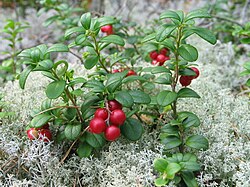
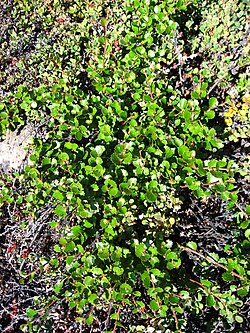
- Shared Flora: Despite being split by oceans, Eurasian and North American areas share many boreal plants like Betula nana and Vaccinium vitis-idaea.
- Endemism: While it contains no endemic biological families, it boasts numerous endemic genera and many endemic species, particularly in mountainous areas.
- Historical Impact: The flora was significantly shaped and impoverished by glaciations during the Pleistocene epoch.
Botanical Diversity and Endemism
While the Circumboreal Region does not host any plant families that are found exclusively within its borders (endemic families), it is incredibly rich in endemic genera—groups of plants that are unique to this specific area. Notable examples include Lunaria, Soldanella, Astrantia, and Pulmonaria.
The diversity of species is even more pronounced, especially within high-altitude mountain ranges. Many plants have evolved in isolation, leading to a high concentration of species found nowhere else on the planet.
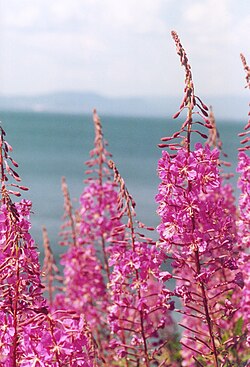
Common boreal species that characterize the region include Epilobium angustifolium, which can be found across various northern latitudes.
Floristic Provinces
To better understand the complex distribution of plants, geobotanists divide the Circumboreal Region into several floristic provinces. These subdivisions help scientists categorize plants based on their specific regional characteristics and evolutionary histories.
The Arctic and Atlantic Provinces
The Arctic Province covers Greenland, Iceland, and the northern treeless reaches of Norway, Finland, Russia, Alaska, and Canada. It is home to over a hundred endemic species, such as Salix arctica. In contrast, the Atlantic European Province—covering areas like the UK, Ireland, and parts of France and Germany—features endemic genera like Petrocoptis and Thorella.
Central and Southern European Provinces
The Central European Province is highly diverse, containing 10-15% endemic species, including Rhododendron hirsutum and Leontopodium alpinum. Moving south, the Illyrian Province (covering the Balkans and parts of Turkey) and the Euxinian Province (centered around the Black Sea) host significant numbers of endemic species, such as the Abies nordmanniana in the Euxinian region.
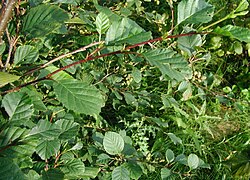
The Caucasian Province, spanning parts of Russia, Georgia, Armenia, and Azerbaijan, is particularly notable for its five endemic genera, including Pseudovesicaria and Trigonocaryum.
Siberian and North American Provinces
The vast expanse of Asia is subdivided into several provinces, including West Siberian, Altai-Sayan, Central Siberian, and Transbaikalian. The Altai-Sayan province is unique for its endemic genus Microstigma. Further east, the Okhotsk-Kamchatkan Province contributes the endemic genus Redowskia. Finally, the Canadian Province covers parts of Canada and the United States, completing the circumboreal loop.
Summary of Major Floristic Provinces
| Province | Key Geographic Areas | Notable Endemic Features |
|---|---|---|
| Arctic | Greenland, Iceland, Northern Russia, Alaska, Canada | Over 100 endemic species |
| Atlantic European | UK, Ireland, France, Germany, Norway | Genera: Petrocoptis, Thorella |
| Central European | Austria, Switzerland, Poland, Czech Republic, etc. | 10-15% endemic species |
| Caucasian | Russia, Georgia, Armenia, Azerbaijan | 5 endemic genera |
| Altai-Sayan | Russia, Mongolia | Genus: Microstigma |
Frequently Asked Questions
What is the Circumboreal Region?
It is the largest floristic region in the world, encompassing the northern parts of North America and Eurasia, characterized by taiga, tundra, and polar desert biomes.
Are there any plant families unique to this region?
No, there are no biological families that are endemic to the Circumboreal Region, though it does contain many endemic genera and species.
How did the Pleistocene glaciations affect the flora?
The glaciations during the Pleistocene period caused a severe impoverishment of the region's flora, shaping the plant distributions we see today.
What are the main biomes found in this region?
The northern portions of the region primarily consist of polar desert, tundra, and taiga biomes.
Do North America and Eurasia share the same plants?
Yes, while geobotanists often divide them into two distinct regions, they share much of their boreal flora, such as Alnus viridis and Vaccinium vitis-idaea.