Church Architecture: A History of Sacred Spaces and Design
For centuries, the church building has served as more than just a place of worship; it is a physical manifestation of faith, art, and community. From the clandestine gatherings of the early Roman Empire to the towering spires of the Gothic era and the minimalist designs of the modern age, these structures have evolved to reflect the theological and cultural shifts of their time.
While the term "church" often refers to the physical structure, modern theological language—particularly following the Second Vatican Council (1962–1965)—distinguishes between the building and the "People of God," the assembled community of believers.

Key Facts

- Earliest Identified: Church buildings date back to approximately 233–256 AD.
- Global Distribution: The United States has the highest number of churches worldwide (approx. 380,000), followed by Brazil and Italy.
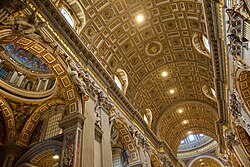
- Largest Structure: St. Peter's Basilica is the largest church building by interior volume (227,070 m³).
- UNESCO Sites: Notable examples include the rock-hewn churches of Lalibela (Ethiopia) and Spanish colonial baroque churches in the Philippines.
- Common Features: Many designs include a nave, altar, bell tower, and a cross-shaped floor plan.
The Evolution of Sacred Architecture
Antiquity and the Early Church
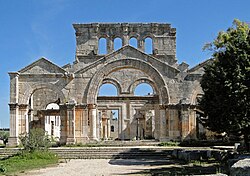
In the early Roman Empire, Christians met in house churches—private residences used for clandestine worship. This changed in 313 AD with the Edict of Milan, which legalized Christianity. With imperial patronage, the church adapted the form of the civic basilica (a large public building) to meet liturgical needs.
Medieval Mastery: Romanesque and Gothic
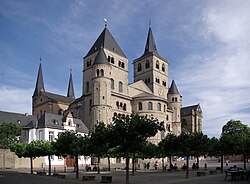
Between the 10th and 12th centuries, the Romanesque period emerged, characterized by thick masonry walls, round arches, and barrel or groin vaults. This provided a sense of stability and strength.
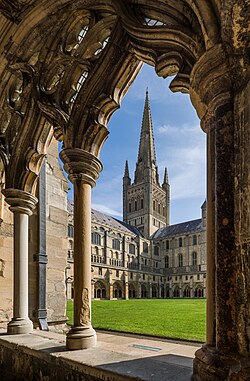
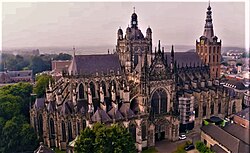
From the 12th to the 16th centuries, Gothic architecture pushed the boundaries of height and light. Architects introduced pointed arches, rib vaults, and flying buttresses (external supports that carry the weight of the roof), allowing for thinner walls and massive stained-glass windows. Some of these projects took centuries to complete; for instance, Cologne Cathedral began in 1248 but was not finished until 1842.
Renaissance, Baroque, and the Reformation
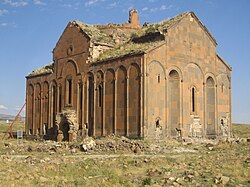
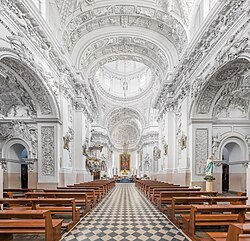
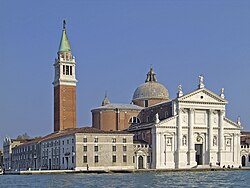
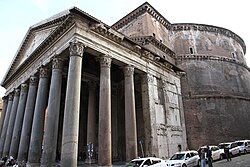
The Renaissance (starting in the 15th century) brought a return to classical symmetry, proportional systems, and classical orders. This was followed by the Baroque and Rococo periods of the 17th and 18th centuries, which utilized theatrical spaces and integrated decoration to evoke emotion, often as part of the Counter-Reformation.
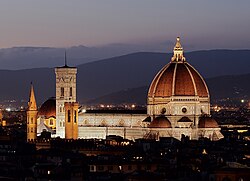
Simultaneously, the Reformation after 1517 led to a shift in Protestant regions toward preaching-oriented halls and centralized plans, while the Orthodox East continued to refine the domed cross-in-square design.
Modernity and the 20th Century
The 19th century saw a surge in Gothic Revival architecture as a response to industrialization. By the 20th century, architects began using reinforced concrete, steel, and glass. Following the Second Vatican Council's call for "noble simplicity," many Catholic interiors were redesigned to bring the altar closer to the congregation, reducing the visual gap between the clergy and the laity.
Types of Church Buildings
Not all sacred spaces serve the same purpose. The variety of church types reflects different administrative and functional roles:
- Cathedral: The seat of a bishop.
- Basilica: A title given to churches of particular historical or spiritual importance.
- Chapel: A smaller place of worship, often attached to a larger institution.
- Parish Church: The primary church for a specific local community.
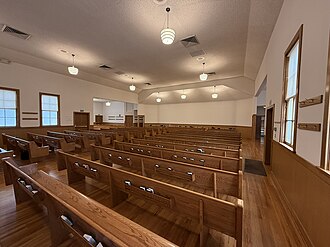
- Meetinghouse: Common in Anabaptist and some Protestant traditions, focusing on community gathering.
Global Distribution and Cultural Heritage
Church architecture has adapted to local environments worldwide. In Ethiopia, the 12th-century rock-hewn churches of Lalibela were carved directly from volcanic rock. In the Philippines, Spanish colonial baroque styles were blended with local materials.
While Europe hosts over 500,000 churches, some regions maintain strict prohibitions. Saudi Arabia and the Maldives ban the construction of churches, though secret home churches exist in both countries. Interestingly, Saudi Arabia preserves the remnants of the 4th-century Jubail Church, though it remained unpublished for years due to sensitivities.
| Era/Style | Key Characteristics | Approximate Period |
|---|---|---|
| Early Christian | House churches, adapted civic basilicas | 1st – 4th Century |
| Romanesque | Thick walls, round arches, barrel vaults | 10th – 12th Century |
| Gothic | Pointed arches, flying buttresses, rib vaults | 12th – 16th Century |
| Renaissance | Symmetry, classical orders, proportions | 15th – 17th Century |
| Baroque | Theatrical space, ornate decoration | 17th – 18th Century |
| Modernist | Concrete, steel, glass, minimalist layouts | 20th Century – Present |
Frequently Asked Questions
![Church of the Holy Sepulchre is considered the most important church in all of Christendom.[90]](/images/e7/fc/e7fcafb19d333deaf14ba666d888efb07e9b75ac72df2c43ca47d962e25dfdc3.jpg)
![St. Peter's Basilica in Vatican City, the largest church in the world[112]](/images/19/9b/199b3a4212da3d2e6653bb4a96fa1dc8e9efae82984fabe9fe983335e0a90d60.jpg)
What is the difference between a cathedral and a church?
A cathedral is a specific type of church that serves as the seat of a bishop, making it the central church of a diocese.
Which country has the most churches?
The United States is estimated to have the highest total number of churches worldwide, with approximately 380,000 buildings.
What is a "house church"?
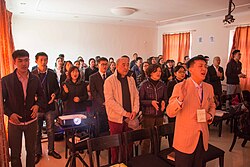
A house church is a place of worship located within a private residence. This was the primary form of Christian worship in the early Roman Empire and is still used today in regions where public church construction is prohibited.
How did the Second Vatican Council change church design?
The council encouraged "noble simplicity" and the active participation of the faithful, leading many churches to move the altar closer to the congregation to reduce the separation between the clergy and the laity.
What are the most common structural elements of a church?
Common elements include the nave (the central part of the church), aisles, an altar, a bell tower or steeple, and often a cross-shaped floor plan or a vaulted ceiling.