Chapels: History, Types, and Architectural Significance
Derived from the Latin cappella (a diminutive of cappa, meaning "little cape"), a chapel is a Christian place of prayer and worship, typically characterized by its relatively small size. While often associated with Christianity, the term encompasses a wide variety of sacred spaces, ranging from intimate rooms within massive cathedrals to standalone buildings in remote landscapes or modern transit hubs.
At its core, a chapel differs from a parish church in its function and administration. Often, no clergy are permanently resident or specifically attached to a chapel, making it a flexible space for devotion, private prayer, or specific communal rites.
Key Facts
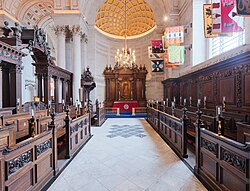
- Versatility: Chapels can be internal rooms within a church, standalone satellite sites, or integrated into non-religious institutions like airports and hospitals.
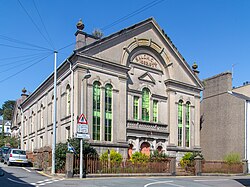
- Nonconformity: In England and Wales, "chapel" is the traditional term for places of worship used by independent or Nonconformist denominations.
- Catholic Definition: Under canon law, a chapel is technically an oratory—a place dedicated to services (especially Mass) that is not a parish church.
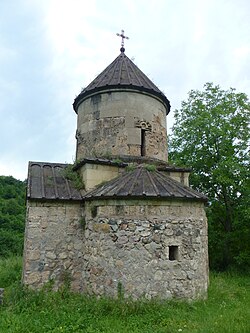
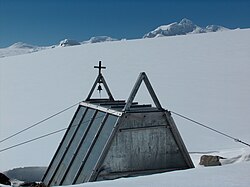
- Global Reach: Chapels exist worldwide, from the ancient Tsrviz Chapel in Armenia to modern installations in Antarctica.
The Evolution and Meaning of Chapels
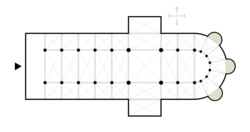
The earliest Christian places of worship are often described as chapels because they began as dedicated chambers within existing buildings rather than standalone structures. As church architecture evolved, larger churches began incorporating secondary altars. When these altars occupied their own distinct space, they were designated as chapels.
In the Russian Orthodox tradition, chapels were frequently constructed beneath city gates to ensure maximum accessibility for the public, such as the Iberian Chapel. Over time, the term expanded to include interfaith or non-denominational spaces, particularly in secular institutions like universities, prisons, and airports.
Regional and Denominational Variations
In the United Kingdom, the term carries specific historical weight. In Wales and England, "chapel" historically referred to Nonconformist religious societies—those independent of the established Church of England. This movement was so influential that by the 1851 census, attendance at independent chapels exceeded that of Anglican churches in some areas.
In Scotland and Ireland, the term is frequently used to describe Catholic churches. Meanwhile, in the Catholic Church, an oratory may be private (for a bishop or convent), semi-public (such as a seminary), or public (such as a hospital chapel).
Common Types of Chapels
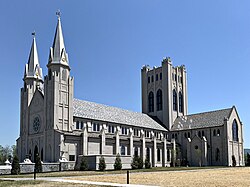
Chapels are categorized by their location, purpose, and the community they serve. They generally fall into three categories: those within larger churches, those within institutional complexes, and standalone satellite sites.
Internal Church Chapels
Many cathedrals feature side chapels—small areas for quiet prayer or the housing of relics. A prominent example is the Lady chapel, typically located in the apse and dedicated to the Virgin Mary. Other internal spaces include the "chapel of Reservation" or "Blessed Sacrament chapel," where the consecrated bread of the Eucharist is kept for the sick and housebound.
Institutional and Private Chapels
- Palace and Royal Chapels: Built for monarchs or noble courts, such as the Palatine Chapel.
- College and School Chapels: Located on campuses, often reflecting the institution's religious affiliation.
- Military Chapels: Found on bases to serve various denominations under the guidance of a military chaplain.
- Hospital and Airport Chapels: Often multifaith spaces providing solace to travelers and the ill.
- Funeral and Cemetery Chapels: Including mausoleum chapels with above-ground crypts and chapels of rest for viewing the deceased.
Specialized and Historical Chapels
Some chapels served very specific historical needs. Chapels of ease were built in large parishes to provide easier access for those living far from the main church. Bridge chapels were common in pre-Reformation Europe, built on or near road bridges. In Mexico, the capilla abierta (open chapel) emerged in the 16th century as a distinct colonial architectural form.
Notable Chapels Around the World
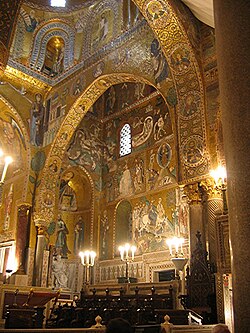
From the Renaissance masterpieces of Italy to the remote reaches of the South Pole, chapels vary wildly in scale and style.
| Chapel Name | Location | Approximate Date/Era |
|---|---|---|
| Sistine Chapel | Vatican City | 1473 |
| Sainte-Chapelle | Paris, France | 1246 |
| St. George's Chapel | Windsor Castle, England | 1348 |
| Rosslyn Chapel | Midlothian, Scotland | 1440 |
| Rothko Chapel | Houston, Texas, USA | 1964 |
| St. Ivan Rilski Chapel | Livingston Island, Antarctica | 2003 |
Frequently Asked Questions
What is the difference between a church and a chapel?
While both are places of worship, a church is typically a larger, primary place of worship for a parish with a resident clergy. A chapel is usually smaller and may be a room within a larger church, a satellite site, or a space within an institution (like a hospital) without a permanently resident priest.
What is a Lady chapel?
A Lady chapel is a specific type of side chapel, often found in the apse of a cathedral or a side aisle of a parish church, dedicated to the veneration of the Blessed Virgin Mary.
What is a "chapel of ease"?
A chapel of ease is a small place of worship built in a remote part of a large parish to make it easier for local parishioners to attend services without traveling long distances to the main parish church.
Are chapels only for Christians?
Although the term is most common in Christian contexts, chapels can be found in Jewish synagogues and are frequently designed as multifaith or non-denominational "meditation rooms" in secular settings like airports and the United Nations.
What is a Nonconformist chapel?
In British history, particularly in England and Wales, Nonconformist chapels were places of worship for religious societies that did not adhere to the doctrines or governance of the established Church of England.