Steeples: Architectural Symbolism and Structural History
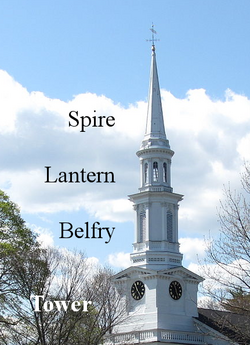
In the world of architecture, a steeple is a tall tower rising from a building, typically crowned by a spire. While they are most commonly associated with Christian churches and cathedrals, these structures serve as more than just aesthetic additions. They function as an elaborate architectural metaphor—a symbol pointing toward heaven, designed to direct the thoughts of the faithful upward toward God.
Depending on the design, steeples may exist as stand-alone structures or be integrated directly into the center or entrance of the building.
Key Facts
- Definition: A tall tower topped by a spire, often containing a belfry (a room for bells).
- Symbolism: Acts as a visual marker for Christian churches and a symbolic pointer to the divine.
- Origin: Bell towers appeared around AD 600, evolving from separate modest structures into integrated steeples.
- Vulnerabilities: Highly susceptible to earthquakes, lightning strikes, and high-wind events.
The Evolution of the Steeple
Towers are a global element of religious architecture, generally representing human attempts to reach skyward toward the heavens. However, they were not a standard feature of Christian churches until approximately AD 600, when the first bell towers were introduced.
Initially, these towers were modest, independent structures located near the church. Over centuries, architectural styles evolved, and these towers were incorporated into the main church building. As roofs became more elaborate and pointed, the modern steeple emerged as a defining characteristic of ecclesiastical design.
Structural Vulnerabilities and Threats
Due to their height and slender profiles, steeples face significant environmental risks. These structural challenges often lead to damage or total collapse during natural disasters.
Seismic Activity
Earthquakes pose a severe threat to tall, narrow structures. In Romania, many churches feature unusually slender steeples; consequently, over half of these have been lost to seismic events.
Lightning and Fire
The height of a steeple makes it a natural target for lightning. Such strikes can ignite fires within the wooden framework of the tower. A notable example is the Holy Trinity Catholic Church in Luxemburg, Iowa, which lost its steeple to a fire believed to have been caused by lightning.
Wind and Hurricanes
Strong winds and hurricanes can topple even established steeples. The Old North Church provides a historical example of this instability, having its steeple knocked down by a "great gale" in 1804 and again by Hurricane Carol in 1954.
Summary of Steeple Characteristics
| Feature/Threat | Description/Example |
|---|---|
| Primary Components | Tower, Spire, and Belfry |
| Historical Start | Approx. AD 600 (as bell towers) |
| Symbolic Meaning | Pointing toward heaven and God |
| Natural Threats | Earthquakes, Lightning, Hurricanes |
| Notable Loss | Old North Church (1804 and 1954) |
Frequently Asked Questions
What is the difference between a tower and a steeple?
While a tower is a general tall structure, a steeple specifically refers to a tower topped by a spire, often incorporating a belfry, and is typically associated with religious architecture.
When did steeples first appear in Christian architecture?
Towers began appearing in Christian churches around AD 600, starting as modest, separate bell towers before evolving into the integrated steeples seen today.
Why are steeples often damaged by natural disasters?
Their extreme height and often slender design make them vulnerable to the lateral forces of earthquakes and high winds, as well as making them primary targets for lightning strikes.
What is the symbolic purpose of a church steeple?
The steeple serves as a clear marker of a Christian church and acts as an architectural metaphor, symbolizing a pointer to heaven to direct the minds of the faithful toward God.