Winchester Cathedral: A Journey Through Norman and Gothic Grandeur
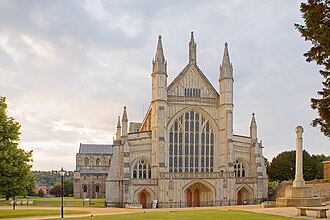
Standing as a monumental testament to centuries of English history, Winchester Cathedral—officially the Cathedral Church of the Holy Trinity and of Saint Peter and Saint Paul and of Saint Swithun—is one of the most significant religious sites in the United Kingdom. Located in Hampshire, this Grade I listed building has served as a spiritual center for nearly a millennium, evolving from its Norman foundations into a masterpiece of Gothic design.
As a major tourist attraction, the cathedral welcomed 365,000 visitors in 2019, reflecting its enduring appeal as both a place of worship and a historical treasure trove. Whether you are drawn by its architectural evolution, its royal connections, or its famous residents, the cathedral offers a profound connection to the past.
Key Facts
- Location: Winchester, Hampshire, England
- Architectural Styles: Norman and Gothic
- Construction Period: 1079–1532
- Nave Length: 558 ft 1 in (170.1 m)
- Heritage Status: Grade I listed
- Famous Burial: Jane Austen
Architectural Evolution: From Norman to Gothic
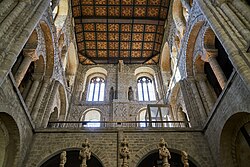
The cathedral's structure is a living timeline of medieval engineering. The building's history began with the Norman style, characterized by heavy walls and rounded arches, which can still be seen in parts of the south transept. Over the centuries, significant expansions introduced the Gothic style, known for its pointed arches, ribbed vaults, and flying buttresses, which allowed for much taller and more light-filled spaces.
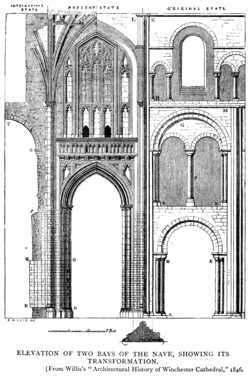
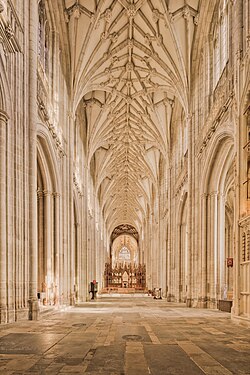
One of the most striking features is the nave. Remodelled by William of Wykeham, it stands as the longest nave in Europe. The transformation from the original Norman design to the soaring Gothic structure is best understood by comparing the heavy, thick-walled Norman sections with the elegant, vertical lines of the Gothic additions.
The Art of Vaulting and Windows
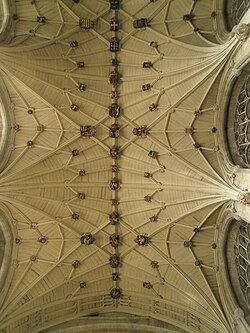
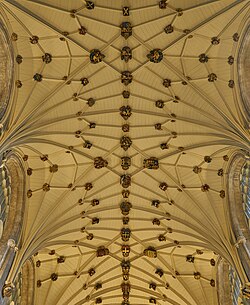
The interior is defined by its intricate vaulting—the arched masonry structures that support the ceilings. The cathedral features various types, including Early English vaults in the presbytery aisles and the stunning late Perpendicular Gothic vaults. In some areas, you can observe the delicate fan vaulting, a decorative style where the ribs spread out like a fan.
Light plays a crucial role in the cathedral's atmosphere, filtered through magnificent stained glass and large windows. While some original glass has been replaced or modified over time, such as the Great West Window which is now a mosaic, the clerestory windows and the Lady Chapel continue to showcase the beauty of medieval lightwork.
Monuments, Treasures, and the Morley Library
Beyond its architecture, Winchester Cathedral houses an extraordinary collection of historical artifacts. The Morley Library, located in the triforium of the south transept, is a highlight for bibliophiles. It contains a collection of rare books gifted by George Morley, Bishop of Winchester, housed on their original 17th-century carved shelves.
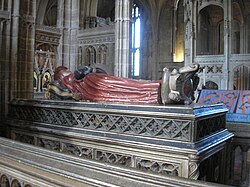
The cathedral is also a site of immense funerary importance. It contains various chantry chapels—small spaces intended for priests to sing masses for the souls of the deceased—and numerous tombs. Notable figures interred or commemorated here include Cardinal Beaufort and various Bishops of Winchester.
Musical Heritage
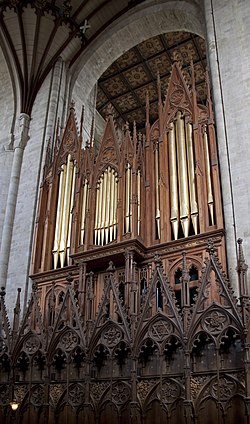
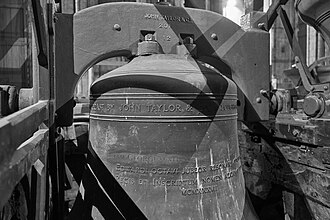
Music is woven into the very fabric of the cathedral. The organ is a central feature, housed in an impressive case that complements the acoustic grandeur of the space. Additionally, the cathedral's bells have a long history, with some bells bearing inscriptions that tell stories of political shifts, such as the tenor bell that features a crossed-out reference to King Edward VIII following his abdication.
The Final Resting Place of Legends
The cathedral serves as a silent guardian for many of England's most famous historical figures. While some kings, such as Alfred the Great and Edward the Elder, were originally buried here before being moved to Hyde Abbey, others remain in the cathedral's care. Most famously, the beloved novelist Jane Austen is buried within the cathedral grounds.
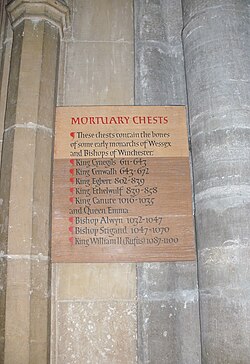
The cathedral also holds mortuary chests containing the remains of ancient kings of Wessex and England, including Cnut (Canute) and Emma of Normandy. These chests provide a tangible link to the early foundations of the English monarchy.

Summary of Cathedral Specifications
| Feature | Details |
|---|---|
| Denomination | Church of England |
| Primary Styles | Norman, Gothic |
| Nave Length | 170.1 meters |
| Key Dedications | Holy Trinity, St. Peter, St. Paul, St. Swithun |
| Notable Resident | Jane Austen |
Frequently Asked Questions
What is the significance of the nave at Winchester Cathedral?
The nave, which was remodelled by William of Wykeham, is notable for being the longest nave in Europe.
Who is buried in Winchester Cathedral?
The cathedral is the final resting place for many notable figures, most famously the author Jane Austen, as well as various Bishops and historical figures like Izaak Walton.
What architectural styles are present in the building?
The cathedral features a blend of Norman (Romanesque) architecture and various stages of Gothic architecture, including Perpendicular Gothic.
What is the Morley Library?
The Morley Library is a collection of rare books housed in the south transept, gifted by Bishop George Morley and kept on original 17th-century shelving.
How long did it take to build the cathedral?
The construction of the current structure spanned several centuries, from 1079 to 1532.