Cholera: Causes, Symptoms, and Global Prevention Strategies
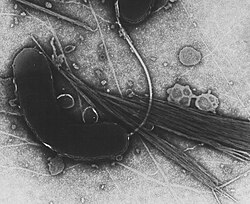
Cholera is a severe infectious disease caused by the bacterium Vibrio cholerae. It is primarily characterized by acute watery diarrhea and can lead to rapid dehydration if left untreated. While it is highly preventable and treatable, it remains a global health threat, particularly in regions with inadequate water treatment and poor sanitation infrastructure.
Unlike vibriosis—a milder condition caused by non-toxin producing strains of the same bacteria—cholera is an epidemic disease that can spread quickly through contaminated food and water sources.
Key Facts
- Cause: Infection by the bacterium Vibrio cholerae.
- Transmission: Spread via the fecal-oral route through contaminated water or food.
- Primary Symptom: Profuse "rice water" diarrhea and vomiting.
- Critical Risk: Severe dehydration and electrolyte imbalance.
- Treatment: Oral rehydration therapy (ORT) is the primary life-saving intervention.
- Mortality: Less than 1% with proper treatment, but 50–60% if left untreated.
Understanding the Cause and Transmission
Cholera is caused by the ingestion of Vibrio cholerae. These bacteria often reside in aquatic environments and are transmitted to humans through the fecal-oral route, meaning the bacteria from the feces of an infected person contaminate water or food supplies.
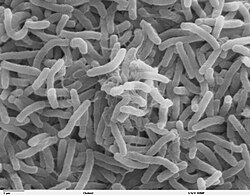
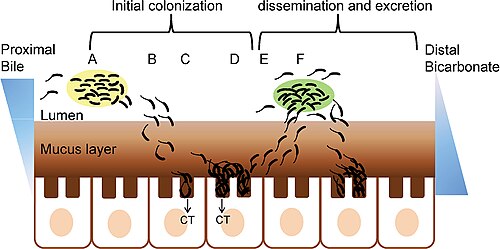
The bacteria utilize a biofilm—a protective layer of extracellular matrix—to aid in the colonization of the human intestine. Once inside, the bacteria produce a potent enteric toxin, a discovery credited to Prof. Sambhu Nath De, which triggers the massive secretion of fluids into the intestinal lumen.
Risk Factors
Certain conditions increase the likelihood of cholera outbreaks, including:
- Lack of access to clean, potable water.
- Poor sanitation and sewage disposal systems.
- Poverty and overcrowded living conditions.
Signs and Symptoms
The onset of cholera typically occurs between 2 hours and 5 days after exposure. While some infected individuals may remain asymptomatic, those who develop the disease experience a rapid onset of symptoms.
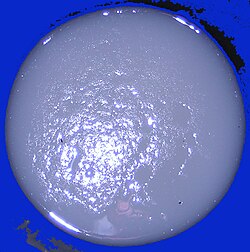
The hallmark of the disease is large amounts of watery diarrhea, often described as "rice water" due to its pale, cloudy appearance. This is frequently accompanied by vomiting and muscle cramps resulting from the loss of salts (electrolytes).
If the fluid loss is not replaced, patients suffer from severe dehydration, which manifests as sunken eyes and wrinkled skin.
Diagnosis and Treatment
Medical professionals diagnose cholera primarily through a stool test to detect the presence of Vibrio cholerae.
Rehydration and Medical Care
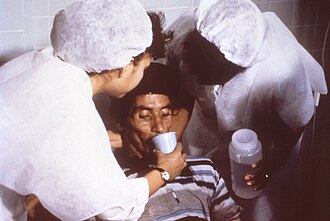
The primary goal of treatment is the immediate replacement of lost fluids and electrolytes. This is achieved through:
- Oral Rehydration Therapy (ORT): A solution of salts and sugars that can be drunk to replace fluids.
- Intravenous Fluids: Used for patients in severe shock or those unable to take fluids by mouth.
- Zinc Supplementation: Used to reduce the duration and severity of diarrhea.
- Antibiotics: Administered in severe cases to reduce the volume of diarrhea and shorten the duration of bacterial shedding.
Prevention and Public Health

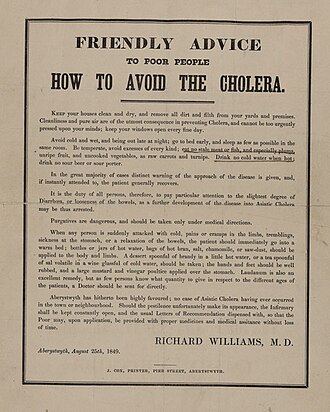
Preventing cholera requires a combination of infrastructure improvements and medical interventions. The most effective strategies include improved sanitation, consistent hand washing, and ensuring access to clean drinking water.
Water Filtration and Vaccination
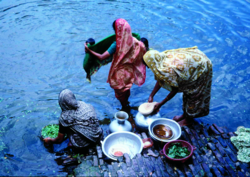
In areas where water treatment plants are unavailable, simple methods like sari filtration—using a cloth sari to filter water—have been used to reduce bacterial load.
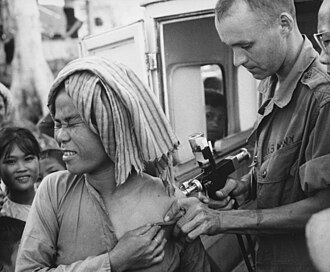
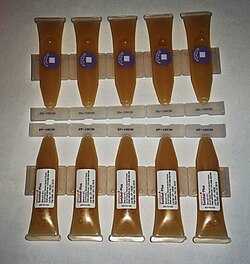
Vaccination is another critical tool. Various oral cholera vaccines, such as Euvichol-plus, provide protection and are used both for long-term prevention and during active outbreaks.
Epidemiology and History
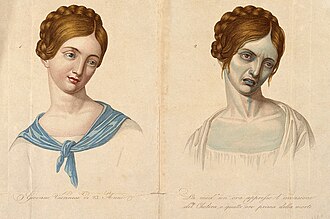
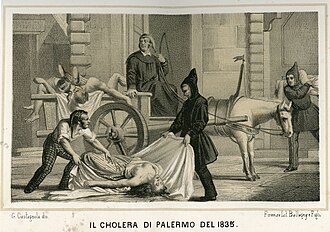
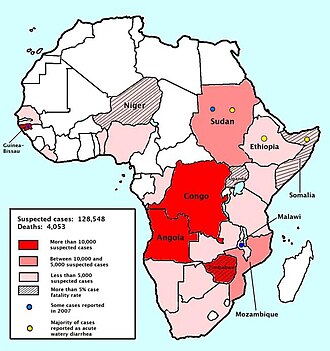
Cholera has a long history of devastating pandemics. From the 19th-century outbreaks in Europe and the Americas to modern outbreaks in sub-Saharan Africa and Asia, the disease has affected millions. Notable historical victims include US President James K. Polk and the physicist Sadi Carnot.

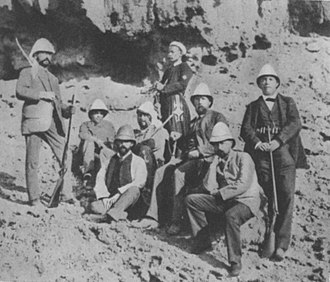
Research by pioneers like Robert Koch, who identified V. cholerae in 1883, laid the groundwork for modern microbiology and the eventual development of vaccines and sanitation laws.
| Feature | Details |
|---|---|
| Causative Agent | Vibrio cholerae |
| Incubation Period | 2 hours to 5 days |
| Primary Symptom | Rice-water diarrhea |
| Treatment Priority | Fluid and electrolyte replacement |
| Untreated Mortality | 50–60% |
| Treated Mortality | < 1% |
| Annual Incidence | 3–5 million people |
Frequently Asked Questions
What is the difference between cholera and vibriosis?
Cholera is a severe disease caused by toxin-producing strains of Vibrio cholerae, leading to massive fluid loss. Vibriosis is a milder infection caused by non-toxin producing Vibrio bacteria.
How is cholera transmitted?
It is transmitted via the fecal-oral route, typically through the consumption of water or food contaminated with the feces of an infected person.
Can cholera be prevented?
Yes. Prevention is achieved through improved sanitation, access to clean drinking water, regular hand washing, and the use of oral cholera vaccines.
Why is oral rehydration therapy so important?
Because the primary cause of death in cholera is severe dehydration and electrolyte imbalance, ORT provides a fast, effective way to replace lost fluids and salts, reducing the mortality rate to less than 1%.
How long does a cholera infection last?
The duration of the illness typically lasts a few days, although the recovery time depends on the speed and effectiveness of the rehydration treatment.