Vibrio cholerae: The Pathogenic Bacterium Behind Cholera Outbreaks
Vibrio cholerae is the bacterium responsible for causing cholera, a severe diarrheal disease that continues to impact millions of people worldwide. While modern medicine has made significant strides in understanding and managing the disease, this pathogen remains a major global health threat, particularly in areas with limited access to clean water and sanitation.
To understand the impact of this organism, one must look at its biological complexity, its historical discovery, and the specific ways it interacts with the human body to cause illness.
Key Facts
- Primary Cause: Vibrio cholerae is the causative agent of cholera.
- Major Serogroups: The O1 and O139 serogroups are the primary drivers of widespread epidemics.
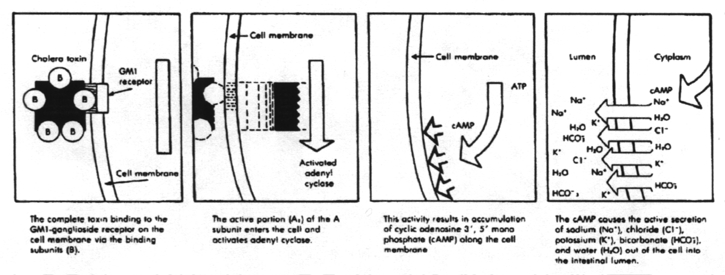
- Mechanism of Illness: The disease is largely driven by the production of the cholera toxin.
- Transmission: The pathogen is typically spread through contaminated drinking water.
- Global Impact: Cholera outbreaks cause an estimated 120,000 deaths annually.
Scientific Classification and Taxonomy
The classification of Vibrio cholerae has evolved significantly since its first observation. It belongs to the domain Bacteria, within the class Gammaproteobacteria and the order Vibrionales.
The history of its naming is a complex journey through scientific discovery. In 1849, Félix-Archimède Pouchet first observed the organism under a microscope, though he incorrectly identified it as a type of protozoa (microscopic protists) called "infusoria." It was Filippo Pacini who correctly identified it as a bacterium, providing the basis for its scientific name. Later, in 1884, Robert Koch identified the bacterium as the specific cause of cholera. The modern name, Vibrio cholerae, was eventually stabilized through the work of various bacteriologists and officially accepted by international nomenclature committees in the mid-1960s.
The History of Cholera Discovery
The quest to understand cholera occurred during a time when the miasma theory—the belief that diseases were spread by "bad air"—was the dominant explanation for epidemics. During the third global pandemic (1846–1860), scientific research began to challenge this notion.
In 1854, English physician John Snow provided groundbreaking evidence in London that cholera was a contagion spread through drinking water rather than air. Although Snow could not identify the specific pathogen at the time, his work laid the foundation for modern epidemiology. It wasn't until decades later that the specific bacterium was isolated and its toxic mechanism was fully understood, notably by Sambhu Nath De in 1959, who demonstrated that the cholera toxin was the direct cause of the disease.

Pathogenicity and Serogroups
Not all strains of Vibrio cholerae cause the same level of disease. The bacteria are categorized into different serogroups based on their surface antigens. The two most significant serogroups for human health are:
- O1: This serogroup is responsible for the vast majority of cholera outbreaks globally.
- O139: First identified in Bangladesh in 1992, this serogroup is primarily confined to Southeast Asia.
While many other serogroups exist and can cause cholera-like illnesses, only the toxigenic strains of O1 and O139 have the capacity to trigger widespread, large-scale epidemics. The pathogenicity is driven by the production of the cholera toxin, which disrupts the regulation of cells in the intestinal lumen, leading to the rapid efflux of water and sodium.
Global Epidemiology and Outbreaks
Cholera has a long history of causing pandemics, with roughly seven major pandemics occurring since 1817. These outbreaks often originate in the Indian subcontinent and spread globally. Today, outbreaks continue to occur frequently across Africa, the Americas, and Haiti.
One of the most significant recent examples of a prolonged epidemic occurred in Yemen. Between 2016 and 2019, two major outbreaks impacted over 1 million people and resulted in more than 2,500 deaths.
| Feature | Details |
|---|---|
| Primary Serogroups | O1 (most common) and O139 |
| Transmission Route | Contaminated water and food |
| Key Pathogenic Factor | Cholera toxin |
| Annual Global Deaths | Approximately 120,000 |
Frequently Asked Questions
What is the main cause of cholera?
Cholera is caused by infection with the bacterium Vibrio cholerae, specifically the toxigenic strains of the O1 and O139 serogroups.
How does the cholera toxin affect the body?
The cholera toxin interrupts the regulation of adenyl cyclase inside intestinal cells, which causes a massive efflux of water and sodium into the intestinal lumen, resulting in severe diarrhea.
How is cholera typically spread?
The disease is primarily spread through the consumption of contaminated drinking water or food, often due to inadequate sanitation and waste management.
What is the difference between O1 and O139 serogroups?
The O1 serogroup is responsible for most cholera outbreaks worldwide, whereas the O139 serogroup is more localized, primarily found in Southeast Asia.
Who discovered that cholera is caused by a bacterium?
While Filippo Pacini correctly identified it as a bacterium earlier, Robert Koch is credited with discovering the bacterium as the specific cause of cholera in 1884.