Chicory: From Wild Blue Flowers to Culinary Staple
Chicory, scientifically known as Cichorium intybus, is a versatile plant that has transitioned from a wild flowering herb to a significant component of global cuisine and industry. Belonging to the Asteraceae family, this plant is recognized by its striking blue or lavender flowers and its diverse uses, ranging from bitter salad greens to a popular coffee substitute.
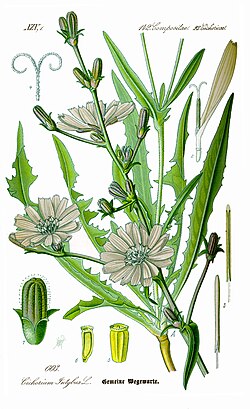
Botanical Characteristics
In its wild form, chicory is a hardy plant that can reach heights of up to 1.5 metres (5 feet). It features a tough, grooved, and slightly hairy stem. The leaves are lanceolate (shaped like a lance head) and unlobed, varying in length from 7.5 to 32 centimetres. During its flowering season, which lasts from March until October, it produces flower heads measuring 3–5 cm in width.
The plant's distinctive color is typically light blue or lavender, though white or pink variations are occasionally observed. Structurally, the flower heads consist of two rows of involucral bracts—the inner row being longer and erect, while the outer row is shorter and spreading. The seeds produced by the plant are characterized by small scales at the tip.
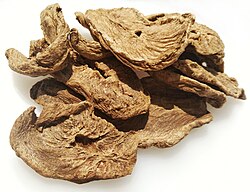
Chemical Composition and Bitterness
The characteristic bitterness of chicory is driven by specific chemical compounds known as sesquiterpene lactones, specifically lactucin and lactucopicrin. Other notable chemical constituents include aesculin, cichoriin, scopoletin, and umbelliferone.
A significant discovery made around 1970 revealed that the chicory root contains up to 20% inulin. Inulin is a polysaccharide, a complex carbohydrate similar to starch, which plays a major role in the plant's industrial and nutritional applications.
Culinary Uses and Varieties
Root Chicory and Coffee Substitutes
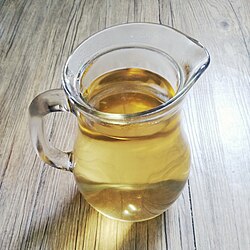
Root chicory (Cichorium intybus var. sativum) has a long history of use as a coffee substitute. The roots are typically baked, roasted, and ground. This practice became widespread during economic hardships, such as the Great Depression and World War II. Today, chicory is used as an additive in various cultures, including Indian filter coffee and specific regional cuisines in the southern United States, such as New Orleans.
Belgian Endive (Witloof)
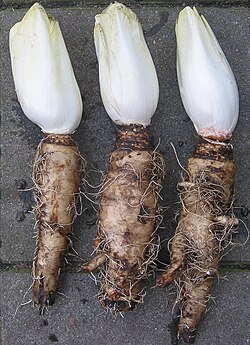
A specialized form of leaf chicory is the Belgian endive, known in Dutch as witloof. This variety is grown by harvesting the root and allowing it to sprout indoors without sunlight. This process, called etiolation, prevents the leaves from turning green, resulting in a small head of creamy, pale leaves. The lack of light preserves a delicate flavor, though the leaves retain a slight bitterness. The whiter the leaf, the less bitter it tends to be.
Nutritional Profile
Chicory offers a range of nutritional benefits. Raw chicory leaves are highly hydrating, consisting of approximately 92% water. They are particularly rich in Vitamin K, providing over 200% of the Daily Value (DV) per 100g, alongside significant amounts of Vitamin A, Vitamin C, and manganese.
| Nutrient | Quantity | % Daily Value (DV) |
|---|---|---|
| Energy | 96 kJ (23 kcal) | - |
| Carbohydrates | 4.7 g | - |
| Dietary Fiber | 4 g | - |
| Vitamin K | 248% | 248% |
| Vitamin A (beta-Carotene) | 3430 μg | 32% |
| Vitamin C | - | 27% |
| Folate (B9) | - | 28% |
| Manganese | - | 19% |
Key Facts
- Scientific Name: Cichorium intybus
- Primary Bitterness Agents: Lactucin and lactucopicrin (sesquiterpene lactones).
- Key Carbohydrate: Inulin (up to 20% in the root).
- Common Uses: Coffee additive, salad greens (endive), and forage.
- Nutritional Highlight: Extremely high in Vitamin K.
Frequently Asked Questions
Why is chicory used as a coffee substitute?
Chicory roots are roasted and ground to create a beverage that mimics the dark, bitter profile of coffee. It has historically been used during coffee shortages or economic crises.
What is the difference between chicory and Belgian endive?
While both belong to the same species, Belgian endive (witloof) is a cultivated variety where the root is grown in darkness to produce pale, tender, and slightly bitter leaves.
What is inulin?
Inulin is a polysaccharide found in high concentrations in chicory roots. It is a type of complex carbohydrate similar to starch.
How can I reduce the bitterness of endive leaves?
The whiter the leaf, the less bitter it usually tastes. Additionally, removing the harder inner part of the stem at the bottom of the head before cooking can help reduce bitterness.
Is chicory nutritious?
Yes, raw chicory leaves are a dense source of Vitamin K, Vitamin A, Vitamin C, and manganese, while also providing dietary fiber.