Chicano Rock: The Evolution of Mexican American Musical Fusion
Chicano rock, often referred to as Chicano fusion, is a dynamic genre performed by Mexican American (Chicano) artists or featuring themes rooted in Chicano culture. Rather than adhering to a single, rigid sound, the genre is a tapestry of multiple musical styles. While some artists incorporate Spanish lyrics and traditional Latin instruments, others perform entirely in English, drawing their identity from the cultural heritage of the performers rather than a specific sonic formula.
Key Facts
- Cultural Identity: Reflects the diverse experiences of Mexican Americans, blending native heritage with American influences.
- Early Sound: Heavily influenced by rhythm and blues (R&B), rockabilly, and the use of brass instruments like saxophones and trumpets.
- Regional Hubs: East Los Angeles and Texas served as the primary epicenters for the genre's growth.
- Political Voice: In the 1960s and 70s, the music became a vehicle for civil rights and social justice movements.
- Global Reach: Evolved from regional R&B sounds to include punk, heavy metal, and progressive rock on a global scale.
The Foundations of Chicano Rock
The roots of the genre trace back to the mid-20th century. In 1948, Don Tosti released "Pachuco Boogie," the first million-selling Chicano record. This swing tune utilized Calo, a specific type of hipster slang. Around the same time, Lalo Guerrero arrived in Los Angeles, blending swing and boogie-woogie to create a cross-cultural dialogue between African American, Anglo, and Mexican American influences.
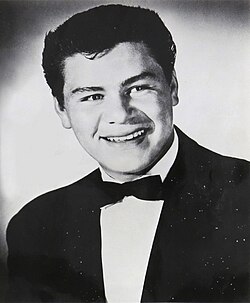
Ritchie Valens became one of the most influential figures in the movement. His 1958 hit "La Bamba" brought Chicano rock into the mainstream before his tragic death in a 1959 plane crash alongside Buddy Holly and the Big Bopper.
Another pivotal moment occurred in 1958 with the song "Tequila!" written by Danny Flores and performed by The Champs. Flores, later known as the "Godfather of Latino Rock," helped cement the presence of Latino musicians in the rock and roll landscape.
The Golden Era of East L.A. and Texas
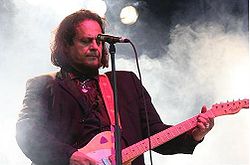
During the early to mid-1960s, Latin music gained traction in the U.S. through genres like bossa nova, mambo, and bugalú. Artists like Trini Lopez blended folk and pop, scoring hits such as "If I Had a Hammer" in 1963.
In East Los Angeles and Texas, a surge of bands emerged. Sunny & the Sunglows became the first all-Mexican American group to appear on American Bandstand, while The Premiers found success with "Farmer John." Interestingly, the hit "Louie, Louie" was inspired by an R&B version of "El Loco Cha Cha," performed by the Rhythm Rockers, a group led by Mexican-Filipino American brothers Rick and Barry Rillera.
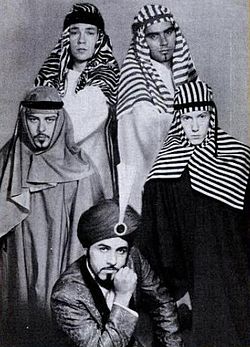
The 1965-1966 period saw a massive explosion of creativity. Cannibal & the Headhunters recorded the national hit "Land of a Thousand Dances" and opened for the Beatles. Simultaneously, Thee Midniters released "Whittier Blvd.," an anthem celebrating the car culture of East L.A. Sam the Sham and The Pharaohs achieved international success with "Wooly Bully," the first American record to sell a million copies during the British Invasion era.
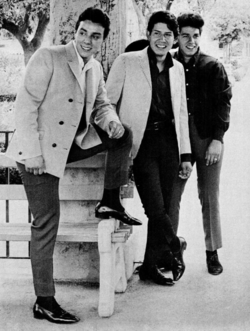
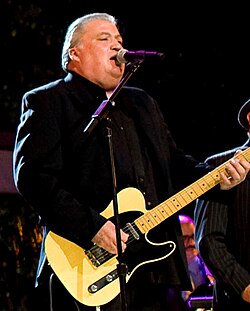
In Texas, The Sir Douglas Quintet blended R&B and Country with Tejano influences, utilizing accordion-based polka rhythms. While marketed to sound "English" to capitalize on Beatlemania, their sound remained deeply rooted in American R&B.
Social Activism and the Chicano Movement
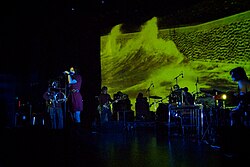
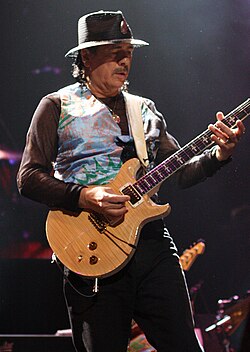
By the late 1960s and 1970s, the term "Chicano"—once derogatory—was reclaimed as a symbol of pride. Music became a tool for political expression during the Vietnam War and the civil rights movement. Bands such as El Chicano, Malo, Azteca, Tierra, and Sapo created music that addressed struggles for equality and justice.
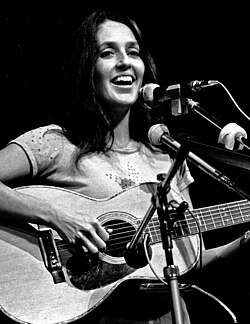
Linda Ronstadt, nurtured by her Mexican American family in Tucson, Arizona, became a powerhouse of the era. Her career spanned over forty years, and she maintained a deep connection to her roots through the influence of Lalo Guerrero.
Evolution into Punk and Alternative Rock
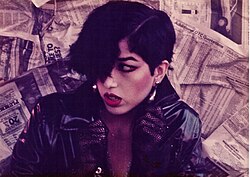
The 1980s introduced new fusions. Mexico City's Maldita Vecindad blended punk, rap, ska, and funk, describing themselves as a "mambo punk combo." Meanwhile, Robert Lopez created the persona El Vez, the "Mexican Elvis," using satire and humor to express revolutionary views.
The punk scene also saw the rise of "Punkeras." These women integrated the D-I-Y (Do-It-Yourself) ethos of punk with Rasquache, a Chicano cultural practice of making do with limited resources. A tragic chapter of this era was the career of Mia Zapata and her band The Gits, whose music expressed raw emotion and rage before Zapata's murder in 1993.
Modern Era and Global Influence
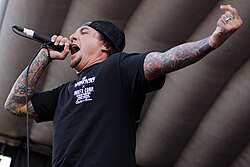
From the 1990s to the present, Chicano-led rock has diversified into various subgenres. Bands like P.O.D., Los Lonely Boys, and The Mars Volta brought Latin-influenced rock to wider audiences.
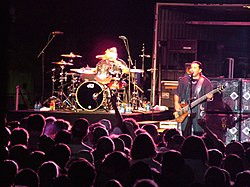
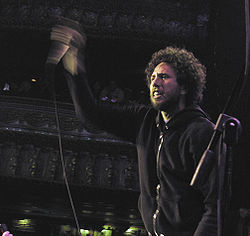
Political activism remains a core pillar. Zack de la Rocha of Rage Against the Machine used his platform to express revolutionary political views, selling over 16 million records worldwide. Modern Latin-fusion bands like Ozomatli and Quinto Sol continue to use multilingual lyrics (Spanish, English, and Nahuatl) to highlight issues of indigenous identity and urban exile.
Summary of Chicano Rock Eras
| Era | Primary Influences | Key Characteristics | Notable Artists |
|---|---|---|---|
| 1940s-50s | Swing, Boogie-Woogie, R&B | Early fusion, Calo slang, rockabilly | Don Tosti, Ritchie Valens |
| 1960s | R&B, Brass, Tejano | East L.A. sound, car culture, British Invasion response | Thee Midniters, Sam the Sham |
| 1970s | Soul, Folk, Latin Fusion | Civil rights themes, social justice, cultural pride | Linda Ronstadt, El Chicano |
| 1980s-Present | Punk, Metal, Rap, Progressive | D-I-Y ethos, political activism, global fusion | Rage Against the Machine, P.O.D. |
Frequently Asked Questions
What is Chicano rock?
Chicano rock is a broad genre of rock music performed by Mexican American artists or featuring themes derived from Chicano culture, blending various musical styles rather than following one specific sound.
Who is considered the "Godfather of Latino Rock"?
Danny Flores, the saxophone player who wrote and sang the 1958 hit "Tequila!" and performed with The Champs, is known as the "Godfather of Latino Rock."
How did the Chicano movement influence the music of the 1970s?
The movement led artists to reclaim the term "Chicano" and use their music to address social issues, civil rights, and the struggle for equality and justice.
What is the relationship between Chicano punk and "Rasquache"?
The D-I-Y (Do-It-Yourself) nature of punk resonated with Rasquache, a Chicano cultural practice of creating and making do with limited resources.
Which Chicano rock artists are known for political activism?
Zack de la Rocha of Rage Against the Machine is a prominent example, along with Latin-fusion bands like Ozomatli and Quinto Sol, who address indigenous identity and oppression.