Chicago South Side: A Legacy of Culture, History, and Community
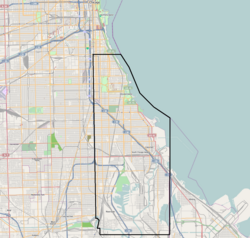
The South Side of Chicago is a vast and diverse region of the city, characterized by a rich tapestry of ethnic heritage, industrial history, and academic excellence. With a population of approximately 1 million people as of 2014, it serves as a critical cultural and economic hub within Cook County, Illinois. From the intellectual corridors of Hyde Park to the historic streets of Bronzeville, the South Side embodies the complex evolution of the American urban experience.
Key Facts
- Population: Approximately 1 million residents (2014).
- Major Hubs: Home to the University of Chicago and Midway International Airport.
- Cultural Landmarks: Includes the Museum of Science and Industry and the historic Union Stock Yards.
- Geography: Spans multiple sub-regions including the Southwest Side, Far Southwest Side, and Far Southeast Side.
- Elevation: Sits at an average elevation of 597 feet (182 m).
Regional Geography and Neighborhoods
The South Side is not a single monolith but a collection of distinct districts, each with its own unique character. The region is generally divided into several primary sectors:
South Side Core
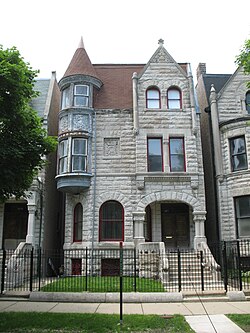
This area includes prominent neighborhoods such as Hyde Park, Kenwood, Woodlawn, and Washington Park. It is also home to the Bronzeville historic district, a center of African American culture and history.
Southwest and Far Southwest Sides
The Southwest Side features neighborhoods like Bridgeport, Archer Heights, and Gage Park. Further south, the Far Southwest Side extends the city's reach toward the outskirts of the metropolitan area.
Far Southeast Side
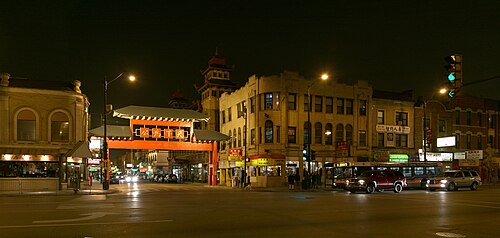
This industrial and residential stretch includes Pullman, Roseland, Hegewisch, and South Chicago. This area has historically been tied to the city's manufacturing and shipping industries.
History and Urban Development
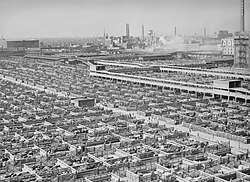
The development of the South Side is deeply intertwined with Chicago's industrial rise. A defining feature of this era was the Union Stock Yards, which once made Chicago the meatpacking capital of the world.
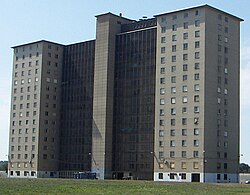
The region's social history is marked by both triumph and turmoil. The Chicago Race Riot of 1919 remains a pivotal moment in the city's struggle with racial tension and segregation. Over time, the area saw the rise of ghettoization—the process of isolating minority groups into specific urban areas—and the subsequent development of massive public housing projects, such as the Robert Taylor Homes.

Housing and Architecture
The South Side is famous for its Chicago Bungalows, a specific architectural style that became a symbol of working-class homeownership in the early 20th century.
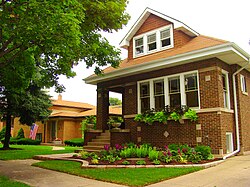
Other housing trends include the use of kitchenettes (small, subdivided apartments) and the more recent trend of gentrification—the process where higher-income residents move into lower-income neighborhoods, often changing the area's character and increasing property values.
Culture, Education, and Landmarks
The South Side is a powerhouse of education and the arts. The University of Chicago, located in Hyde Park, is one of the world's leading research institutions and has produced numerous Nobel Prize winners.
The region also hosts world-class cultural institutions, including the Museum of Science and Industry and the Dusable Museum of Art. In terms of sports and entertainment, the area has hosted legendary venues like the Chicago Stadium and continues to be a focal point for major events, including the city's bid for the 2016 Olympics.
Summary of South Side Highlights
| Category | Key Examples |
|---|---|
| Education | University of Chicago |
| Transportation | Midway International Airport |
| Museums | Museum of Science and Industry, National Museum of Mexican Art |
| Historic Sites | Union Stock Yards, Ida B. Wells House |
| Parks | Jackson Park, Washington Park, Burnham Park |
Frequently Asked Questions
What is the significance of the Chicago Bungalow?
The Chicago Bungalow is a distinct architectural style prevalent on the South Side, representing the growth of the middle and working class in the early 1900s.
Which major university is located on the South Side?
The University of Chicago is the primary academic institution in the region, located in the Hyde Park neighborhood.
What were the Union Stock Yards?
The Union Stock Yards were a massive meatpacking and livestock hub that drove Chicago's economy and industrial growth for decades.
What is the population of the South Side?
As of 2014, the population of the South Side was approximately 1 million people.
Which airport serves the South Side area?
Midway International Airport is the primary airport located within the South Side region.