Charter Boles: The Architectural Markers of Scottish Property Ownership
Walking through the historic streets of Scottish towns, one might notice small, curious indentations built directly into the stone boundary walls of ancient buildings. These features, known as charter boles, served as a permanent, physical record of legal ownership and maintenance obligations long before modern digital land registries existed.
What is a Charter Bole?
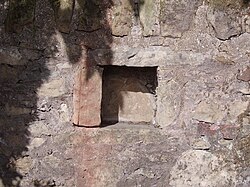
A charter bole is a rectangular recess or indentation found in the boundary walls of Scottish structures. Primarily constructed between the 15th and 17th centuries, these small niches were designed to house charter documents—legal papers that defined the ownership of adjoining properties.
While they may resemble bee boles (niches used to house beehives), charter boles are significantly smaller. Typically, a single charter bole measures one foot square or less, acting as a discreet but definitive architectural signature.
The Purpose and Function of Charter Boles
The primary function of the charter bole was to provide a visible indicator of property rights. In an era where boundary disputes could be common, the presence of a bole served as a clear signal that the wall belonged to the property on the side where the recess was located.
Beyond simple ownership, these markers also denoted responsibility for repair. By establishing which party owned the wall, the charter bole determined who was legally and financially obligated to maintain the structure's integrity over time.
Summary of Charter Bole Characteristics
| Feature | Detail |
|---|---|
| Typical Period | 15th to 17th Centuries |
| Location | Boundary walls of Scottish buildings |
| Average Size | One foot square or less |
| Primary Use | Housing ownership charters and denoting wall ownership |
Key Facts
- Charter boles are rectangular recesses used to store documents defining property ownership.
- They indicate that the wall belongs to the property on the side where the bole is situated.
- They were used to assign responsibility for the repair of the boundary wall.
- They are smaller than bee boles.
- These markers are characteristic of Scottish architecture from the 1400s through the 1600s.
Frequently Asked Questions
How do charter boles differ from bee boles?
While both are recesses in walls, charter boles are smaller and were used for legal documents, whereas bee boles were larger and designed to house beehives.
What did a charter bole signify about a wall?
A charter bole indicated that the wall belonged to the property on the side where the indentation was built.
When were charter boles commonly used in Scotland?
They were typically found in buildings constructed between the 15th and 17th centuries.
What was the legal purpose of these recesses?
They were used to house charter documents that defined the ownership of adjoining properties and established who was responsible for the wall's repair.
How large is a typical charter bole?
They are generally small, often measuring one foot square or less.