Cerro Rico: The History and Legacy of Potosí's Silver Mountain
Rising prominently above the city of Potosí in the Bolivian Andes, Cerro Rico (Spanish for "Rich Mountain") is one of the most significant geological and historical landmarks in the world. Also known as Cerro Potosí or Sumaq Urqu in Quechua—meaning "beautiful mountain"—this peak became the epicenter of global wealth during the colonial era, providing the Spanish Empire with an unprecedented supply of silver.
For centuries, Cerro Rico was viewed as a mountain essentially "made of" silver. It is estimated that approximately 85 percent of all silver produced in the central Andes during the Spanish colonial period originated from this single site. This immense wealth transformed Potosí into one of the largest and most influential cities in the New World.
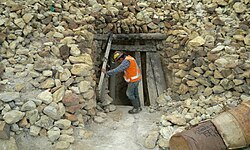
Key Facts
- Elevation: 4,782 meters (15,689 feet).
- Peak Production: Provided 80% of the world's silver supply between the 16th and 18th centuries.
- Total Yield: An estimated 60,000 tons of silver have been extracted to date.
- UNESCO Status: Added to the list of endangered sites in 2014 due to uncontrolled mining.
- Labor Force: Currently employs approximately 15,000 miners.
The Colonial Era and the "Mountain That Eats Men"
The extraction of mineral ores began in 1545 after the mountain was accidentally discovered by Diego de Huallpa, a Quechua miner searching for an Inca shrine. Initially, the Spanish found vast deposits of pure silver and silver chloride, which were relatively easy to extract. However, by 1565, these high-grade ores were exhausted.
To continue production, the Spanish introduced the patio process, a chemical method using mercury to create silver amalgams, allowing them to extract silver from low-grade ores known as paco. While this saved the industry, it introduced devastating mercury poisoning to the workforce.
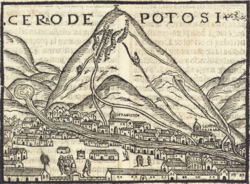
Forced Labor Systems
The Spanish Empire utilized brutal labor systems to maintain production. They first used the Repartimiento de Indios, and in 1574, Viceroy Francisco de Toledo reintroduced the mita, an annual forced labor system adapted from the Inca Empire. Native American labor was preferred over African slave labor due to perceived productivity and survival rates in the high-altitude Andean environment.
The human cost was staggering. Due to mercury poisoning, harsh conditions, and accidents, the mountain earned the grim nickname "the mountain that eats men." While some historical estimates suggest up to eight million deaths, other historians argue this figure represents the total deaths across the entire Viceroyalty of Peru, with the Potosí mines accounting for hundreds of thousands.
Modern Mining and Environmental Decay
Mining remains a cornerstone of the local economy today, though the focus has shifted. By 2019, reports indicated that output consisted predominantly of tin and zinc, with only small amounts of silver remaining. Current operations are split between the large open-pit San Bartolomé mine, operated by Empresa Minera Manquiri, and various underground mining cooperatives.
The Cooperative System
Since 2006, under the presidency of Evo Morales, mining cooperatives have received significant privileges, including tax exemptions and freedom from certain labor and environmental regulations. These "informal, self-managed associations" emerged after the failure of the state-run company COMIBOL in the 1990s. However, this sector has been marked by volatility, including violent clashes between cooperative miners, state miners, and the government.
Structural and Health Risks
Centuries of extractive mining have left the mountain structurally unstable. In 2011, a sinkhole appeared at the summit and had to be filled with ultra-light cement; the peak continues to sink by several centimeters annually. For the workers, the risks remain high. Many miners suffer from silicosis—a lung disease caused by inhaling silica dust—leading to an average life expectancy of around 40 years.
Summary of Cerro Rico's Profile
| Feature | Detail |
|---|---|
| Location | Potosí, Bolivia (Andes Mountains) |
| Primary Historical Mineral | Silver |
| Current Primary Minerals | Tin and Zinc |
| Historical Labor Systems | Repartimiento and Mita |
| Current Workforce | ~15,000 miners |
| Conservation Status | UNESCO Endangered Site (since 2014) |
Frequently Asked Questions
Why is Cerro Rico called the "mountain that eats men"?
The name refers to the massive loss of human life over centuries of mining. Thousands of workers died due to the brutal forced labor systems, mercury poisoning from the patio process, and dangerous underground conditions.
What is the patio process?
The patio process was a metallurgical technique introduced in the 16th century that used mercury to extract silver from low-grade ores (paco) by forming silver amalgams.
Is Cerro Rico still producing silver today?
While it is still mined, silver is no longer the primary output. Recent reports indicate that the mines now produce predominantly tin and zinc, with only small quantities of silver.
Why is the mountain considered an endangered site?
UNESCO added Cerro Rico to its endangered list in 2014 because uncontrolled mining operations risk degrading the site and causing further structural collapse, as evidenced by the appearance of sinkholes at the summit.
What is the mita system?
The mita was an annual forced labor system originally used by the Inca Empire and later reintroduced by the Spanish Viceroy Francisco de Toledo in 1574 to ensure a steady supply of workers for the silver mines.