Catholic Church in Ecuador: From Colonial Power to Social Reform
The Catholic Church has been a cornerstone of Ecuadorian society since the early days of the Spanish conquest. From its role as a dominant colonial authority to its evolution into a catalyst for social justice, the Church's trajectory mirrors the political and social transformations of the nation itself.
The Colonial Era: Power and Influence
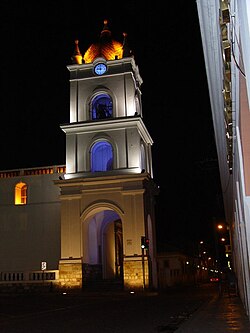
During the colonial period, Catholicism was more than a religion; it was the defining ethos of Hispanic culture. The Church held immense power, operating as the primary institution responsible for education and the care of the impoverished. To maintain ideological control, the Office of the Inquisition—a judicial body established to combat heresy—was used to examine the "purity" of those seeking public office.
Financial influence was equally significant. Through a combination of dowries, donations, and direct purchases, the Church amassed vast wealth. Assets were held across all levels of the organization, including the high hierarchy, individual clerics, and various religious orders.
The Shift Toward Secularism
The early 20th century marked a turning point as liberal political movements gained momentum. The ascendancy of the liberals in 1905 led to a sharp reduction in the Church's privileges. The state began to assert its independence by establishing a public education system and allowing representatives of other faiths to enter the country.
Economically, the state seized most of the Church's rural properties and formally abolished tithes (mandatory contributions to the church), though some hacienda owners continued the practice illegally. This transition toward a secular state was codified in the constitutions of 1945 and 1979, which firmly established the separation of church and state and guaranteed freedom of religion.
Social Activism and the Modern Era
By the 1960s, the role of the Catholic bishops shifted from maintaining the status quo to advocating for the marginalized. Church leaders launched literacy campaigns for Indigenous populations, helped peasants secure land titles, and distributed remaining church lands to create community cooperatives.
Throughout the 1970s and 1980s, the episcopate adopted a centrist political stance. While they argued that the unjust structure of Ecuadorian society caused widespread misery and that economic growth had only widened the gap between the rich and the poor, they remained cautious. The Church explicitly warned its followers against using Marxian analyses of society or endorsing class conflict and violence.
Conflict and Reform
The Church's push for social reform often put it at odds with the government. A notable instance occurred in 1976 in Chimborazo Province, where police arrested Bishop Leonidas Proaño Villalba—the most vocal critic of the political establishment—along with sixteen other Latin American bishops. The Minister of Interior accused them of discussing subversive topics and interfering in internal politics, eventually expelling the foreign bishops while releasing Proaño.
However, the Church was not a monolith. Conservative factions, such as the Committee of Young Christians for Christian Civilization, opposed these shifts, arguing that agrarian reform laws were "anti-Christian" and confiscatory.
Key Facts
- Colonial Role: The Church was the sole provider of education and social welfare during the colonial era.
- 1905 Liberal Shift: Led to the seizure of rural properties and the abolition of tithes.
- Constitutional Rights: The 1945 and 1979 constitutions established religious freedom and the separation of church and state.
- Social Initiatives: In the 1960s, bishops focused on literacy and land titles for peasants and Indigenous people.
- Political Tension: Bishop Leonidas Proaño Villalba was arrested in 1976 for his outspoken criticism of society.
| Period/Year | Key Development | Impact |
|---|---|---|
| Colonial Era | Dominance of Catholicism | Control over education, welfare, and political purity. |
| 1905 | Liberal Ascendancy | Loss of rural lands and end of official tithes. |
| 1945 & 1979 | Constitutional Reforms | Legal separation of church and state. |
| 1960s | Social Activism | Literacy campaigns and land redistribution. |
| 1976 | Political Conflict | Arrest of Bishop Proaño and expulsion of foreign prelates. |
Frequently Asked Questions
What was the role of the Office of the Inquisition in colonial Ecuador?
The Office of the Inquisition was used by the church to examine the "purity" of individuals who were potential officeholders, ensuring they adhered to the established religious and cultural norms of the time.
How did the liberal movement of 1905 affect the Church?
The liberal ascendancy resulted in the state seizing most of the church's rural properties, the establishment of public education, the abolition of tithes, and the admission of other religions into the country.
Who was Leonidas Proaño Villalba?
He was the Bishop of Riobamba and the most outspoken critic of Ecuadorian politics and society within the episcopate, known for his support of social reform which led to his arrest in 1976.
Did the Church support Marxism during its social reform period?
No. While the bishops criticized the gap between rich and poor and the unjust organization of society, they specifically warned Catholics against endorsing violence, class conflict, or Marxian analyses.
How did the Church help the poor in the 1960s?
The Church organized literacy campaigns for Indigenous people, assisted peasants in obtaining land titles, distributed its own remaining lands, and helped communities establish cooperatives.