Castilians: History, Language, and Cultural Identity
The Castilians (Spanish: castellanos) are the inhabitants of Castile, a historical region located in the heart of central Spain. Defined by a complex history of expansion and cultural synthesis, the Castilian identity is deeply intertwined with the formation of the modern Spanish state and the global spread of the Spanish language.
Defining the Castilian Region
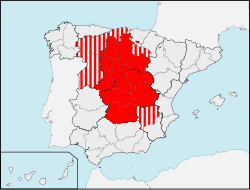
Determining the exact boundaries of the Castilian territory remains a subject of historical and cultural debate. While most commonly associated with the sparsely populated inner plateau of the Iberian Peninsula, the region is geographically divided by the Sistema Central mountain range into two distinct areas: "Old Castile" in the north and "New Castile" in the south.
The modern interpretation of the region often includes Castile and León, Castile-La Mancha, and the Community of Madrid. However, the inclusion of areas such as the Region of León, Cantabria, La Rioja, and the provinces of Albacete and Ciudad Real is often contested due to the strong, unique cultural identities held by the inhabitants of those specific regions.
Historical Expansion and the New World
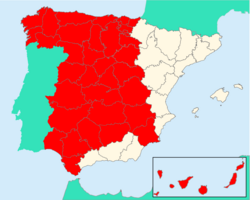
During the Middle Ages, the Kingdom of Castile (which later became the Crown of Castile) expanded significantly across the Iberian Peninsula through the Reconquista—the centuries-long effort by Christian kingdoms to reclaim territory from Muslim rule. This expansion pushed Castilian influence predominantly toward the southern regions of Spain.
By the late 15th century, this influence extended far beyond Europe. The Spanish colonization of the Americas led to the migration of Castilians to the New World, where they established their culture, traditions, and language, laying the foundation for the modern Hispanophone world.
The Evolution of the Castilian Language
The native tongue of the Castilians is Castilian (castellano), known globally as Spanish. The language originated around the 8th and 9th centuries in northern Spain, specifically south of the Cordillera Cantábrica and including the upper Ebro valley. While its roots lie in the Vulgar Latin of the Roman Empire, it was shaped by Arabic influences and potentially Basque.
The first written standard of the language was developed in the 13th century in Toledo. As the Reconquista progressed southward, Castilian replaced local dialects, including Arabic and Mozarabic (a set of related Latin dialects spoken in Moorish-controlled zones), absorbing various traits from these languages in the process.
Throughout history, Castilian served as the language of the Crown and the official language of Spain. During the Francoist State (1939–1975), the government attempted to suppress regional languages to establish Castilian as the sole official tongue, a move that later sparked a cultural backlash in various regions after the regime's end.
Religion and Demographics
Castilian culture is profoundly linked to Roman Catholicism. This dominance is the result of historical Christian settlement and the forced assimilation of religious minorities, specifically Jews and Muslims, during the Spanish Inquisition. Today, while Catholicism remains the religion of the overwhelming majority, minority faiths such as Islam, Judaism, Protestantism, and Orthodox Christianity exist as a result of immigration or recent conversions.
Key Facts
- Core Region: The inner plateau of central Spain, split into Old and New Castile by the Sistema Central.
- Language: Castilian (Spanish), derived from Vulgar Latin with Arabic and Basque influences.
- Historical Reach: Expanded via the Reconquista in Spain and later through the colonization of the Americas.
- Primary Religion: Predominantly Latin Catholicism.
- Modern Distribution: Primarily located in Castile and León, Castile-La Mancha, and the Community of Madrid.
| Category | Details |
|---|---|
| Primary Language | Castilian (Spanish) |
| Main Religious Affiliation | Roman Catholicism |
| Key Historical Entities | Kingdom of Castile, Crown of Castile |
| Geographic Focus | Central Spanish Plateau (Meseta) |
| Related Ethnic Groups | Leonese, Riojans, Extremadurans, Andalusians, Valencians, Murcians, Cagots |
Frequently Asked Questions
What is the difference between Castilian and Spanish?
In many contexts, they are the same language. Castilian (castellano) refers specifically to the dialect that originated in the region of Castile, which became the official language of Spain and was exported to the Americas. Outside of Spain and some Latin American countries, it is most commonly referred to as Spanish.
Where exactly is the region of Castile located?
Castile is located in central Spain. It is traditionally divided into "Old Castile" in the north and "New Castile" in the south, separated by the Sistema Central mountain range. Modern administrative regions associated with it include Castile and León and Castile-La Mancha.
How did the Castilian language spread to the Americas?
The language was brought to the New World by Castilian Conquistadors during the period of Spanish colonization starting in the late 15th century, eventually creating the global Hispanophone world.
Why is the boundary of the Castilian region disputed?
The boundaries are disputed because not everyone living in the former territories of the Kingdom or Crown of Castile identifies as Castilian. Regions like Cantabria, La Rioja, and the Region of León often maintain a strong sense of their own unique cultural identity.
What influenced the development of the Castilian language?
Castilian evolved from Vulgar Latin and was significantly influenced by Arabic due to the Moorish presence in the peninsula, and potentially by the Basque language.