Third International Congress of the Spanish Language
In November 2004, the city of Rosario, Argentina, became the epicenter of a global conversation regarding one of the world's most spoken languages. The Third International Congress of the Spanish Language (Tercer Congreso Internacional de la Lengua Española) was held from November 17 to 19, serving as a high-profile cultural gathering to examine the evolution and impact of the Spanish language.
Core Objectives and Themes
The Congress was structured around three primary pillars designed to analyze the language from sociological, artistic, and global perspectives:
- Ideological and sociological aspects of linguistic identity: Examining how the language shapes and reflects the identity of its speakers.
- Identity and language in literary creation: Exploring the intersection of linguistic expression and the art of writing.
- The internationalization of Spanish: Discussing the spread and standardization of the language on a global scale.
Distinguished Guests and Lecturers
The event drew an array of political leaders and intellectual giants. Representing the Spanish monarchy were King Juan Carlos I and Queen Sofía, while Argentine President Néstor Kirchner represented the host nation's government. The gathering also included the presidents of Mexico and Colombia, alongside various other representatives from Spanish-speaking nations.
The intellectual weight of the Congress was bolstered by a lineup of renowned guest lecturers, including Nobel Prize winner José Saramago, and acclaimed writers Carlos Fuentes, Ernesto Cardenal, and Ernesto Sábato. Adding a touch of local wit and cultural commentary, Rosario-born novelist and humorist Roberto Fontanarrosa led a spirited debate on the role of insults in interpersonal communication.
Key Facts
- Dates: November 17-19, 2004.
- Location: Rosario, Argentina.
- Key Political Figures: King Juan Carlos I, Queen Sofía, Néstor Kirchner, and the presidents of Mexico and Colombia.
- Notable Intellectuals: José Saramago, Carlos Fuentes, Ernesto Cardenal, and Ernesto Sábato.
- Primary Focus: Linguistic identity, literary creation, and internationalization.
Controversies and Counter-Movements
Despite its prestige, the Congress was not without conflict. It faced significant opposition from activist groups representing ethnic and linguistic minorities. These critics viewed the event through the lens of the Spanish conquest, arguing that the dominance of the Spanish language was a legacy of colonization that led to the decline of native languages and cultures.
The event became a focal point for various left-wing movements, including anti-globalization sympathizers and historical revisionists who questioned the roles of the Spanish Crown and the Church in the Americas.
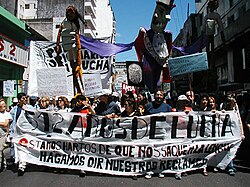
In response to these tensions, a parallel gathering known as the Congreso de laS LenguaS was organized. Presided over by Nobel Peace Prize laureate Adolfo Pérez Esquivel, this alternative forum focused specifically on linguistic and cultural diversity within the region, challenging the centralized narrative of the main Congress.
Event Summary
| Category | Details |
|---|---|
| Host City | Rosario, Argentina |
| Timeline | November 17-19, 2004 |
| Main Themes | Linguistic identity, Literature, Internationalization |
| Parallel Event | Congreso de laS LenguaS |
| Key Opposing View | Impact of colonization on native languages |
Frequently Asked Questions
Where and when did the Third International Congress of the Spanish Language take place?
The event was held in Rosario, Argentina, from November 17 to 19, 2004.
Who were some of the most notable speakers at the event?
The Congress featured prominent intellectuals such as Nobel laureate José Saramago, Carlos Fuentes, Ernesto Cardenal, Ernesto Sábato, and Roberto Fontanarrosa.
What were the primary topics of discussion?
The discussions focused on the internationalization of Spanish, the role of language in literary creation, and the sociological and ideological aspects of linguistic identity.
Why was the Congress protested?
Activists and minority groups protested the event to highlight the cultural and linguistic dominance resulting from the Spanish colonization of the Americas and the subsequent loss of indigenous languages.
What was the Congreso de laS LenguaS?
It was a counter-event presided over by Adolfo Pérez Esquivel that aimed to discuss and promote linguistic and cultural diversity in the region.