Car Sharing: The Evolution of Modern Urban Mobility
Car sharing (also known as car clubs in the UK) is a model of short-term vehicle rental that allows people to access cars for brief periods, often by the hour. Unlike traditional rental agencies, car sharing typically leverages mobile apps for self-service pickup and return, removing the need to visit a physical office. This system is a core component of shared mobility, a broader trend aimed at reducing private vehicle ownership in favor of shared access.
The industry operates through various models. In business-to-consumer (B2C) setups, a commercial company owns and manages the fleet. In peer-to-peer (P2P) models, private individuals list their own vehicles through a facilitator or cooperative. This flexibility has transformed how city dwellers navigate urban environments, shifting the focus from owning a car to accessing a service.
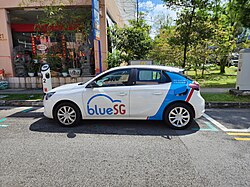
Key Facts
- Market Value: The 2024 global market was valued between US$ 4.7 billion and 8.9 billion.
- Growth Projections: The market is expected to reach between US$ 14.3 billion and 24.4 billion by 2033.
- Regional Leader: Europe held the highest market share in 2024 at 38%.
- Environmental Impact: Car clubs can reduce carbon emissions by up to 18% due to newer fleets and reduced driving.
- Ownership Reduction: Research indicates one shared car can replace between 5 and 32 private vehicles, depending on the region.
The History of Car Sharing
European Cooperative Origins (1940s–1970s)
The concept of car sharing first emerged in Europe during the late 1940s. These early iterations were primarily cooperative efforts designed to share the costs and benefits of vehicle use among small groups.
Growth and North American Expansion (1980s–1990s)
The 1980s and 1990s saw a resurgence of membership-based programs. In Germany, non-profit cooperatives like StattAuto established viable operational models, with similar initiatives appearing in Sweden and the Netherlands. North America experienced a slower start; early attempts in San Francisco and other cities were short-lived. However, the movement gained traction in the 1990s with the 1994 founding of Communauto in Quebec City, Canada, and the 1998 launch of CarSharing Portland in Oregon.
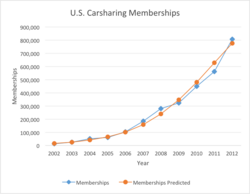
Commercialization and Tech Disruption (2000s–2010s)
The turn of the millennium marked a shift toward commercialization. Zipcar, founded in 2000 in Massachusetts, popularized the Station-Based model. By 2010, Zipcar controlled 80% of the U.S. market and half of the global car-sharing population.
The introduction of smartphones and GPS around 2008 led to the Free-Floating (One-Way) model, pioneered by services like Car2go. This allowed users to pick up and drop off cars anywhere within a designated zone. Simultaneously, P2P platforms like Turo and Getaround emerged, allowing private owners to monetize their personal vehicles. Traditional rental giants also entered the fray, with Avis, Hertz, U-Haul, and Enterprise launching their own sharing services.
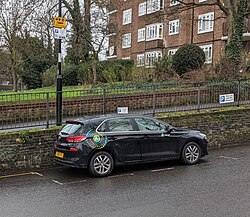
By the mid-2010s, the trend went global, expanding into Brazil (with Zarcar founded in 2009), Mexico, Turkey, China, and India. In Moscow, for example, car-sharing journeys averaged 30,000 per day between January and September 2018.
![Yandex.Drive, the largest car sharing operator in Russia, uses mobile fuel trucks to refuel its vehicle fleet.[26]](/images/17/16/1716290111447db58f111d4c6d7c60b4c966f3654feb1c21d787c97e88ea00dd.jpg)
Types of Car Sharing Models
Business-to-Consumer (B2C)
In B2C models, a company manages the entire fleet. This is further divided into two main styles:
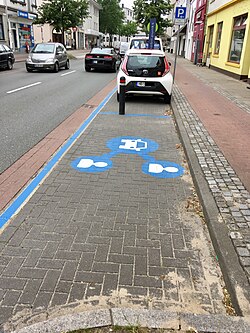
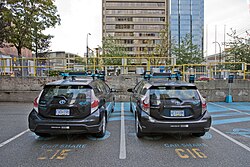
- Round Trip / Station-Based: Vehicles are parked at designated spots and must be returned to the same location.
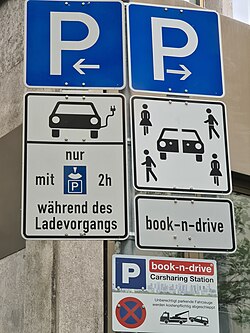
- One-Way / Free-Floating: Users can leave the car anywhere within a service zone. By 2019, these services accounted for over 65% of car-sharing membership in Europe.
Peer-to-Peer (P2P)
P2P sharing connects private car owners with renters via a digital platform. This model expands the available fleet without requiring the operator to purchase vehicles.
Corporate Car Sharing
Some organizations implement internal car-sharing fleets to manage corporate travel more efficiently, reducing the need for company-owned cars for every executive.

Market Trends and Future Outlook
The car-sharing industry is poised for significant growth. While Europe currently leads in adoption, the Asia-Pacific region is projected to see the highest growth rate (15.8% from 2025 to 2033), driven by rapid urbanization and smartphone penetration in China, Japan, and South Korea. Emerging markets in Latin America, the Middle East, and Africa are also expanding due to regulatory changes and economic development.
Industry forecasts suggest that by the end of 2029, global membership could reach 138.3 million users with a total fleet of approximately 755,000 vehicles.
Environmental and Social Impact
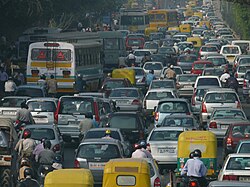
Car sharing has a measurable impact on urban sustainability. By providing a viable alternative to ownership, car clubs encourage users to rely more on public transport. Studies show that 20% of members give up their private cars entirely, while 40% avoid buying a new one.
The environmental benefits are twofold: the use of newer, more efficient vehicles and a general reduction in total miles driven. Members typically report driving 40–60% fewer miles, which contributes to lower carbon emissions and reduced traffic congestion in densely populated cities.

| Metric | 2024 Estimate | 2033 Projection |
|---|---|---|
| Global Market Size | US$ 4.7B – 8.9B | US$ 14.3B – 24.4B |
| European Market Share | 38% | Expected €4-5B by 2030 |
| Global Membership (by 2029) | - | 138.3 Million |
| Global Fleet Size (by 2029) | - | ~755,000 Vehicles |
Frequently Asked Questions
What is the difference between car sharing and carpooling?
Car sharing involves the short-term rental of a vehicle (often by the hour) via a service or app. Carpooling is the act of multiple people sharing a single journey in one vehicle to save costs or reduce traffic.
What is free-floating car sharing?
Free-floating car sharing is a one-way model where users can pick up a vehicle and drop it off anywhere within a defined service zone, rather than returning it to a specific home station.
How does car sharing help the environment?
It reduces the total number of cars on the road by allowing one shared vehicle to replace multiple private ones. Additionally, shared fleets often use newer, lower-emission vehicles, and members tend to drive significantly fewer miles.
Which region is currently the leader in car sharing?
Europe was the global leader in 2024, holding the highest adoption rate and a market share of 38%.
What is Peer-to-Peer (P2P) car sharing?
P2P car sharing is a model where private individuals rent out their own personal vehicles to others through a facilitator platform, such as Turo or Getaround.