Transport Systems: The Foundations of Global Movement and Trade
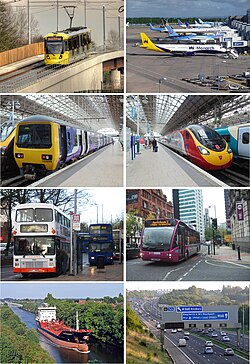
Transport, known as transportation in American English, is the intentional movement of humans, animals, and goods from one location to another. This fundamental process serves as a cornerstone for human trade, which is essential for the development of civilizations and the advancement of global economies.
The complex field of transport is generally divided into three core pillars: infrastructure (the fixed installations), vehicles (the means of movement), and operations (the management and policy governing movement).
Key Facts
- Transport modes include air, land (rail and road), water, cable, pipelines, and space.
- Infrastructure consists of fixed installations like roads, railways, airways, and waterways.
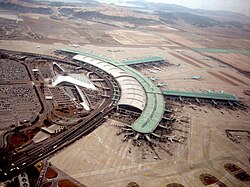
- Terminals such as airports, seaports, and warehouses facilitate the interchange of passengers and cargo.
- Sustainable development goals (SDGs) are actively promoting greener transport solutions globally.
- The field encompasses various functions, including passenger, medical, freight, and industrial transport.
Core Components of Transport
Transport Infrastructure
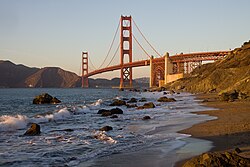
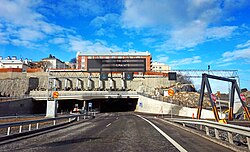
Infrastructure refers to the permanent, fixed installations required to support movement. This includes physical networks such as roads, railways, waterways, canals, and pipelines. Additionally, infrastructure includes terminals—specialized locations like airports, railway stations, bus stations, seaports, and trucking terminals. These terminals serve dual purposes: the interchange of passengers and cargo, and the maintenance of vehicles.
Means of Transport
The means of transport are the specific facilities used to carry people or cargo. These can be categorized into several types:
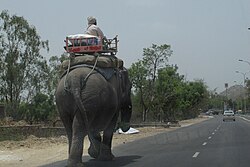
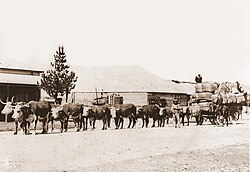
- Animals: Riding animals and pack animals used for traction or carrying loads.
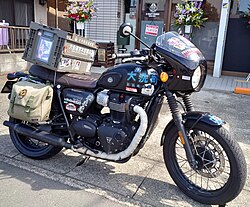
- Vehicles: A wide array of technology including bicycles, automobiles, buses, trains, trucks, aircraft, watercraft, and spacecraft.
![Human-powered transport remains common in developing countries.[14][15]](/images/a4/9b/a49bdf1257640096576f521a24cb15b89094bf1432d29da2478b622baa67b6cb.jpg)
Modes of Transport
Transport is categorized by the medium through which movement occurs:
Land Transport
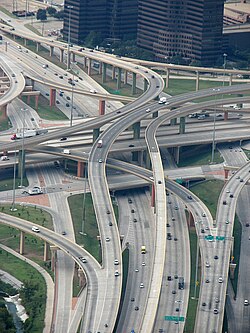
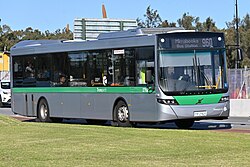
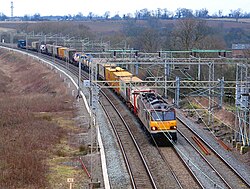
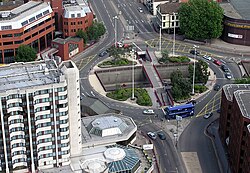
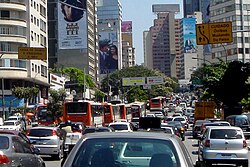
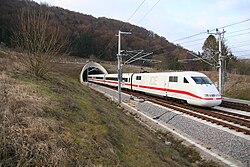
Land transport is one of the most prevalent modes and is subdivided into road and rail. Road transport utilizes vehicles like cars and trucks, while rail transport relies on trains and specialized tracks.

Air and Water Transport
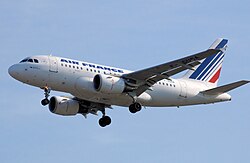
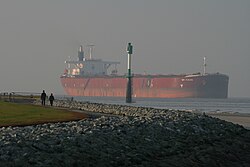
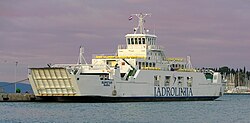
Air transport provides rapid long-distance movement for people and express goods. Water transport remains vital for heavy cargo and international trade via oceans and rivers.
Other Specialized Modes
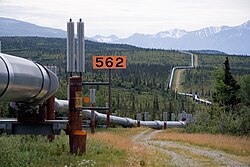
Beyond traditional land, air, and sea, other modes exist, including cable transport (such as elevators, escalators, and gondola lifts), pipelines for liquids and gases, and the emerging frontier of space transport.

Historical Evolution and Sustainability
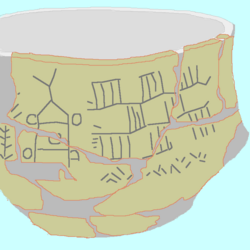
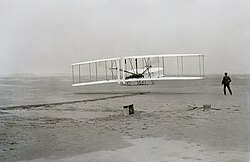
The history of transport has transitioned from natural and animal-powered methods to sophisticated mechanical systems. A major milestone occurred in 1903 when the Wright brothers demonstrated the first successful controllable airplane. Following World War I, aircraft became a primary method for fast, long-distance transport.
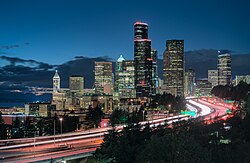
Today, the focus has shifted toward sustainable development. Various United Nations Sustainable Development Goals (SDGs) aim to improve transport, including SDG 3 (road safety), SDG 9 (resilient infrastructure), and SDG 11 (sustainable cities). Efforts are being made to increase energy efficiency and reduce the environmental impact of transport sectors.
Summary of Transport Modes and Usage
| Category | Common Examples | Primary Function |
|---|---|---|
| Road | Cars, Trucks, Buses | Personal and freight movement |
| Rail | Trains, High-speed rail | Mass passenger and heavy freight |
| Air | Airplanes, Helicopters | Rapid long-distance travel |
| Water | Ships, Boats, Ferries | Global trade and heavy cargo |
Frequently Asked Questions
What is the difference between transport and transportation?
There is no functional difference; "transport" is the standard term in British English, while "transportation" is used in American English.
What are the main components of a transport system?
A transport system consists of infrastructure (fixed installations), vehicles (the means of movement), and operations (the management and policy).
How does transport impact the environment?
Transport can impact the environment through emissions and resource use. This has led to the development of sustainable transport goals to improve energy efficiency and reduce ecological footprints.
What is the role of terminals in transport?
Terminals, such as airports or seaports, serve as critical points for the interchange of passengers and cargo, as well as locations for vehicle maintenance.
What are sustainable development goals related to transport?
Key goals include SDG 3 for road safety, SDG 9 for resilient infrastructure, and SDG 11 for providing access to sustainable public transport in cities.