Cannabis: Science, History, and Global Legal Status
Cannabis is a complex plant genus originating from Central or South Asia, widely recognized for its psychoactive properties and diverse applications. Whether used for medical, recreational, or spiritual purposes, the plant has left a significant mark on human history and continues to be a focal point of global legal and scientific debate.
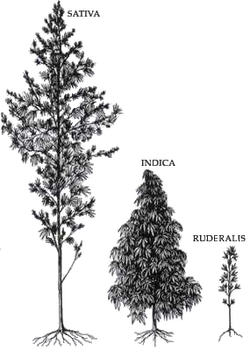
The plant is primarily categorized into three species: Cannabis sativa, Cannabis indica, and Cannabis ruderalis. The most utilized parts of the plant are the flowers and fruit, which contain the active chemical compounds known as cannabinoids.
Key Facts
![Addiction experts in psychiatry, chemistry, pharmacology, forensic science, epidemiology, and the police and legal services engaged in delphic analysis regarding 20 popular recreational drugs. Cannabis was ranked 11th in dependence, 17th in physical harm, and 10th in social harm.[78]](/images/34/5d/345d63dbbe524b7aac0d59eeb05ff59604ca4f9648fcd65076e6d9fc3dce563d.webp)
- Active Ingredients: The primary psychoactive compound is Tetrahydrocannabinol (THC), alongside Cannabidiol (CBD), Cannabinol (CBN), and Tetrahydrocannabivarin (THCV).
- Global Reach: In 2015, global users were estimated to be between 128 million and 238 million.
- Mechanism: Most consumption methods require heat to decarboxylate THCA (tetrahydrocannabinolic acid) into the active THC.
- Harm Ranking: In a delphic analysis of 20 popular drugs, cannabis ranked 11th in dependence, 17th in physical harm, and 10th in social harm.
Chemical Composition and Pharmacology
The effects of cannabis are driven by its chemical composition. While THC is responsible for the "high" associated with the plant, CBD is often studied for its non-psychoactive therapeutic potential. The potency of these compounds can vary significantly between different strains and preparations.
Common Preparations
Cannabis is processed into various forms depending on the intended use:
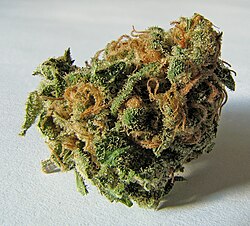
- Marijuana: Dried flower buds.
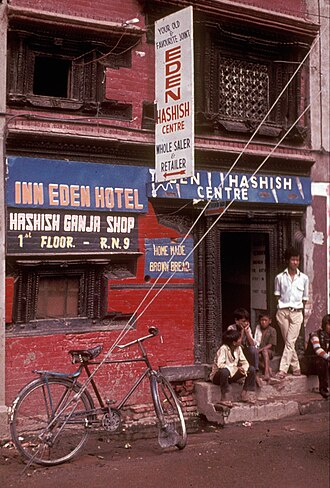
- Hashish: Concentrated resin.
- Kief: The resin glands (trichomes) separated from the plant.
- Hash Oil and Tinctures: Highly concentrated extracts.
- Infusions: Cannabis compounds infused into fats, such as dairy butter.
Consumption and Effects
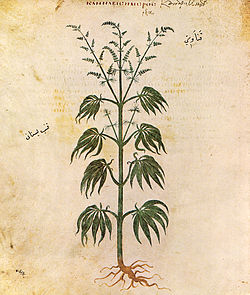
Cannabis is consumed through various modes, most commonly via inhalation or ingestion. Inhalation typically involves heating the plant material to activate the THC.
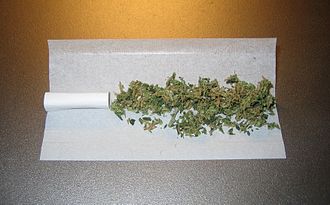
Short-Term and Long-Term Effects
The short-term physical effects of cannabis can vary by individual and dose, often impacting motor coordination and sensory perception.
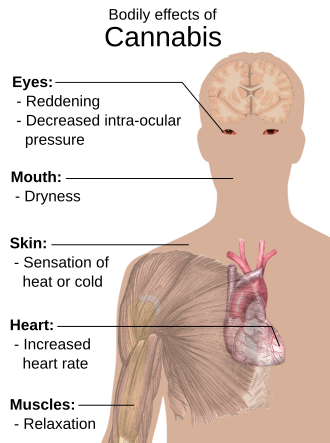
Long-term use is associated with several psychological and physical considerations. Research has explored links between heavy use and cognitive dysfunction, as well as an association with the risk of psychosis and schizophrenia. Physical health concerns include respiratory issues related to smoking and potential cardiovascular risks.
History and Cultural Evolution
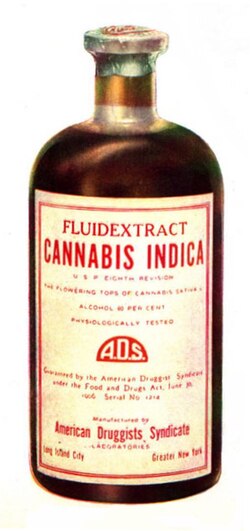
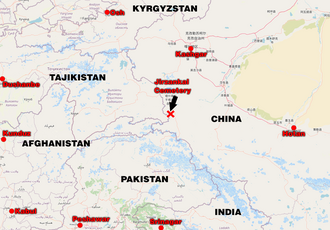
The use of cannabis dates back millennia. Some of the earliest evidence of cannabis smoking has been discovered in ancient tombs, such as those at the Jirzankal Cemetery.
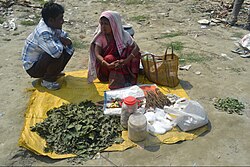
Throughout history, the plant has been integrated into various cultures. In India, for example, the preparation of bhang (a cannabis-based drink) remains a customary practice during the Holi festival.
![Process of making bhang in a village in Punjab, India. On the Indian festival of colors, Holi, it is a customary addition to some intoxicating drinks.[242]](/images/ba/9a/ba9ae0bcc43c2407ba8fab81419d6ed7c49fdc6bb0a04339e8543b30b9b66798.jpg)
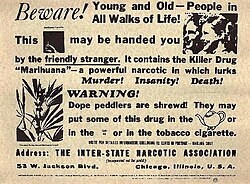
The modern era has seen a dramatic shift in perception, moving from early medicinal use in pharmacies to periods of intense anti-cannabis propaganda in the mid-20th century, and finally toward a trend of decriminalization and legalization in many parts of the world.
Global Legal Status
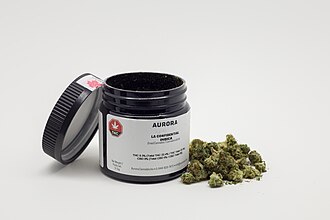
The legal status of cannabis varies wildly by jurisdiction. While the United Nations classifies cannabis and its resins under Narcotic Schedule I, individual countries have adopted diverse approaches.
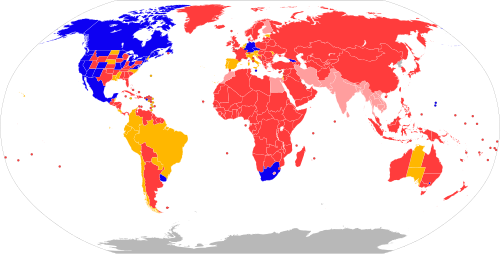
| Region/Country | Legal Status |
|---|---|
| Canada | Unscheduled (Legalized) |
| Germany | Legal under Cannabisgesetz |
| United Kingdom | Class B (Controlled) |
| Australia | S8 (Controlled drug) |
| Brazil | Class E (Controlled plants) |
| New Zealand | Class B (Concentrate) / Class C (Plant) |
Frequently Asked Questions
What is the difference between THC and CBD?
THC (Tetrahydrocannabinol) is the primary psychoactive compound that produces the intoxicating effect, while CBD (Cannabidiol) is non-psychoactive and is often used for its potential therapeutic properties.
Why does cannabis need to be heated?
Heating is required for a process called decarboxylation, which converts THCA (the acidic, non-psychoactive form found in the raw plant) into THC, the active compound that affects the brain.
Is cannabis addictive?
While not as physically addictive as some other substances, cannabis can lead to dependence. In a comparative analysis of 20 drugs, it was ranked 11th in terms of dependence potential.
What are the most common forms of cannabis?
The most common forms include dried flower buds (marijuana), concentrated resin (hashish), and liquid extracts such as tinctures or hash oil.
Where did cannabis originate?
Cannabis is believed to have originated in Central or South Asia.