Medical Cannabis: Therapeutic Uses, Research, and Legal Status
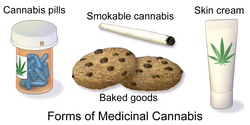
Medical cannabis, also referred to as medicinal cannabis or medical marijuana (MMJ), encompasses a variety of cannabis-derived products and specific cannabinoid molecules prescribed by physicians to treat various health conditions. While the use of cannabis as a therapeutic agent has a long historical precedent, its integration into modern medicine has been complicated by legal and governmental restrictions. These barriers have historically limited the rigorous testing required to fully define the safety and efficacy of cannabis in treating specific diseases.
Current scientific evidence regarding the benefits of cannabis-based medicines remains mixed and often inconclusive. While some patients report significant relief, the overall quality of evidence is generally rated as low-to-moderate. Clinical reviews suggest that while there may be modest benefits for certain conditions, these must be carefully weighed against established risks and potential adverse effects.
Key Facts
- Prescription-Based: Medical cannabis involves products or molecules prescribed by licensed physicians.
- Pain Management: May provide modest relief for chronic pain, particularly neuropathic pain (pain caused by nerve damage).
- Evidence Quality: Much of the current clinical evidence is considered low-to-moderate quality and inconsistent.
- Common Side Effects: Short-term use can lead to dizziness, fatigue, vomiting, and hallucinations.
- Legal Variability: Legal status varies significantly worldwide, ranging from full medical authorization to strict prohibition.
Medical Uses and Clinical Research
Research into the therapeutic application of cannabis focuses on several primary areas, though results are often inconsistent across different trials.
Pain and Insomnia
Cannabis-based medicines may offer modest relief for chronic pain and slight improvements in sleep and general function for chronic pain patients. However, some researchers note that placebo effects may influence these outcomes and that mild harms could potentially outweigh the benefits.
Nausea, Vomiting, and HIV/AIDS
Cannabinoids have been utilized to manage nausea and vomiting, particularly in patients undergoing chemotherapy. Additionally, research has explored its use in managing symptoms associated with HIV/AIDS, such as anorexia and weight loss.
Neurological and Mental Health
Studies have investigated the impact of cannabis on various neurological conditions and mental health disorders. However, recent clinical reviews emphasize that evidence remains insufficient to support the use of cannabinoids for most medical indications.
Adverse Effects and Safety
The use of medical cannabis is associated with both short-term and potential long-term risks.
Short-Term Side Effects
Immediate adverse effects can range from minor to major. The most frequently reported side effects include:
- Dizziness
- Fatigue and tiredness
- Vomiting
- Hallucinations
Long-Term Concerns
The long-term effects of cannabis use are not yet fully understood, but medical professionals have raised concerns regarding:
- Cognitive impairment and memory problems.
- The risk of addiction.
- The potential for triggering schizophrenia in young people.
- Accidental ingestion by children.
Pharmacology and Administration
The medical application of cannabis involves complex pharmacological processes, including how the body absorbs, distributes, metabolizes, and excretes the active compounds.
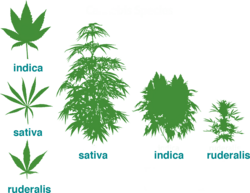
Modern medical cannabis has evolved from ancient landrace strains—wild varieties that evolved in specific geographic regions—to highly cultivated modern strains designed for specific therapeutic profiles.
Legal Status and Global Distribution
The legal landscape for medical cannabis is highly fragmented. While some countries allow full physician-authorized access, others have decriminalized use or maintain strict prohibitions.
In the United States, laws vary by state, while countries like Germany, Canada, and Australia have established various frameworks for medical access. Internationally, the UN has previously reclassified cannabis to reflect a lower danger profile compared to other controlled substances.
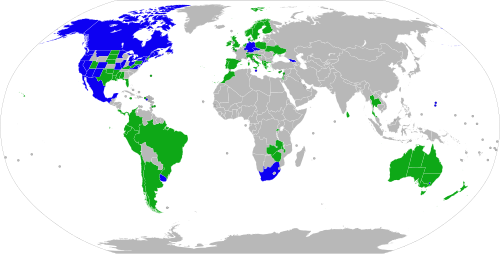
Distribution typically occurs through specialized medical marijuana dispensaries or pharmacies, depending on the local jurisdiction.

Summary of Licensed Cannabinoid Medications
| Generic Name | Brand Name(s) | Country (Non-exhaustive) | Licensed Indications |
|---|---|---|---|
| Nabilone | Cesamet | U.S., Canada | Not specified in source |
| Dronabinol | Marinol, Syndros | U.S. | Anorexia associated with AIDS-related weight loss |
| Nabiximols | Sativex | Canada, New Zealand, majority of EU | Not specified in source |
Frequently Asked Questions
What is the difference between medical cannabis and recreational cannabis?
Medical cannabis consists of cannabis products and cannabinoid molecules specifically prescribed by physicians for the treatment of medical conditions, whereas recreational cannabis is used for non-medical purposes.
Is medical cannabis effective for chronic pain?
Evidence suggests it may provide modest relief, particularly for neuropathic pain, but the results are inconsistent and the quality of evidence is generally low-to-moderate.
What are the most common side effects of medical cannabis?
The most common short-term side effects include dizziness, feeling tired, vomiting, and hallucinations.
Are there risks associated with long-term cannabis use?
Potential long-term concerns include memory and cognition problems, the risk of addiction, and the potential development of schizophrenia in young people.
Which countries have legalized medical cannabis?
Many countries have legalized it in some form, including Canada, Germany, Australia, New Zealand, and various nations across the European Union, though the specific laws and access levels vary by country.