Byblos: One of the World's Oldest Continuously Inhabited Cities
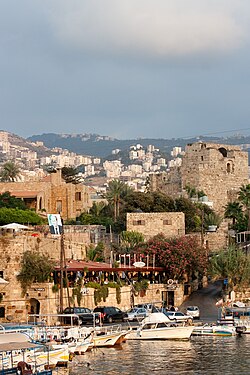
Perched on the Mediterranean coast of Lebanon, Byblos (also known as Jbail or Jebeil) stands as a living testament to human civilization. Believed to have been first settled between 8800 and 7000 BC and continuously inhabited since 5000 BC, it is regarded as one of the oldest cities in the world. From its origins as a Neolithic village to its prominence as a Phoenician maritime powerhouse, Byblos has been shaped by a succession of great empires, including the Egyptians, Assyrians, Persians, Romans, and Ottomans.
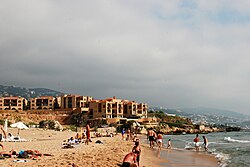
Today, this UNESCO World Heritage Site blends ancient ruins with a vibrant modern atmosphere, attracting historians and tourists alike to its sandy beaches and historic quarters.
Key Facts
- Location: Keserwan-Jbeil Governorate, Lebanon.
- Status: UNESCO World Heritage Site (inscribed 1984).
- Age: Initial settlement dates back to 8800–7000 BC.
- Etymology: Likely derived from gb (well) and ʾl (god), meaning "Well of the God."
- Population: Approximately 40,000 in the city and 100,000 in the metro area.
The Evolution of a City: From Neolithic to Bronze Age
The archaeological depth of Byblos provides a rare window into the transition from nomadic life to urban civilization. Early excavations by Ernest Renan in 1860, followed by Pierre Montet and Maurice Dunand, revealed a complex stratigraphy of human dwelling.
Prehistoric Foundations
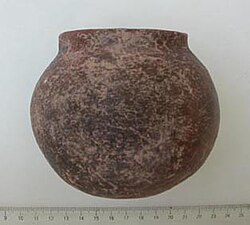
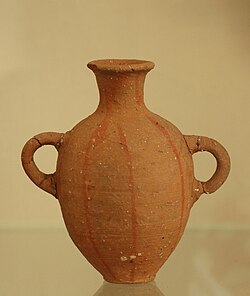
The site's earliest phases are categorized by the Pre-Pottery Neolithic B (PPNB) period (8800–7000 BC), characterized by plastered floors. Over millennia, the settlement evolved through the Middle and Late Neolithic periods, introducing pottery, stone vessels, and chamber tombs. By the Early Chalcolithic period (4500–3600 BC), the community utilized jar burials and produced distinct figurines.
The Rise of Urbanization
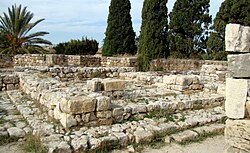
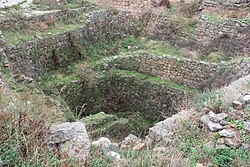
Urbanization accelerated during the Early Bronze Age. Between 3600 and 3300 BC, Byblos was a rural fishing village with a shrine at a natural spring. By 3300–3000 BC, it had transformed into a proto-urban town featuring a dedicated temple compound.
Imperial Influence and the Phoenician Era
Byblos maintained a deep relationship with Ancient Egypt, appearing in hieroglyphic records as early as the 4th-dynasty pharaoh Sneferu (c. 2600 BC). While Egyptian contact peaked during the 19th dynasty, the collapse of the New Kingdom in the 11th century BC allowed Byblos to emerge as a leading city of Phoenicia, a maritime civilization renowned for trade and seafaring.
Later, the city fell under the influence of the Assyrian Empire. By 738 BC, King Sibittibaal became a tributary to Tiglath-Pileser III, and the city remained subject to various Assyrian kings, including Sennacherib and Ashurbanipal, throughout the 8th and 7th centuries BC.
Classical Antiquity to the Ottoman Empire
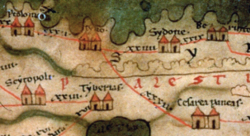
During the Roman period, Byblos saw the construction of a small theatre in the 3rd century. With the rise of Christianity, the city became a bishopric and experienced rapid growth. However, trade with Europe declined following the early Muslim conquests of 636 AD.
The Crusader Influence
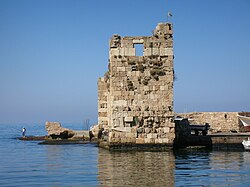
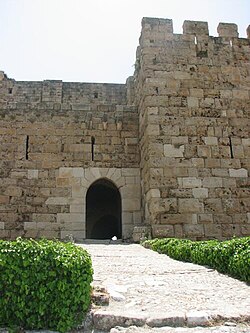
Prosperity returned in 1098 with the First Crusade. The Embriaco family established a residence at the Byblos Castle, which served as a vital military base. Although the city was captured by Saladin in 1187 and later by Baibars in 1266, the Embriacos maintained possession until approximately 1300.
Mamluk and Ottoman Rule
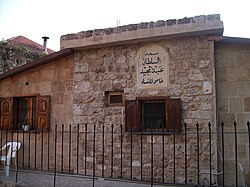
After surrendering to the Mamluks, the city's fortifications were restored by Baybars. From 1516 until 1918, Byblos was part of the Ottoman Empire, leaving a lasting architectural mark on the city, including the Sultan Abdulmejid mosque.
Modern Byblos and Tourism
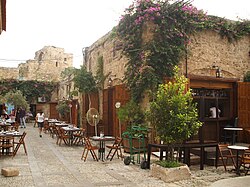
After a period under the French Mandate (1920–1943), Lebanon achieved independence. In recent years, Byblos has re-emerged as an upscale tourist hub. It is celebrated for its fish restaurants, open-air bars, and the picturesque contrast between its ancient walls and the Mediterranean sea.
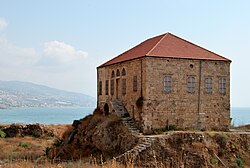
The city's cultural significance continues to be recognized globally. In 2012, Condé Nast Traveler ranked it the second-best city in the Middle East, and the World Tourism Organization named it the best Arab tourist city in 2013.
Archaeological and Historic Landmarks
The city is home to several critical sites that illustrate its long history:
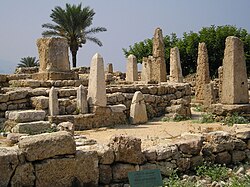
- Temple of the Obelisks: Built between 1600–1200 BC, this sanctuary once held gold-leaf bronze figurines and small obelisks used as religious offerings.
- The L-shaped Temple: An earlier structure upon which the Temple of the Obelisks was originally built.
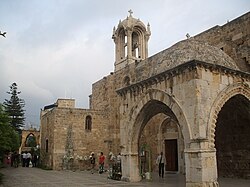
- St. John the Baptist Church: A Crusader-era cathedral started in 1115, later gifted to the Maronite bishop.
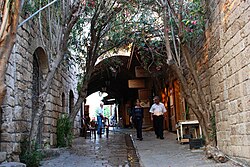
- The Old Souk: A traditional market reflecting the city's enduring commercial spirit.
| Era | Approximate Date | Key Characteristics |
|---|---|---|
| Early Neolithic | 8800–7000 BC | First settlements, plastered floors |
| Early Bronze Age | 3600–3000 BC | Transition from fishing village to proto-urban town |
| Phoenician Period | 11th Century BC onwards | Maritime trade dominance after Egyptian decline |
| Crusader Period | 1098–c. 1300 AD | Construction of the castle and military fortifications |
| Ottoman Period | 1516–1918 AD | Integration into the Ottoman Empire |
Frequently Asked Questions
Is Byblos really one of the oldest cities in the world?
Yes, archaeological evidence suggests the area was settled as early as 8800–7000 BC and has been continuously inhabited since 5000 BC, making it one of the oldest urban centers globally.
What does the name "Byblos" mean?
The name is believed to derive from the words gb (well) and ʾl (god), suggesting the meaning "Well of the God" or "Source of the God."
What is the significance of the Temple of the Obelisks?
Built between 1600 and 1200 BC, it served as a religious sanctuary where small obelisks were left as offerings and gold-leaf bronze figurines were kept.
Who were the Embriacos?
The Embriaco family were Crusaders who resided in the Byblos Castle and managed the fortified town as a military base until around 1300 AD.
How has Byblos been protected in recent years?
Due to its immense cultural value, UNESCO provided enhanced protection to Byblos and 33 other Lebanese sites during the 2024 Israeli invasion to safeguard them from damage.