Discover Busan: South Korea's Vibrant Coastal Metropolis
Nestled in the Yeongnam region of South Korea, Busan is a sprawling, dynamic metropolitan city that perfectly blends industrial strength with breathtaking coastal beauty. As a major maritime hub, it serves as a gateway to the world, yet it remains deeply rooted in Korean tradition, culture, and natural splendor.
From the neon-lit skylines of Haeundae to the historic serenity of ancient temples, Busan offers a diverse experience for every traveler. Whether you are exploring its world-class film industry, tasting fresh seafood at bustling markets, or hiking through lush mountain fortresses, this city promises an unforgettable journey.
Key Facts
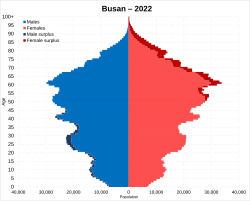
- Population: Approximately 3,285,147 (as of January 2026).
- Area: 770.04 km².
- Major Economy: Nominal GDP of KRW 114 trillion (US$ 91 billion) as of 2023.
- Official Symbols: Camellia (flower), Mackerel (fish), and Seagull (bird).
- Climate: Humid subtropical, with warm summers and cool winters.
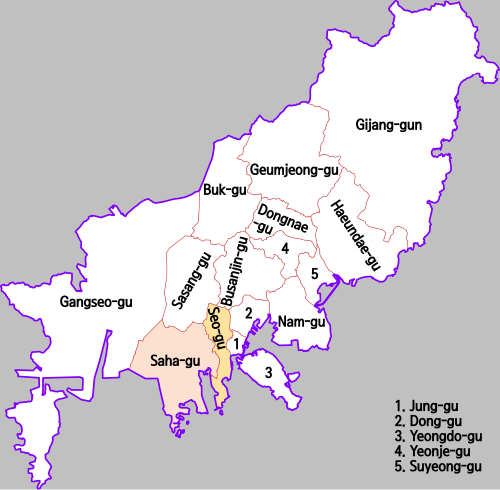
- Administrative Structure: Divided into 16 districts.
Geography and Climate
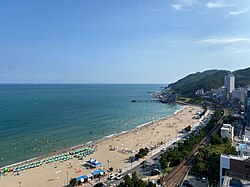
Busan is characterized by its unique coastal topography. The city's identity is inseparable from the sea, which drives both its economy and its lifestyle. The metropolitan area is densely populated, with a density of approximately 4,266.2 people per square kilometer.
The climate varies significantly throughout the year. Summers are warm and humid, with July and August seeing the highest precipitation and temperatures. Winters are relatively mild compared to northern South Korea, though occasional cold snaps can bring temperatures well below freezing. The city experiences its highest rainfall during the summer monsoon season, particularly in July.
Seasonal Weather Overview
| Month | Mean Max Temp (°C) | Mean Min Temp (°C) | Avg. Precipitation (mm) |
|---|---|---|---|
| January | 8.2 | −0.1 | 34.5 |
| April | 18.2 | 10.1 | 140.9 |
| July | 27.5 | 22.1 | 326.8 |
| October | 22.5 | 14.5 | 79.6 |
Culture, Attractions, and Lifestyle
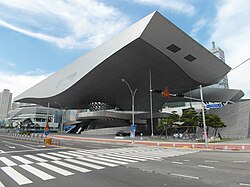
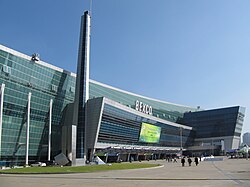
Busan is a cultural powerhouse, home to numerous museums, festivals, and historical sites. The city is a major center for the arts, hosting the Busan International Film Festival and the Busan Biennale. For cinema enthusiasts, the Busan Cinema Center stands as a landmark of the city's dedication to the moving arts.
Historical and Religious Sites
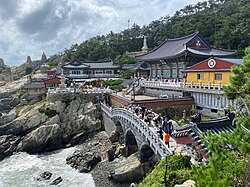
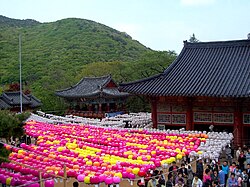
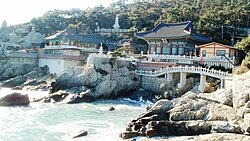
Beyond the modern skyline, Busan preserves much of Korea's spiritual heritage. Visitors can explore Beomeosa Temple, a significant Buddhist site, or the stunning seaside Haedong Yonggungsa temple. The city also features various fortresses and historical landmarks, such as the Dongnae Hyanggyo Confucian shrine-school and the Geumjeongsanseong Fortress.
Beaches and Urban Life
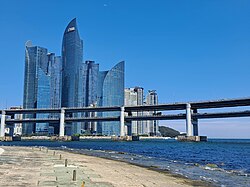
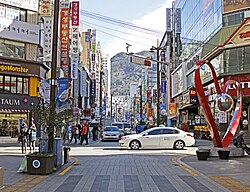
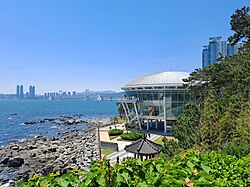
The coastline is the heart of Busan's leisure industry. Haeundae Beach is perhaps the most famous, known for its vibrant atmosphere and proximity to high-end developments like Haeundae Marine City. For a more relaxed vibe, Songjeong Beach offers a different coastal experience. In the urban center, districts like Seomyeon serve as bustling hubs for shopping, dining, and nightlife.
Economy and Infrastructure
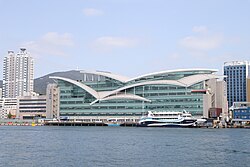
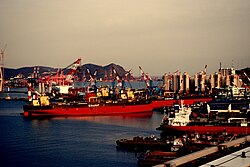
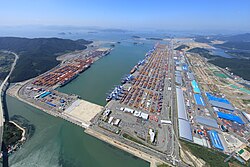
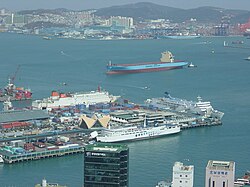
As one of South Korea's most vital economic engines, Busan's economy is heavily supported by its maritime industry. The Busan New Port and various pier facilities facilitate massive international trade volumes. The city's industrial sectors include heavy industries, such as those represented by Hanjin Heavy Industries.
Transportation and Education
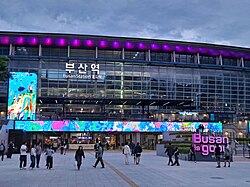
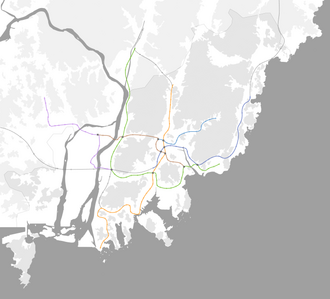
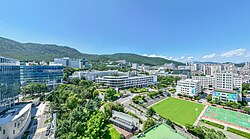
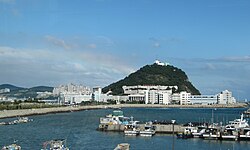
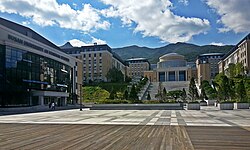
The city is well-connected through a sophisticated network of rail, sea, and air transport. The Busan Metro provides efficient movement across the 16 districts, while Busan Station serves as a critical junction for rail travelers. For higher education, Busan is home to several prestigious institutions, including Pusan National University and the Korea Maritime and Ocean University.
Sports and Entertainment
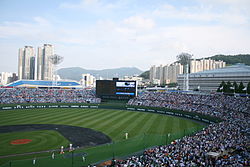
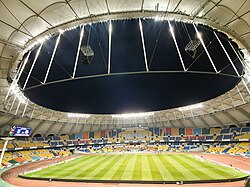
Sports play a massive role in the local community. The Lotte Giants, a professional baseball team, are a major attraction at the Sajik Baseball Stadium. Football and basketball also enjoy significant followings, with dedicated stadiums and arenas supporting local clubs.
Frequently Asked Questions
What is the best time to visit Busan?
The best time to visit depends on your interests. Spring (April-May) and Autumn (September-October) offer mild temperatures and pleasant weather for sightseeing. If you enjoy summer festivities and beaches, July and August are peak months, though they are also the rainiest.
How do I get around Busan?
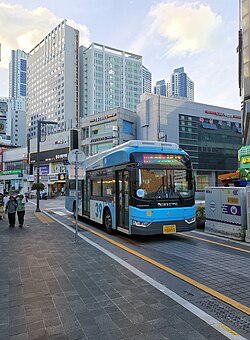
The most efficient way to navigate the city is via the Busan Metro. Additionally, the city has an extensive network of city buses and taxis. For intercity travel, Busan Station provides excellent rail connections.
What are some must-try foods in Busan?
While many traditional Korean dishes are available, Busan is famous for its fresh seafood, particularly mackerel. Visiting local markets like Jagalchi Market is highly recommended for an authentic culinary experience.
Is Busan a good city for international students?
Yes, Busan is a major educational hub with numerous universities offering graduate and undergraduate programs, including specialized institutions like the Busan University of Foreign Studies and Pusan National University.
What are the major festivals in Busan?
Busan hosts several world-class events, including the Busan International Film Festival, the Busan Biennale, and the G-Star Global Game Exhibition.