British Honours System Reforms of 1993
In 1993, the United Kingdom underwent a significant transformation of its honours system. Driven by Prime Minister John Major's vision of a "classless society," these reforms aimed to move away from a system that primarily rewarded civil servants and public officials, shifting the focus toward community figures, the voluntary sector, and a more equitable distribution of military awards.
Historically, the system had remained largely stagnant for 70 years, often reinforcing social and professional hierarchies. Many awards were restricted by rank or appointment, creating a divide between officers and other ranks in the military, and between high-level officials and the general public in civilian life.
Key Facts
- Rankless Awards: The 1993 reforms abolished rank requirements for most military and civilian honours.
- Public Nominations: Direct nominations from the general public were introduced to increase awards for community and voluntary work.
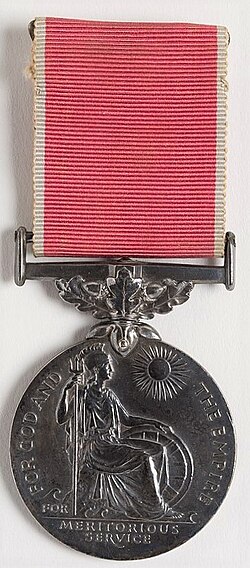
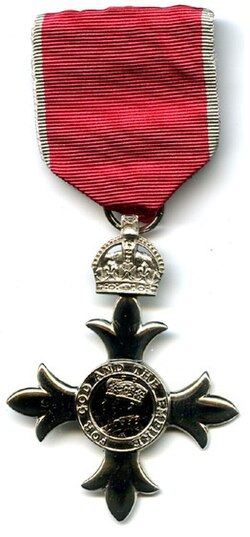
- BEM Abolition: The British Empire Medal (BEM) and Imperial Service Order (ISO) were ended, with recipients instead being appointed to the Order of the British Empire.
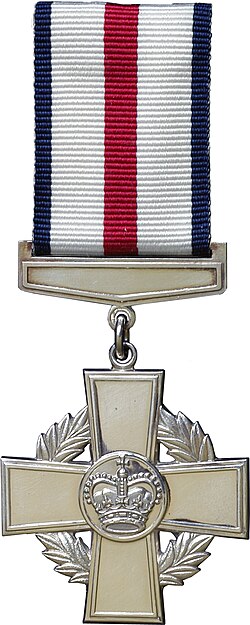
- Gallantry Overhaul: New medals, such as the Conspicuous Gallantry Cross, were created to ensure the same actions received the same awards regardless of rank.
- Cultural Shift: Over time, the system expanded to include pop and rock musicians, who were previously overlooked in favor of "high-brow" artists.
Civilian Honours Reform
The first phase of reform, reported in March 1993, focused on civilian awards. Prime Minister Major sought to end the practice of granting honours simply because a person held a specific appointment in the public or private sector. The only exception remained High Court judges, who continued to automatically receive knighthoods or damehoods.
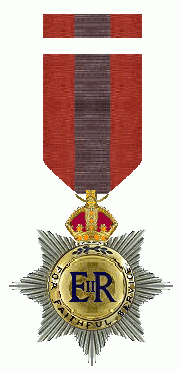
A major change was the abolition of the British Empire Medal (BEM) and the Imperial Service Order (ISO). To compensate for this, the number of appointments to the Order of the British Empire—specifically as Members (MBE)—was increased. This ensured that those who would have received a BEM could now be part of the Order itself, granting them access to royal investiture ceremonies.
To make the system more inclusive, Major introduced direct nominations from the general public. This shift was designed to recognize the contributions of ordinary citizens and those working in the voluntary sector. By 2000, a review by Cabinet Secretary Richard Wilson found that public nominations had risen from 28% in 1994 to 45%, and awards for the voluntary sector had increased from one-third to over half of all appointments.
Evolution of Cultural Recognition
While Major's initial reforms didn't immediately open the doors to pop music, the trend shifted under subsequent governments. While early awards to musicians like Crowded House were seen as unusual, the late 1990s saw a surge in recognition for pop stars, including knighthoods for Cliff Richard and Paul McCartney. Eventually, this expanded to include grime pioneers such as Wiley and Dizzee Rascal.
Military Awards and the "Rankless" System
Following the civilian review, the Ministry of Defence conducted a separate review reported by Malcolm Rifkind in October 1993. The primary goal was to remove distinctions of rank from gallantry awards, ensuring that officers and other ranks received the same recognition for the same brave actions.
The Victoria Cross, the highest award for gallantry, was already open to all ranks and remained unchanged. However, a new second-tier award, the Conspicuous Gallantry Cross, was introduced for all ranks. This replaced several rank-specific medals and the Distinguished Service Order (DSO) when the latter was awarded for gallantry. The DSO itself was retained but repurposed to recognize leadership in combat.
Other changes included opening the Military Cross, Distinguished Service Cross, and Distinguished Flying Cross to all ranks, while abolishing their "other ranks" equivalents (the Military, Distinguished Service, and Distinguished Flying Medals). Additionally, the Mention in Despatches was restricted to gallantry only, and its insignia—the oak leaf—was upgraded from bronze to silver.
Non-Operational Gallantry
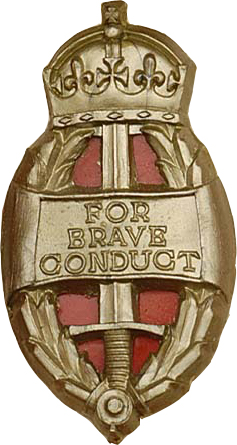
The review also streamlined awards for bravery not involving the enemy. The Queen's Commendation for Valuable Service in the Air was split into two: one for meritorious service (Queen's Commendation for Valuable Service) and one for non-operational gallantry (Queen's Commendation for Bravery in the Air). Similarly, the Queen's Commendation for Brave Conduct was replaced by the Queen's Commendation for Bravery.
Summary of Honours Changes
The following table summarizes the transition of key awards during the 1993 reforms.
| Award Category | Pre-Reform Status | Post-Reform Status |
|---|---|---|
| British Empire Medal (BEM) | Awarded to other ranks/civilians | Abolished (replaced by MBE/OBE) |
| Distinguished Service Order (DSO) | Gallantry (Officers) | Leadership in combat (All ranks) |
| Conspicuous Gallantry Cross | Did not exist | 2nd-tier gallantry (All ranks) |
| Military/Distinguished Service Crosses | Officers only | Open to all ranks |
| Mention in Despatches | Gallantry & Meritorious service | Gallantry only (Silver oak leaf) |
Frequently Asked Questions
Why was the British Empire Medal (BEM) abolished?
Prime Minister John Major felt the link between the BEM and the Order of the British Empire had become too tenuous. By abolishing the BEM and increasing the number of MBEs, more recipients could be formally appointed to the Order and receive a royal investiture.
What does "rankless" mean in the context of military awards?
A "rankless" system means that the type of medal awarded is based solely on the action performed, regardless of whether the recipient is a high-ranking officer or a lower-ranking soldier, sailor, or airman.
How did the nomination process change?
The reforms introduced direct nominations from the general public, reducing the reliance on government departments and public bodies to identify candidates for honours.
What happened to the Distinguished Service Order (DSO)?
The DSO was no longer awarded for gallantry (which was replaced by the Conspicuous Gallantry Cross) but was instead reserved for recognizing leadership in combat, and it was opened to all ranks.
Were the 1993 reforms successful?
According to a 2000 review by Richard Wilson, the reforms successfully increased the proportion of awards going to the voluntary sector and the general public, while reducing the proportion of honours given to state servants.