Born-Digital Content: Examples and Evolution Across Media
In an era dominated by screens and connectivity, the concept of born-digital content—information that originates in a digital format rather than being converted from a physical source—has become central to how we communicate, create, and preserve history. From the emails we send to the interactive news stories we consume, born-digital media exists natively within the networked world, often lacking a tangible physical counterpart.
Grey Literature and Digital Communications
Much of today's grey literature—information produced outside of traditional commercial or academic publishing channels—is conducted almost entirely online. This shift is driven by the speed and accessibility of internet communications. Because these records are created by organizations and individuals on computers, they exist within a broader context of digital activity.
- Email: The primary mode of professional and personal digital correspondence.
- Word Processing Documents: Files created in software such as Microsoft Word, Google Docs, WordPerfect, Apple Pages, LibreOffice Writer, and Adobe Reader.
- Spreadsheets: Tools for organizing and tabulating data, including Microsoft Excel, Google Sheets, LibreOffice Calc, and the now-discontinued Lotus 1-2-3.
- Presentations: Visual aids created via Microsoft PowerPoint, Google Slides, LibreOffice Impress, and Prezi.
- Electronic Medical Records: Digital versions of patient health histories.
- Social Media: Platforms like Facebook, Twitter, and Reddit are born-digital by default, as they originated within the networked world.
Digital Photography and Visual Arts
The advent of digital cameras in the late 1980s, followed by the integration of cameras into mobile phones, democratized photography. Eventually, digital camera sales surpassed those of analog cameras. This evolution led to the rise of photo-sharing sites in the early to mid-2000s, such as Flickr and Photobucket, and later, visually-driven social media like Instagram, Pinterest, Imgur, and Tumblr.
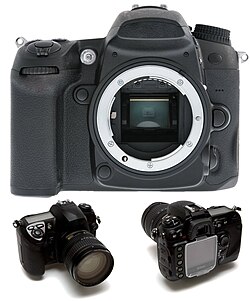
Digital images are stored in various formats, including JPEG (Joint Photographic Experts Group), TIFF (Tagged Image File Format), PNG (Portable Network Graphics), GIF (Graphic Interchange Format), and raw image formats.
Digital Art and Webcomics
Digital art serves as an umbrella term for any art created using a computer, encompassing 3D models, computer-aided design, digital animation, visual media, and interactive art.

A prominent example of exclusively born-digital art is the webcomic. While these may eventually be printed, they are originally disseminated via the internet. Webcomics are often hosted on social media, dedicated platforms like Webtoon, or independent domains.
Electronic Books and Publishing
E-books are digital publications read on computers, smartphones, or dedicated e-reader devices. This sector has flourished by providing independent authors a more direct connection to their audience through the digital marketplace.
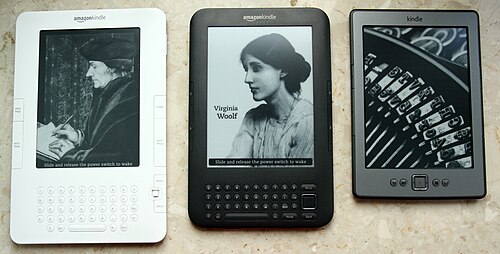
In response to this trend, major publishing houses like Harlequin have created digital-only imprints. Some publishers offer exclusive digital titles, such as the simultaneous launch of the Kindle 2 and Stephen King's novelette Ur. However, sales from traditional publishers have recently declined, partly due to rising prices.
Audio and Video Recordings
Born-digital video varies widely in application. Vlogs (a portmanteau of "video" and "blog") are streamed on sites like YouTube, while web series are shows produced exclusively or initially for the internet. Examples of web series include The Guild, The Lizzie Bennett Diaries, Dr. Horrible's Sing Along Blog, and the 2019 The Twilight Zone.
Digital sound recordings have been viable since the 1970s with the adoption of pulse-code modulation (PCM). Delivery methods have evolved from compact discs and mp3 files to web streams and downloads. Some works are now available exclusively via download, such as Radiohead's 2007 release In Rainbows (initially) and the Los Angeles Philharmonic's 2008 recording of Berlioz's Symphonie fantastique under Gustavo Dudamel. The latter has created challenges for libraries due to licensing limitations on download-only content.
Digital Journalism and Virtual Exhibits
Journalism has shifted from print to digital-native platforms, with the growth of sites like Buzzfeed News and HuffPo. This has led to the creation of "news applications"—interactive, data-driven stories that cannot be replicated in print. These often require teams of software specialists, designers, and journalists. Notable examples include Snow Fall from The New York Times, Do No Harm from the Las Vegas Sun, and Baltimore Homicides from The Baltimore Sun.
Additionally, WebExhibits act as virtual museums. An example is Click! The Ongoing Feminist Revolution by Clio Visualizing History, founded by Lola Van Wagenen in 1996 to provide multi-media platforms for historical projects.
Key Facts
- Born-digital refers to content that originates in digital form.
- Digital photography surpassed analog sales following the rise of digital cameras and mobile phones.
- Webcomics are considered born-digital because their primary dissemination is via the internet.
- PCM (Pulse-Code Modulation) enabled digital sound recording starting in the 1970s.
- News applications use interactive graphics and data to tell stories in ways print cannot.
| Category | Common Formats/Software | Examples |
|---|---|---|
| Communications | Word Processors, Spreadsheets | Google Docs, MS Excel, Email |
| Visual Media | JPEG, PNG, TIFF, GIF | Instagram, Flickr, Webtoons |
| Audio/Video | PCM, mp3, Web streams | YouTube, Vlogs, Digital-only albums |
| Publishing | E-pub, Digital-only imprints | Amazon Kindle, Digital-native news |
Frequently Asked Questions
What is the difference between born-digital and digitized content?
Born-digital content is created in a digital format from the start, such as an email or a webcomic. Digitized content is a physical object, like a printed photograph or a paper book, that has been converted into a digital format via scanning or photography.
What are some examples of born-digital journalism?
Examples include digital-native news sites like HuffPo and Buzzfeed News, as well as interactive "news apps" like The New York Times' Snow Fall, which use data-driven graphics and interactive features.
How has digital photography changed the industry?
Digital photography increased participation in the art form and led to the decline of analog cameras. It also fostered the creation of image-sharing platforms like Instagram and Pinterest and introduced standardized file formats like JPEG and PNG.
Why do download-only audio recordings pose a problem for libraries?
Because some recordings, such as the Los Angeles Philharmonic's Symphonie fantastique, lack a tangible counterpart and are restricted by digital licensing, libraries may be unable to legally acquire or carry them for public use.
What are webcomics and why are they born-digital?
Webcomics are comics published primarily on the internet. Even if they are later printed, they are considered born-digital because their original dissemination and creation occurred within the digital ecosystem.