Bolivia: A Journey Through the Heart of South America
Nestled in the center of South America, the Plurinational State of Bolivia is a land of staggering contrasts. From the dizzying heights of the Andes Mountains to the lush, humid expanses of the Amazon Basin, Bolivia is a nation defined by its diverse geography, deep indigenous roots, and a complex political history. Known for its rich mineral wealth and vibrant cultural heritage, it remains one of the most unique destinations in the Western Hemisphere.
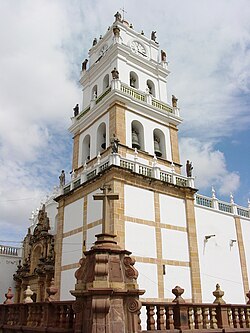
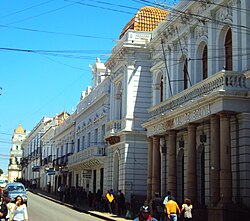
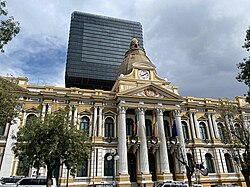
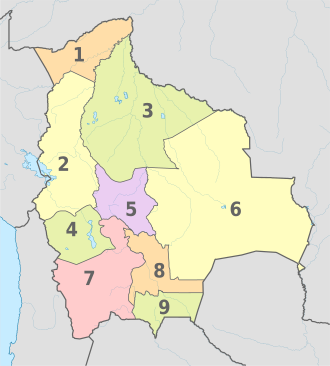
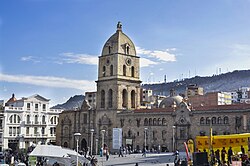
Bolivia operates as a unitary presidential republic, with its official capital in Sucre and its administrative center in La Paz. The nation is a melting pot of ethnicities, with a significant indigenous population and a linguistic landscape that includes Spanish, Quechua, Aymara, and Guarani.
Key Facts
- Official Name: Plurinational State of Bolivia
- Capitals: Sucre (Constitutional) and La Paz (Administrative)
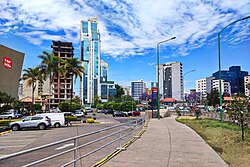
- Largest City: Santa Cruz de la Sierra
- Official Languages: Spanish, Quechua, Aymara, and Guarani
- Currency: Boliviano (BOB)
- Key Resources: Lithium, silver, tin, and natural gas
- Geography: Divided into the Andes highlands, the Altiplano plateau, and the Amazonian lowlands
A Legacy of History and Power
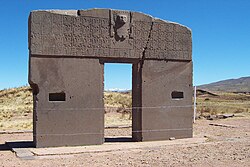
Bolivia's history is a narrative of ancient civilizations, colonial exploitation, and a long struggle for stability. Long before the arrival of Europeans, the region was home to the Tiwanaku polity, an influential civilization known for its advanced architecture and astronomy.
![The Kalasasaya Temple of the Tiwanaku Polity (200 BC)[20][page needed]](/images/37/12/3712ffc4e802a7b73dd0b7fea226b05d79c3081c9fdb4457f5e294a2cc0400ee.jpg)
The colonial era brought drastic changes with the establishment of Spanish rule. The city of Potosí became a global epicenter of wealth due to the Cerro Rico mine, which provided over half of the world's silver during the colonial period, fueling the Spanish Empire's economy.
![The Villa Imperial de Potosí, established in 1545, held great significance for the Spanish colonial empire, as its abundant mineral wealth accounted for over half of the global silver production during the colonial period.[28]](/images/64/b5/64b58105a07f4be834b34371a36c85d8ef0f2cea951120109e604f55d192486c.jpg)
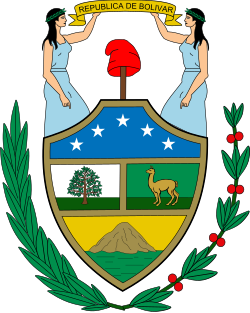
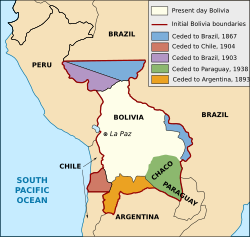
Bolivia declared its independence from Spain on August 6, 1825, and was named the Republic of Bolívar in honor of the liberator Simón Bolívar. The 20th century was marked by territorial losses and periods of political volatility, including military coups and a transition toward democracy. In recent decades, the country has seen a shift toward recognizing its plurinational identity, culminating in the 2009 constitution.
Geography and Natural Wonders
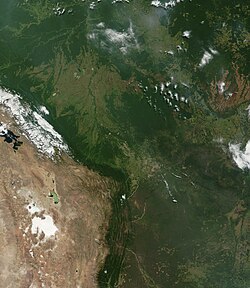
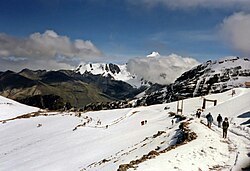
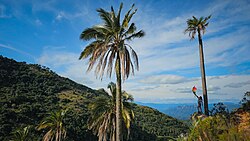
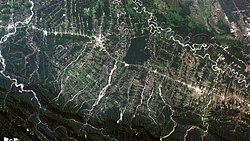
The Bolivian landscape is divided into three distinct physiographic regions. The west is dominated by the Andes Mountains and the Altiplano (a high-altitude plateau), while the east consists of the lowland plains of the Amazon Basin.
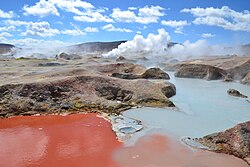
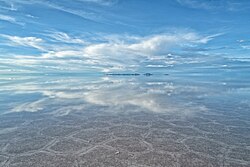
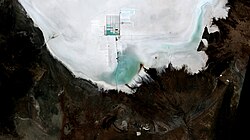
One of the world's most breathtaking sites, the Salar de Uyuni, is the largest salt flat on Earth. This vast white expanse is not only a tourist marvel but also a critical economic asset, as it contains some of the world's largest lithium deposits.
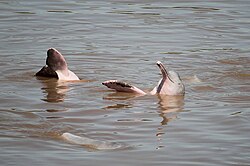
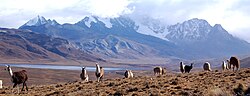
Bolivia's biodiversity is equally impressive. The country is home to the Bolivian river dolphin—the largest freshwater dolphin in the world—and the hardy llamas that roam the high Andean peaks.
Economy and Infrastructure
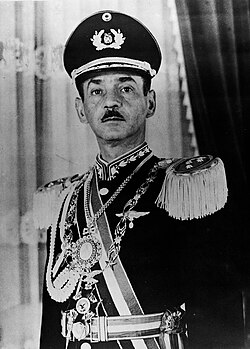
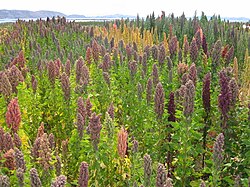
Bolivia's economy is heavily reliant on its natural resources. While silver and tin were historically dominant, the modern economy focuses on hydrocarbons and the emerging lithium industry. Agriculture also plays a vital role, with the country being the world's second-largest producer of quinoa.
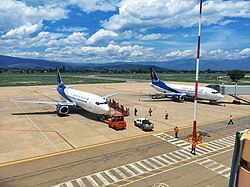
In terms of infrastructure, the state-owned Boliviana de Aviación (BoA) serves as the primary airline, connecting the major economic hubs of Santa Cruz, La Paz, and Cochabamba.
The following table provides a summary of Bolivia's current national profile based on recent data.
| Category | Detail |
|---|---|
| Total Area | 1,098,581 km² |
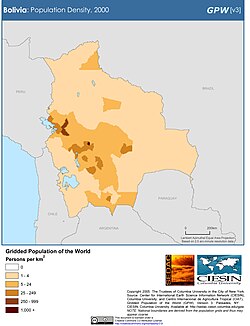
| Population (2024) | 11,365,333 |
| GDP (Nominal 2026 Est.) | $80.740 billion |
| HDI (2023) | 0.733 (High) |
| Main Ethnic Groups | 37.63% Indigenous, 62.37% Other |
Culture and Society
Bolivian culture is a vibrant blend of indigenous traditions and Spanish colonial influence. This is most evident in the Carnival of Oruro, specifically the Diablada (Dance of the Devils), which is recognized as a Masterpiece of the Oral and Intangible Heritage of Humanity.
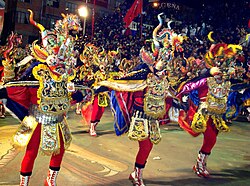
Religion remains a cornerstone of society, with Christianity—predominantly Catholicism—practiced by the vast majority of the population. Education and health services have seen significant state investment, with the country striving for universal healthcare and increased literacy.
Frequently Asked Questions
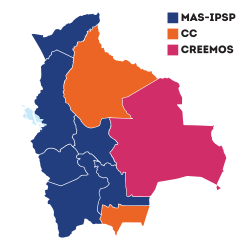
![Bolivia map of Köppen climate classification[112]](/images/91/3a/913a3a36536d1afbb3fd1d5d5c72df0f268c18ea24da85bb26ea222ce4b50e94.webp)

What is the difference between Sucre and La Paz?
Sucre is the constitutional capital of Bolivia, while La Paz serves as the administrative center and the seat of government.
What is the Salar de Uyuni?
The Salar de Uyuni is the world's largest salt flat, located in southwestern Bolivia. It is famous for its mirror-like appearance during the rainy season and its vast lithium reserves.
Which languages are spoken in Bolivia?
The official languages are Spanish, Quechua, Aymara, and Guarani, reflecting the country's diverse indigenous heritage.
What are the primary exports of Bolivia?
Bolivia's economy relies heavily on mineral resources such as lithium, silver, tin, and zinc, as well as hydrocarbons and agricultural products like quinoa.
What is the significance of the Tiwanaku site?
Tiwanaku was the center of a powerful pre-colonial polity (around 200 BC) and is renowned for its sophisticated stone architecture and cultural influence in the Andes.