Blood Transfusion: Medical Applications, History, and Safety
A blood transfusion is a critical medical procedure involving the transfer of blood or blood-based products from one person (the donor) into the circulatory system of another (the recipient). This life-saving intervention is used to replace blood lost through injury or surgery, treat severe anemia, and manage various hematological disorders.
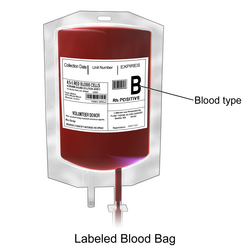
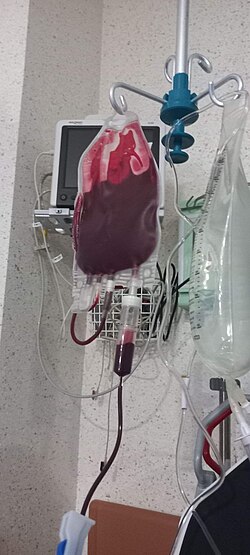
Modern transfusions typically utilize specialized plastic bags containing 0.5 to 0.7 liters of packed red blood cells preserved in a solution of citrate, phosphate, dextrose, and adenine (CPDA) to maintain cell viability.
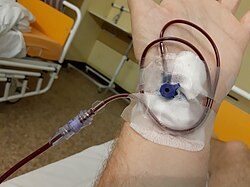
Key Facts
- Compatibility: Successful transfusions require matching the ABO and Rh blood group systems to prevent immune reactions.
- Universal Donor: O-negative (O−) blood is generally compatible with all other blood types.
- Universal Recipient: AB-positive (AB+) individuals can receive blood from any ABO/Rh group.
- Preservation: CPDA solution is used to store red blood cells for clinical use.
- Risks: Potential adverse effects range from mild febrile reactions to severe acute hemolytic reactions or bacterial contamination.
The Process of Blood Transfusion
Blood Donation and Processing
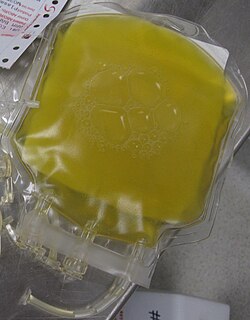
The process begins with blood donation, where whole blood is collected and then processed. Depending on the patient's needs, the blood may be separated into components such as packed red blood cells, platelets, or fresh frozen plasma (the liquid portion of blood containing clotting factors).
Compatibility Testing
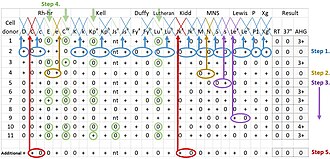
To ensure safety, clinicians perform compatibility testing. This involves analyzing the ABO system (categorizing blood as A, B, AB, or O) and the Rh system (positive or negative). An antibody panel is often used to detect specific patient antibodies against relevant human blood group systems to prevent a mismatch.
Administration
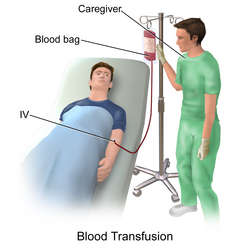
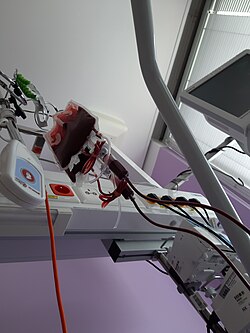
Blood is administered intravenously, typically through a cannula. The blood bag is connected to the patient, and the fluid is slowly infused into the vein.
Blood Group Compatibility Table
The following table outlines the compatibility between donor blood types and recipients for red cell (erythrocyte) transfusions.
| Donor \ Recipient | AB+ | AB- | A+ | A- | B+ | B- | O+ | O- |
|---|---|---|---|---|---|---|---|---|
| O- | Yes | Yes | Yes | Yes | Yes | Yes | Yes | Yes |
| O+ | Yes | No | Yes | No | Yes | No | Yes | No |
| B- | Yes | Yes | No | No | Yes | Yes | No | No |
| B+ | Yes | No | No | No | Yes | No | No | No |
| A- | Yes | Yes | Yes | Yes | No | No | No | No |
| A+ | Yes | No | Yes | No | No | No | No | No |
| AB- | Yes | Yes | No | No | No | No | No | No |
| AB+ | Yes | No | No | No | No | No | No | No |
Adverse Effects and Risks
While generally safe, transfusions can trigger immunologic reactions or infections. The severity and timing of these symptoms vary by the type of reaction.
- Febrile Nonhemolytic: Characterized by fever and chills, often appearing toward the end of the transfusion.
- TRALI (Transfusion-Related Acute Lung Injury): A serious reaction causing dyspnea (shortness of breath), hypotension, and circulatory shock.
- Acute Hemolytic: A severe reaction occurring early (after 50–100 ml) due to blood incompatibility, potentially leading to renal failure and hemoglobinuria.
- Bacterial Contamination: Symptoms may appear up to 8 hours after the procedure.
History of Blood Transfusion
Early Experiments
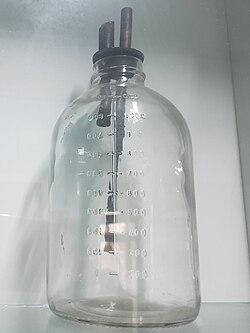
The history of transfusion began with risky early attempts. In 1665, Richard Lower pioneered the first animal-to-human transfusion at the Royal Society. It wasn't until 1818 that James Blundell successfully performed a human-to-human transfusion.


20th Century Advancements
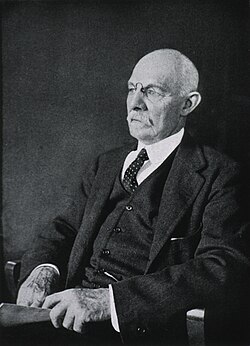
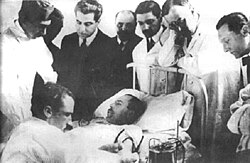
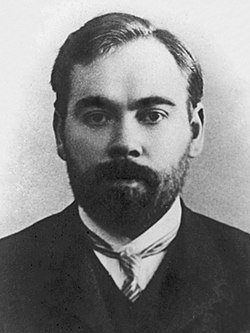
The 1900s saw rapid progress. William Stewart Halsted performed early transfusions in the United States, and by 1914, Luis Agote oversaw safe and effective procedures. The development of blood banks during World War I and the subsequent work of researchers like Alexander Bogdanov in Moscow further refined the science.
War-Time Innovations
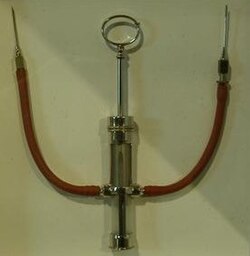
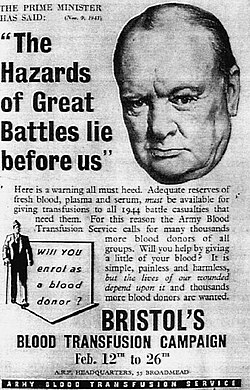
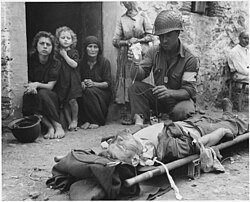
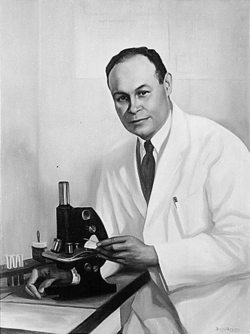
World War II accelerated the use of blood products. Direct inter-human transfusions were sometimes performed using specialized syringes. Charles R. Drew played a pivotal role in overseeing the production and shipping of blood plasma to Britain to treat wounded soldiers.
Special Considerations
Neonatal Transfusions
Transfusions in newborns typically occur due to significant blood loss or when the infant's blood type is unknown.
Challenges and Alternatives
Certain populations face unique challenges, such as those with Bombay blood (a rare blood type) or people living in "blood deserts" where access to products is limited. Additionally, some individuals refuse transfusions due to religious or personal objections, driving research into blood alternatives.
Veterinary Use
Blood transfusion is not limited to humans; it is also practiced in veterinary medicine for animals such as dogs and pigs, who also possess specific blood group systems.
Frequently Asked Questions
What is the difference between whole blood and packed red cells?
Whole blood contains all components (red cells, white cells, platelets, and plasma), while packed red cells are concentrated erythrocytes with most of the plasma removed, used specifically to increase oxygen-carrying capacity.
Who is considered a universal donor?
Individuals with O-negative (O−) blood are universal donors because their red blood cells lack A, B, and Rh antigens, making them less likely to trigger an immune response in recipients of any blood type.
What happens if the wrong blood type is transfused?
An incompatible transfusion can lead to an acute hemolytic reaction, where the recipient's immune system attacks the donor cells. This can cause severe complications, including back pain, hypotension, and renal failure.
How is blood stored to keep it safe?
Blood is stored in plastic bags containing CPDA (citrate, phosphate, dextrose, and adenine) solution and kept refrigerated to maintain the viability of the cells and prevent clotting.
Can animals receive blood transfusions?
Yes, blood transfusions are used in veterinary medicine for various species, including dogs and pigs, following similar compatibility principles as human medicine.