Internal Bleeding
Internal bleeding, also known as internal hemorrhage, occurs when blood escapes from a blood vessel and collects inside the body. Unlike external wounds, this bleeding is typically not visible from the outside, making it a potentially deceptive and dangerous medical emergency. The severity of the condition depends heavily on the rate of blood loss and the location of the hemorrhage, such as the head, torso, or extremities.
When severe bleeding occurs in the chest, abdomen, pelvis, or thighs, it can lead to life-threatening complications if not treated immediately by medical professionals. The primary risks include hemorrhagic shock—a state where organs do not receive enough blood to function—and exsanguination, which is the process of bleeding to death.
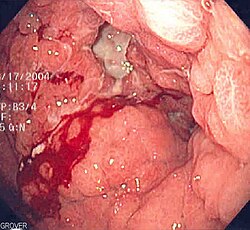
Key Facts
- Internal bleeding is a medical emergency requiring immediate professional intervention.
- A person can lose more than 30% of their blood volume before vital signs or consciousness change.
- Trauma is a leading cause of death globally, with 1.5 million of 1.9 million annual bleeding deaths resulting from trauma.
- Hemorrhagic shock occurs when blood volume drops too low to sustain organ perfusion.
- Treatment focuses on two goals: replacing lost fluids and achieving hemostasis (stopping the bleed).
Signs and Symptoms
Identifying internal bleeding can be challenging because pain may or may not be present, and some patients exhibit no symptoms until they reach a critical state. Symptoms generally fall into two categories: general signs of blood loss and visible indicators of internal hemorrhage.
General Symptoms of Blood Loss
- Lightheadedness and confusion
- Fatigue and generalized weakness
- Fast heart rate (tachycardia)
- Pale or cold skin
- Increased thirst
- Decreased urine output
Visible Indicators
- Blood in the urine or vomiting blood
- Stools that are bright red or dark black
- Nosebleeds
- Extensive bruising
Causes of Internal Bleeding
The causes of internal hemorrhage are generally categorized into three main groups: trauma, medical conditions, and other external factors.
Traumatic Injuries
Trauma is the most common cause of fatal bleeding. It is divided into two types:
- Penetrating Trauma: Caused by ballistic injuries or stab wounds. If these occur near the heart, they can lead to rapid shock and death.
- Blunt Trauma: Caused by high-impact forces, such as high-speed deceleration during an automobile accident.
Non-Traumatic Medical Conditions
Various diseases and physiological failures can cause blood vessels to rupture, including:
- High blood pressure, aneurysms, and peptic ulcers.
- Ectopic pregnancy.
- Cancer and hematologic diseases.
- Vitamin K deficiency.
- Viral hemorrhagic fevers, such as Ebola, Dengue, or Marburg viruses.
Other Factors
Internal bleeding may also result from complications during surgery or medical procedures. Additionally, certain medications, such as anticoagulant or antiplatelet drugs used to treat coronary artery disease, can increase a patient's risk of bleeding.
Diagnosis and Clinical Assessment
Medical professionals use a combination of vital signs, physical exams, and imaging to diagnose internal bleeding. The process typically follows the ABC (Airway, Breathing, Circulation) medical priority sequence.
Monitoring Vital Signs
The autonomic nervous system (ANS) attempts to compensate for blood loss. Initially, the ANS contracts blood vessel muscles to maintain blood pressure. However, as loss continues, two key changes occur:
- Hypotension: A drop in blood pressure below the normal range.
- Tachycardia: An increased heart rate as the heart attempts to deliver blood to vital organs more quickly.
The American College of Surgeons' Advanced Trauma Life Support (ATLS) guidelines categorize hemorrhagic shock into four classes:
| Class | Blood Loss | Heart Rate | Blood Pressure | Respiratory Rate | Mental Status |
|---|---|---|---|---|---|
| Class I | < 15% | Normal/Minimally elevated | Normal | Normal | Slightly anxious |
| Class II | 15 - 30% | 100 - 120 | Normal/Minimally decreased | 20 - 30 | Mildly anxious |
| Class III | 30 - 40% | 120 - 140 | Systolic < 90 mmHg | 30 - 40 | Anxious, confused |
| Class IV | > 40% | > 140 | Systolic < 90 mmHg | > 35 | Confused, lethargic |
Physical Examination and Imaging
Doctors look for physical signs such as ecchymosis (bruising), hematoma (blood collection), paresthesia (abnormal skin sensation), or signs of compartment syndrome. For imaging, a FAST exam is often used to check for abdominal bleeding. Stable patients may receive a CT scan, while unstable patients are moved immediately to surgery.
Treatment and Management
Treatment focuses on stabilizing the patient's volume and stopping the source of the bleed.
Fluid Replacement
Intravenous (IV) fluids are used to treat hypotension until a blood transfusion is possible. In severe cases, a central venous catheter is used for rapid delivery. If a patient requires more than 4 units of blood in one hour or 10 units in six hours, a massive transfusion protocol is initiated to replace red blood cells, plasma, and platelets.
Stopping the Bleeding
Achieving hemostasis is critical. Because internal bleeding in the thorax and abdomen cannot be controlled with external pressure, surgical intervention is required. In some cases, a REBOA (Resuscitative Endovascular Balloon Occlusion of the Aorta) device is used to slow bleeding in the abdomen or pelvis.
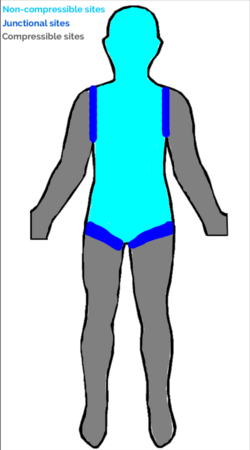
For extremity injuries, tourniquets can be used. For "junctional sites" (where the torso meets limbs, like the groin or axilla), hemostatic dressings or specialized devices like the Abdominal Aortic and Junctional Tourniquet (AAJT) may be employed.
Frequently Asked Questions
Can you have internal bleeding without feeling pain?
Yes, it is possible to have internal bleeding without experiencing pain or any of the common symptoms until the blood loss becomes severe.
What is the difference between hemorrhagic and hypovolemic shock?
Hypovolemic shock is a general state where there is not enough blood or fluid for the heart to pump to the organs. Hemorrhagic shock is a specific type of hypovolemic shock caused specifically by blood loss.
How much blood can a person lose before their vital signs change?
A patient may lose more than 30% of their total blood volume before there are noticeable changes in their level of consciousness or vital signs.
Can a tourniquet stop all types of internal bleeding?
No. Tourniquets are effective for bleeding in the arms and legs. They cannot be used for bleeding in the chest or abdominal cavity, which requires surgical intervention or specialized devices like REBOA.
What is a massive transfusion protocol?
It is an emergency medical procedure used when a patient has severe, continuing hemorrhage, providing a balanced ratio of red blood cells, plasma, and platelets to replace lost blood quickly.