Biotechnology: Principles, Applications, and Global Impact
Biotechnology is a multidisciplinary field that merges natural sciences and engineering to utilize living organisms, or parts of them, to create products and services. By harnessing the innate capabilities of biological systems, scientists can solve complex problems across medicine, agriculture, and environmental science.
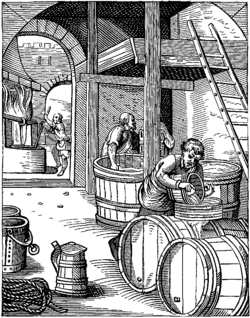
The term was first coined in 1919 by Károly Ereky to describe the production of materials from raw substances using living organisms. At its core, biotechnology relies on the ability of organisms—such as bacteria, yeast, and plants—to perform specific tasks or synthesize valuable substances that would be difficult or impossible to produce through traditional chemistry alone.
Key Facts
- Definition: The integration of natural and engineering sciences to apply organisms for products and services.
- Core Technique: Genetic engineering allows for the modification of an organism's genetic makeup by inserting genes from one species into another.
- Scope: Spans multiple sectors including healthcare (medicine), food production (agriculture), manufacturing (industrial), and ecology (environmental).
- Safety Consensus: Major organizations like the WHO and the American Medical Association state that GM foods are not inherently riskier than those created through conventional breeding.
The Mechanics of Biotechnology
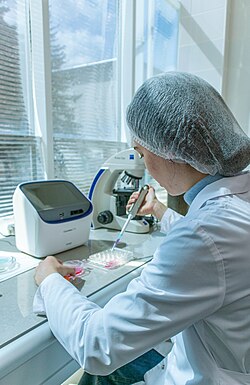
The most transformative tool in the modern biotechnological arsenal is genetic engineering. This process enables scientists to alter the DNA of an organism to achieve a desired outcome, such as creating new traits or enhancing existing ones. This precision allows for the development of targeted therapies and high-yield crops.
From Lab to Application
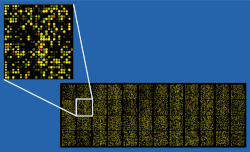
Modern biotechnology often involves complex systems, such as DNA microarray chips, which can perform up to a million blood tests simultaneously, providing unprecedented diagnostic capabilities.
Major Branches of Biotechnology
Because the field is so broad, it is often categorized into specific branches based on the application area.
Medicine and Healthcare
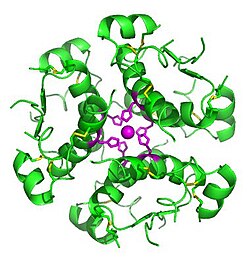
In the medical field, biotechnology is used to develop life-saving drugs and diagnostic tools. A primary example is the production of synthetic insulin, where the molecular structure—including zinc ions and histidine residues—is carefully managed to ensure efficacy.
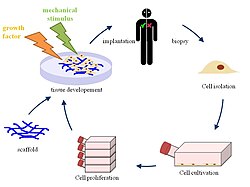
Other medical advancements include tissue engineering, which focuses on restoring or replacing damaged tissues and organs.
Agriculture and Food Security
Agricultural biotechnology focuses on creating Genetically Modified Organisms (GMOs) to improve food security. Examples include drought-tolerant maize in Africa and Golden Rice, which is engineered to provide essential nutrients. These advancements aim to increase crop yields and reduce the reliance on chemical pesticides.
Industrial and Environmental Applications
Industrial biotechnology, sometimes called "white biotechnology," applies biological processes to manufacturing to make production more sustainable. This includes the use of microbes to create renewable polymers from plants or biofuels from seaweed. Environmental biotechnology focuses on pollution abatement and monitoring to protect natural ecosystems.
Summary of Biotechnology Applications
| Branch | Primary Focus | Example Application |
|---|---|---|
| Medical | Healthcare and Diagnostics | Synthetic insulin, DNA microarrays |
| Agricultural | Crop Improvement | Drought-tolerant maize, Golden Rice |
| Industrial | Sustainable Manufacturing | Biofuels, renewable polymers |
| Environmental | Ecological Protection | Pollution abatement, bio-monitoring |
Regulation and Public Perception
The use of GMOs is subject to strict regulation, particularly in the European Union, where a dedicated database tracks approved GMOs. While scientific bodies like the AAAS and the World Health Organization maintain that GM foods are safe, public perception varies. In some regions, there is significant moral or safety-based opposition to gene-edited foods, leading to different regulatory landscapes between the US and the EU.
Frequently Asked Questions
What is the difference between biotechnology and genetic engineering?
Biotechnology is the broad field of using biological systems for products and services, while genetic engineering is a specific technique used within biotechnology to modify an organism's DNA.
Are genetically modified (GM) foods safe to eat?
According to the World Health Organization and the American Medical Association, consuming foods derived from GM crops is no riskier than consuming foods from crops modified by conventional breeding, though safety is assessed on a case-by-case basis.
How does biotechnology help the environment?
Environmental biotechnology is used for pollution abatement and monitoring, as well as creating sustainable alternatives to plastics and fossil fuels, such as renewable polymers and biofuels.
Who first defined the term biotechnology?
The term was first used by Károly Ereky in 1919 to describe the production of products from raw materials using living organisms.