Biological Type Specimens: The Anchors of Scientific Nomenclature
In the vast and complex world of biology, naming an organism is more than just assigning a label; it is about establishing a permanent, objective standard. This is achieved through the use of a type. A type is a specific specimen, or sometimes a group of specimens, to which the scientific name of an organism is formally attached. By serving as a central reference point, the type anchors the defining features of a particular taxon—a scientifically named grouping of organisms.
A taxon is defined by a detailed published description that includes certain organisms while excluding others. To ensure scientific accuracy, this description must be accompanied by type material, which is typically housed in major museum research collections or herbaria for scientists to examine.
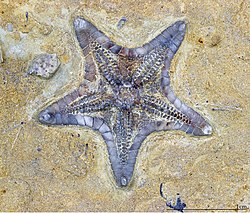
Key Facts
- A holotype is the single specimen or illustration designated as the primary nomenclatural type.
- In botany, a type can be either a physical specimen or a detailed illustration.
- In zoology, the type of a species is a specimen or a series of specimens.
- A lectotype is selected from original material when no holotype was specified or if the original was lost.
- The type locality refers to the specific geographical location where a type specimen was originally found.
The Role of Type Specimens in Taxonomy
The specific requirements for what constitutes a "type" depend on the nomenclature code governing the organism. For instance, under bacteriological codes, a description may serve as a type, whereas in other fields, it may be a culture or an illustration.
Consider the spotted harrier, scientifically known as Circus assimilis. This species was described by Jardine and Selby in 1828. To provide a permanent reference, a specific bird specimen (numbered 1886.6.24.20 in the Natural History Museum in London) was designated as the holotype. By definition, the name Circus assimilis refers to the species represented by that exact specimen.
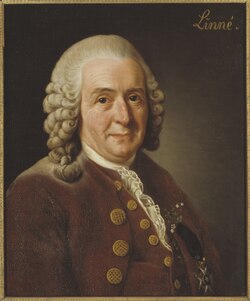
Variations in Botanical Nomenclature
In botany, a type is the element to which a name is permanently attached. While specimens are common, illustrations can serve as types, particularly for organisms that can only be seen via a microscope. A tiny specimen on a microscope slide is difficult to preserve and locate, making a detailed illustration a more reliable nomenclatural anchor.
Variations in Zoological Nomenclature
In zoology, the type of a species or subspecies is a specimen or a series of specimens. As we move up the taxonomic hierarchy, the type of a genus is a species, and the type of a higher taxon, such as a family, is a genus. It is important to note that names higher than the superfamily rank do not have designated types.
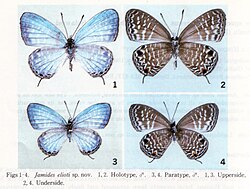
Types of Nomenclatural Material
Because historical descriptions were not always consistent, several different terms are used to describe various types of nomenclatural material. This system helps scientists navigate lost, destroyed, or originally ambiguous specimens.
| Term | Definition |
|---|---|
| Holotype | The single specimen or illustration designated as the primary type. |
| Lectotype | A specimen selected from original material when no holotype exists. |
| Isotype | A duplicate of the holotype. |
| Syntype | Any specimen cited in the original description when no holotype was designated. |
| Paratype | Additional specimens cited in the original description that are not holotypes or isotypes. |
| Neotype | A new specimen selected when all original material is lost or unavailable. |
| Epitype | An interpretative type used to clarify identification when other types are insufficient. |
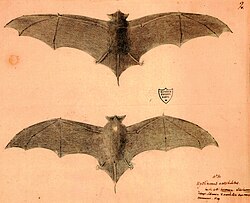
Historical Context and Challenges
The formalization of the type system was necessary because many species were described centuries ago without a single designated holotype. Furthermore, wars and fires have occasionally destroyed original type material. While the International Code of Zoological Nomenclature (ICZN) has existed since 1961, many "type-less" species still exist from earlier eras.
One of the most famous examples of type designation involves Homo sapiens. In 1959, Professor William Stearn designated Carl Linnaeus himself as the lectotype for Homo sapiens. This was based on the reasoning that Linnaeus, having written his own autobiography five times, was the individual he had studied most closely. This designation holds seniority over other later proposals.
Frequently Asked Questions
What is the difference between a holotype and a paratype?
A holotype is the single, primary specimen designated as the official name-bearing type. A paratype is an additional specimen included in the original description to show variation, but it does not serve as the primary name-bearing standard.
Can an illustration be a type?
Yes. In botany, an illustration can serve as a type, especially for microscopic organisms where a physical specimen might be too fragile or difficult to examine reliably.
What happens if a holotype is lost or destroyed?
If the original material is lost or destroyed, scientists may designate a neotype to serve as the new single type specimen, provided there is an exceptional need to clarify the taxon's status.
What is a type locality?
The type locality is the specific geographical location where the type specimen was originally collected or discovered.
What is a type species?
A type species is the specific species that serves as the name-bearing type for a genus or subgenus.