Biological Nomenclature: Common Latin and Greek Roots in Species Names
Scientific names may seem like a daunting collection of complex words, but they are actually a precise language designed to describe the natural world. Most species names are derived from Latin and Ancient Greek, acting as a universal shorthand for scientists globally. By understanding the roots of these names, anyone can deduce the physical characteristics, habitat, or origin of an organism just by reading its binomial name.
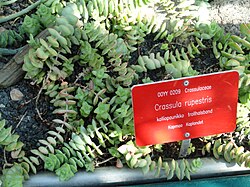
For example, the name Crassula rupestris tells a story: crassus means thick or fat, and rupestris refers to living on cliffs or rocks.
Key Facts
- Binomial Nomenclature uses a genus name and a specific epithet to uniquely identify a species.
- Descriptive Roots often refer to color (e.g., albus for white), size (e.g., macro for large), or shape (e.g., cordata for heart-shaped).
- Geographic Roots indicate where a species was first discovered or is native to (e.g., brasiliensis for Brazil).
- Morphological Roots describe physical traits like aculeatus (prickly) or auritus (large-eared).
Common Descriptive Roots
Many species names focus on the visual appearance of the organism. These descriptors allow researchers to categorize species based on observable traits.
Color and Light
Colors are among the most frequent descriptors in taxonomy. For instance, albus (white) is seen in the white oak (Quercus alba), while niger or melano (black) appears in the black-browed albatross (Thalassarche melanophris). Other common color roots include aureus (golden), cyanus (blue), and viridis (green), as seen in the green alder (Alnus viridis).
Size and Shape
Terms describing dimensions help distinguish between closely related species. The prefix macro- indicates something large (e.g., macrocephalus for big-headed), while brachy- or parvus indicates something short or small. Shape-based terms like cordata (heart-shaped) and angustus (narrow) provide specific clues about leaf or body structures.
Geographic and Habitat Indicators
When a species is unique to a specific region or environment, its name often reflects its home. This is particularly useful for identifying endemic species.
Regional Origins
Many names are simply Latinized versions of place names. Examples include americanus (America), asiaticus (Asia), canadensis (Canada), and japonicus (Japan). For instance, the Brazilian brown bat is named Eptesicus brasiliensis.
Environmental Habitats
Roots can also describe the specific ecosystem where a creature thrives. Sylvestris refers to woodland or forest areas, marinus or pelagicus refers to the sea, and rupicola describes organisms that live on rocks or cliffs.
Summary of Common Biological Roots
| Root | Meaning | Example Species |
|---|---|---|
| Albus / Leuco | White | Quercus alba (White oak) |
| Aureus / Chryso | Golden | Canis aureus (Golden jackal) |
| Macro- | Large / Long | Tachyoryctes macrocephalus (Big-headed mole rat) |
| Brachy- / Brevis | Short / Small | Brachycephalus didactylus (Brazilian gold frog) |
| Melano- / Niger | Black | Thalassarche melanophris (Black-browed albatross) |
| Sylvestris | Forest / Wild | Various woodland species |
| Rupestris / Rupicola | Rock-dwelling | Crassula rupestris |
Frequently Asked Questions
Why are Latin and Greek used for scientific names?
Latin and Greek are considered "dead languages," meaning they no longer evolve. This provides a stable, universal standard that prevents confusion caused by regional common names.
What does the term "binomial nomenclature" mean?
It is the system of naming species using two parts: the genus name (which groups closely related species) and the specific epithet (which identifies the unique species within that genus).
How can I tell if a species name refers to a location?
Look for suffixes like -ensis, -icus, or -ica combined with a known place name, such as brasiliensis (Brazil) or asiaticus (Asia).
What is the difference between a genus and a species name?
The genus is the first part of the name and represents a broader group of organisms. The species name is the second part and is more specific, often describing a unique trait of that particular organism.
Can a species name describe a behavior?
Yes, some names describe habits or behaviors, such as familiaris for domestic animals (e.g., Canis lupus familiaris) or repens for creeping plants.