Bicameralism: How Two-Chamber Legislatures Shape Global Governance
In the world of political science, the structure of a law-making body can profoundly influence how a nation is governed. One of the most prominent structures is bicameralism, a system where the legislature is divided into two separate assemblies, chambers, or houses. This stands in contrast to unicameralism, where all members deliberate and vote as a single, unified group.
As of 2022, approximately 40% of national legislatures worldwide are bicameral. While unicameralism is more common at the national level (representing 60%) and even more prevalent in subnational governments, bicameral systems remain a cornerstone of many of the world's most influential democracies.
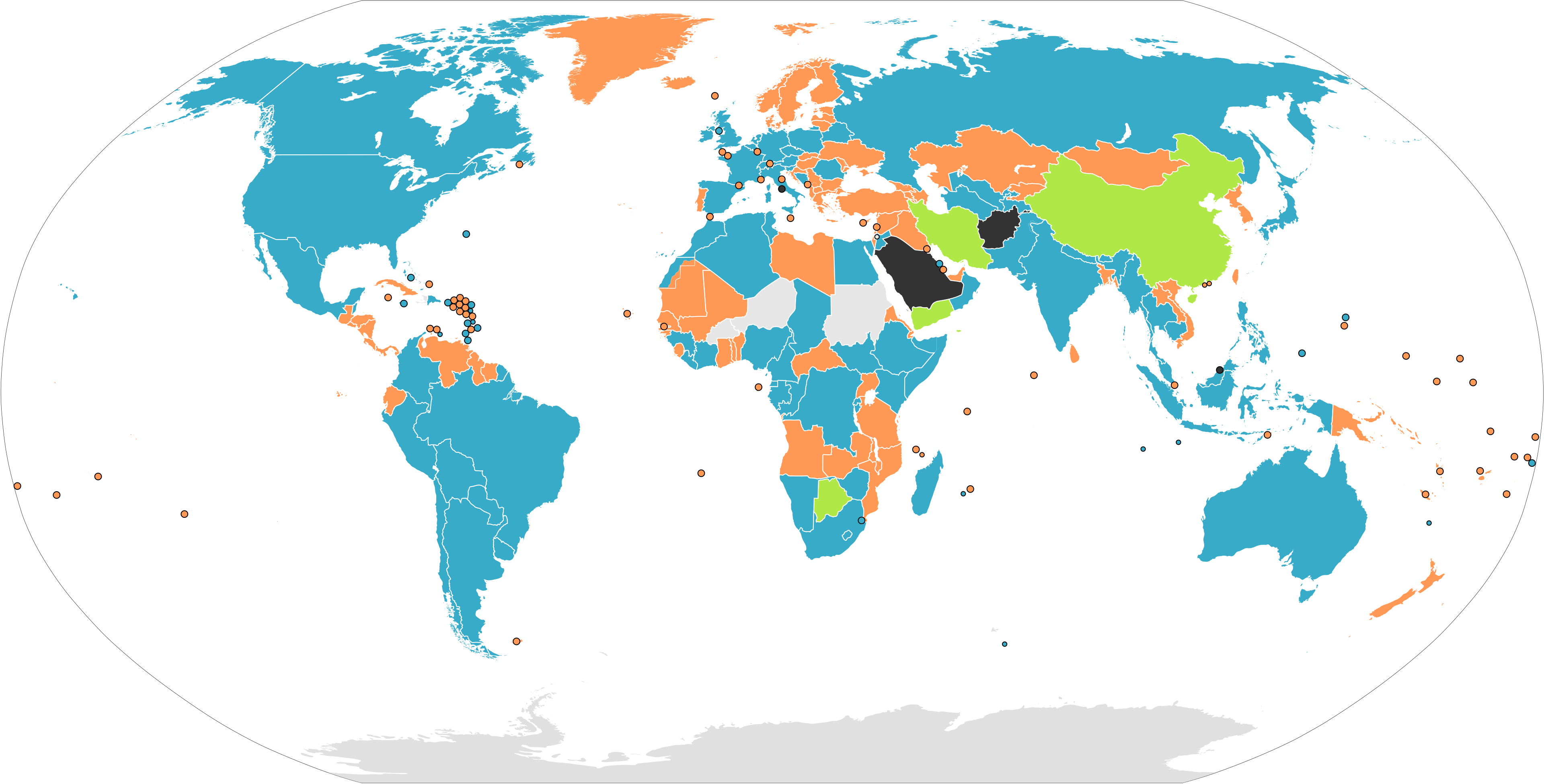
Key Facts

- Bicameralism involves two legislative chambers; unicameralism involves one.
- Roughly 40% of national legislatures are bicameral as of 2022.
- Perfect bicameralism occurs when primary legislation requires a concurrent majority (approval from both houses).
- Imperfect bicameralism occurs when one house (usually the one the executive is responsible to) can overrule the other.
- Chambers often differ in their selection methods, membership composition, and specific powers.
The Mechanics of Two-Chamber Systems

The two houses of a bicameral legislature are typically referred to as the Upper House and the Lower House. These chambers are often elected or selected using different methods, which ensures that the two bodies have distinct compositions and perspectives.
Perfect vs. Imperfect Bicameralism
The power balance between these two houses defines the type of bicameralism in practice. In a system of perfect bicameralism, a bill must be passed by a majority in both chambers to become law. This creates a system of rigorous checks and balances.
Conversely, imperfect bicameralism is common in parliamentary and semi-presidential systems. In these cases, the house to which the executive is responsible—such as the UK House of Commons or the French National Assembly—holds superior power and can overrule the upper house (such as the UK House of Lords or the French Senate).
Inter-House Communication
Because the two houses must often coordinate to pass legislation, formal communication methods are essential. These include:
- Sending formal messages and transmissions.
- Holding joint sessions.
- Establishing joint committees.
- Conducting conferences to resolve differences.
Global Examples of Bicameralism
Federal Systems
Bicameralism is frequently used in federal states to balance the interests of the general population with the interests of regional states or provinces.
In Australia, the Senate (Upper House) uses a single transferable vote system of proportional representation. It consists of 76 senators: 12 from each of the six states and two from each of the two autonomous internal territories.

Other notable federal examples include the United States, where the Congress consists of the Senate and the House of Representatives, and India, where the Parliament is split into the Rajya Sabha (Council of States) and the Lok Sabha (House of the People).


Unitary and Aristocratic Systems
Not all bicameral systems are federal. Some unitary states (nations with a centralized government) utilize two houses for different reasons. The United Kingdom is a primary example, featuring the House of Commons and the House of Lords, the latter of which has historical aristocratic roots.


Other unitary examples include France, Italy, and Japan. Some nations, like Ireland and the Netherlands, utilize indirectly elected upper houses.
Subnational Bicameralism
Bicameralism also exists below the national level. For example, Argentina utilizes provincial legislatures with two chambers.

Comparative Overview of National Bicameral Legislatures
The following table provides a snapshot of various bicameral bodies across different government types.
| Country | System Type | Upper House | Lower House | Upper Seats | Lower Seats |
|---|---|---|---|---|---|
| United States | Federal | Senate | House of Representatives | 100 | 435 |
| India | Federal | Rajya Sabha | Lok Sabha | 245 | 543 |
| United Kingdom | Unitary | House of Lords | House of Commons | 770 | 650 |
| Australia | Federal | Senate | House of Representatives | 76 | 150 |
| Brazil | Federal | Senate | Chamber of Deputies | 81 | 513 |
| France | Unitary | Senate | National Assembly | 348 | 577 |
Frequently Asked Questions
What is the main difference between bicameralism and unicameralism?
Bicameralism is a legislative system with two separate chambers or houses, whereas unicameralism is a system where all members of the legislature deliberate and vote as a single group.
What is the difference between perfect and imperfect bicameralism?
Perfect bicameralism requires a majority vote in both houses for legislation to pass. Imperfect bicameralism allows one house—typically the lower house—to overrule the other under certain conditions.
Why do federal countries often use bicameral legislatures?
Federal countries often use two houses to balance representation. While the lower house typically represents the population at large, the upper house often represents regional states or provinces, ensuring smaller regions have a voice.
Can a country switch from bicameralism to unicameralism?
Yes. For example, the German state of Bavaria had a bicameral legislature from 1946 until 1999, when the Senate was abolished via a referendum to amend the state's constitution.
How do the two houses in a bicameral system communicate?
They communicate through formal methods such as sending official messages, holding joint sessions, forming joint committees, or conducting conferences to reconcile different versions of a bill.