Bernard Freyberg: The Soldier of Two Nations
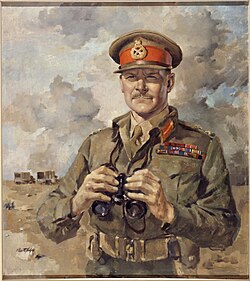
Lieutenant-General Bernard Cyril Freyberg, 1st Baron Freyberg, was a distinguished military leader and statesman whose life spanned the most turbulent decades of the 20th century. A British-born soldier with deep ties to New Zealand, he earned the Victoria Cross (VC)—the highest award for gallantry in the face of the enemy—and eventually served as the 7th Governor-General of New Zealand. Known by the nickname "Tiny," Freyberg's career was marked by extraordinary bravery, resilience in the face of severe injury, and a lifelong commitment to the service of two nations.
Key Facts
- Highest Rank: Lieutenant-General.
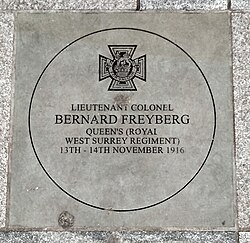
- Major Honors: Victoria Cross (VC), GCMG, KCB, KBE, and the Distinguished Service Order (DSO) with three bars.
- Political Role: 7th Governor-General of New Zealand (1946–1952).
- Key Commands: 2nd New Zealand Division and the 2nd New Zealand Expeditionary Force.
- Notable Battles: The Somme, Battle of Crete, Second Battle of El Alamein, and the Second Battle of Monte Cassino.
Early Life and Athleticism
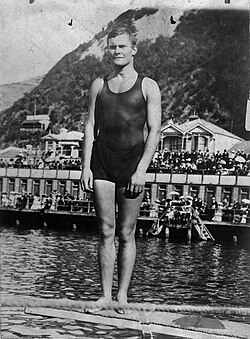
Born on March 21, 1889, in Richmond, Surrey, England, Freyberg spent his formative years in New Zealand. He attended Wellington College from 1897 to 1904 and established himself as an elite athlete, winning the New Zealand 100-yards swimming championship in both 1906 and 1910.
His military journey began in the New Zealand Territorial Army, where he was commissioned as a Second Lieutenant in the Hauraki Regiment in 1911. During this period, he balanced his military duties with a role as a locum dentist in Annandale, near Morrinsville, before eventually moving to Levin.
Heroism in the First World War
At the outbreak of World War I, Freyberg returned to England to volunteer. He joined the 7th "Hood" Battalion of the Royal Naval Brigade and saw action on the Belgian front by September 1914. His determination led him to secure a commission in the Royal Naval Volunteer Reserve (RNVR) after persuading Winston Churchill, then First Lord of the Admiralty.
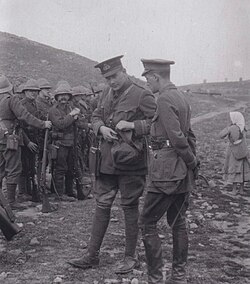
Freyberg's rise was meteoric. By April 1917, he was promoted to temporary brigadier general, commanding the 173rd Brigade. This appointment reportedly made him the youngest general officer in the British Army. However, his progress was nearly halted in September 1917 when a heavy shell exploded at his feet, causing catastrophic injuries to his lung and thigh. Despite fears that he might lose a leg or his life, he returned to duty in January 1918.
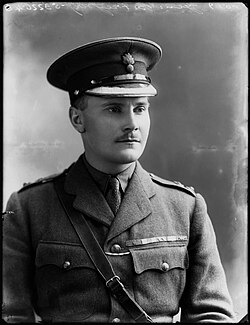
He concluded the war with a series of daring feats, including seizing a bridge at Lessines just one minute before the armistice took effect. By the end of the conflict, he was one of the most decorated soldiers of the British Empire, holding the Victoria Cross and three bars to his DSO.
The Interwar Years and Medical Challenges
Following the war, Freyberg joined the Grenadier Guards and attended the Staff College, Camberley. Despite his professional success, he struggled with health issues stemming from his wartime wounds. He married Barbara McLaren in 1922, and together they had a son, Paul.
Freyberg continued to excel, representing New Zealand on the International Olympic Committee (1928–1930) and commanding the 1st Battalion, Manchester Regiment. However, in 1937, a medical examination revealed a heart problem, forcing his retirement from active service at the age of 48.
Leadership in the Second World War
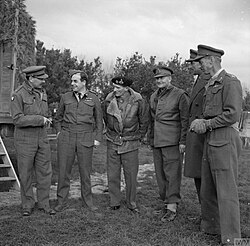
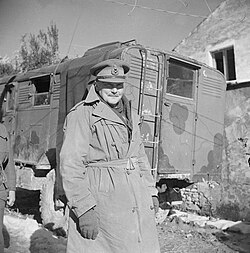
The outbreak of World War II saw Freyberg return to active duty. The New Zealand Government requested his leadership, and he was appointed commander of the 2nd New Zealand Expeditionary Force and the 2nd New Zealand Division.
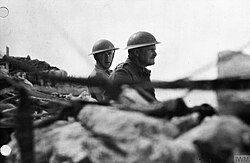
Freyberg led New Zealand forces through some of the war's most grueling campaigns. He played a pivotal role in the breakthrough at the Second Battle of El Alamein in 1942 and later commanded X Corps during the pursuit of Axis forces in Tunisia. His leadership extended through the German invasion of Greece and the Battle of Crete.
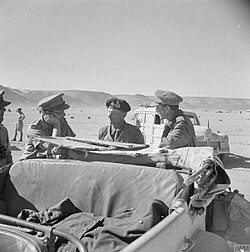
In the Italian campaign, Freyberg oversaw the difficult Second Battle of Monte Cassino and the final 1945 offensive, which saw New Zealand forces advance 250 miles in three weeks to liberate Padua and Venice, eventually reaching Trieste.
Governor-General and Later Life
In 1946, Freyberg transitioned from military command to diplomacy when he was appointed the 7th Governor-General of New Zealand. He was the first person raised and educated in New Zealand to hold the office. He served until 1952, actively visiting all parts of the country and its dependencies.
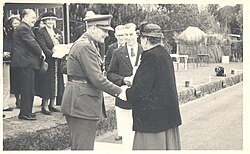
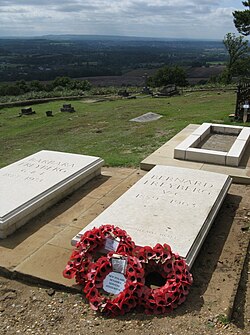
In 1951, he was created a peer as Baron Freyberg. He spent his final years in England, passing away on July 4, 1963, at the age of 74. He is buried in the churchyard of St Martha on the Hill in Surrey.
Summary of Service and Honors
| Category | Details |
|---|---|
| Military Ranks | Lieutenant-General (Final Rank) |
| Key Commands | 2nd NZ Division, X Corps, 88th Infantry Brigade |
| Major Awards | Victoria Cross, DSO & Three Bars, GCMG, KCB, KBE |
| Political Office | Governor-General of New Zealand (1946–1952) |
| Peerage | 1st Baron Freyberg (Created 1951) |
Frequently Asked Questions
Why was Bernard Freyberg known as the youngest general in the British Army?
Freyberg was promoted to the rank of temporary brigadier general in April 1917 while commanding the 173rd Brigade, a promotion that reportedly made him the youngest general officer in the British Army at that time.
What was Freyberg's role in the Second World War?
He commanded the 2nd New Zealand Expeditionary Force and the 2nd New Zealand Division from 1939 to 1945, leading troops in Greece, Crete, North Africa, and Italy.
What is the significance of the Victoria Cross in Freyberg's career?
The Victoria Cross is the highest award for gallantry in the British Empire. Freyberg earned it during World War I for his exceptional bravery, marking him as one of the most highly decorated soldiers of the era.
How did Freyberg contribute to New Zealand after the war?
He served as the 7th Governor-General of New Zealand from 1946 to 1952, becoming the first person raised and educated in New Zealand to hold the position.
What health issues affected his military career?
Freyberg suffered severe wounds during World War I, including a lung injury. Later, in 1937, a heart problem was discovered during a medical examination, which forced his initial retirement from the army before he was recalled for World War II.