BBC Radio 6 Music: A History of Digital Innovation and Controversy
Launched at the dawn of the digital broadcasting era, BBC Radio 6 Music has evolved from a niche experimental project into a cornerstone of alternative music in the UK. Since its inception, the station has navigated shifts in leadership, public campaigns for survival, and the transition from traditional radio to digital-first streaming.
The Origins of "Network Y"
The concept for the station emerged in October 2000. Originally developed under the working title "Network Y," it was designed as a digital-only service. This was part of a broader BBC strategy that included "Network X" (which became BBC Radio 1Xtra) and "Network Z" (which became BBC 7, now known as BBC Radio 4 Extra).
BBC 6 Music officially went on air at 7 a.m. on Monday, 11 March 2002. The first record played was "Burn Baby Burn" by Ash, and the launch show was hosted by Phill Jupitus. The initial roster of presenters featured a diverse mix of talent, including Tom Robinson, Janice Long, Bob Harris, and Bruce Dickinson.

Operational Shifts and Studio Moves
Over the decades, the station's physical presence has shifted to accommodate the BBC's evolving infrastructure. In March 2006, the station moved from Broadcasting House to Wogan House (then called Western House) to facilitate the regeneration of the main BBC headquarters.
By 2011, the BBC began decentralizing its operations, moving several staff members and shows to MediaCityUK in Salford, near Manchester. Located on the ground floor of Dock House, these studios became the home for prominent programs such as Radcliffe & Maconie and shows hosted by Marc Riley and Mary Anne Hobbs.
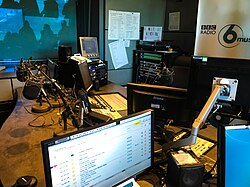
After 18 years at Wogan House, the station completed a full circle on 11 February 2024, broadcasting from that location for the final time before returning to new studios within Broadcasting House.
The Fight for Survival: #SaveBBC6Music
One of the most defining periods in the station's history occurred in February 2010. Reports suggested that the BBC Trust might axe the station following a review that claimed only 20% of UK residents were aware of its existence and that it lacked expert credibility.
The proposed closure sparked a massive public backlash. The hashtag #SaveBBC6Music trended on Twitter, and a Facebook group grew to nearly 180,000 members. High-profile figures, including Pulp singer Jarvis Cocker, led the charge. Supporters even launched a chart campaign for Half Man Half Biscuit's "Joy Division Oven Gloves," which reached No. 3 on the Independent Singles Chart.
Despite rumors that the station would be rebranded as "Radio 2 Extra" and limited to 12 hours of daily broadcasting, the BBC Trust ultimately decided not to close the station five months after the rumors began.
Modern Era and Strategic Shifts
The 2020s have brought significant changes to the station's identity. Following the departure of Paul Rodgers in 2020, Samantha Moy took over as Head of Station, implementing a series of schedule changes that some critics described as a "culture shift."
Recent years have seen tension between the station's traditional alternative roots and a new strategy aimed at attracting listeners aged 25 to 44. This has led to several controversies:
- Programming Changes: The introduction of all-day pop programming has been criticized by some executives as being too similar to commercial radio.
- Presenter Departures: Long-time host Shaun Keaveny left in 2021, and in 2023, the hours for Gideon Coe and Marc Riley were reduced to make room for New Music Fix Daily.
- Content Reduction: The weekly hours dedicated to new alternative music dropped from 20 to eight, leading to claims that the station was losing its core purpose.

Recent Leadership and Expansion
In January 2025, Nick Grimshaw took over the breakfast show, replacing Lauren Laverne, who returned to her mid-morning slot following a cancer diagnosis. Looking toward the future, the BBC expanded the brand on 22 July 2026 with the launch of 6 Indie Forever, a BBC Sounds extension focusing on indie rock and pop from the 1980s to the present.
Key Facts
- Launch Date: 11 March 2002.
- First Song Played: "Burn Baby Burn" by Ash.
- Key Locations: Broadcasting House (London) and MediaCityUK (Salford).
- Major Campaign: The 2010 #SaveBBC6Music movement prevented the station's closure.
- Digital Extension: 6 Indie Forever launched on BBC Sounds in July 2026.
| Year | Event | Significance |
|---|---|---|
| 2000 | Proposed as "Network Y" | Initial conceptualization as digital-only. |
| 2002 | Official Launch | Station begins broadcasting on 11 March. |
| 2010 | Closure Threat | Massive public campaign saves the station. |
| 2011 | Salford Move | Expansion to MediaCityUK. |
| 2024 | Return to Broadcasting House | End of 18-year tenure at Wogan House. |
| 2026 | 6 Indie Forever Launch | Exclusive indie stream on BBC Sounds. |
Frequently Asked Questions
What was BBC Radio 6 Music originally called?
Before its official launch, the station was developed under the working title "Network Y."
Why was there a campaign to save the station in 2010?
The BBC Trust reviewed the station's viability, and reports suggested it might be closed due to low awareness among the UK population and a perceived lack of expert credibility among presenters.
Where is BBC Radio 6 Music based?
The station operates from studios in Broadcasting House in London and has a significant presence at MediaCityUK in Salford.
What is 6 Indie Forever?
Launched in July 2026, 6 Indie Forever is a specialized stream available exclusively on BBC Sounds that focuses on indie rock and pop music from the 1980s to the present day.
Who is the current breakfast show host?
As of January 2025, Nick Grimshaw is the host of the breakfast show, having replaced Lauren Laverne.