BBC News: A Century of Global Journalism and Media Evolution
For over 100 years, BBC News has served as a cornerstone of global broadcast media. Since its founding on 14 November 1922, the division has evolved from early radio broadcasts into a multi-platform powerhouse, delivering news via television, radio, and the internet to audiences across the United Kingdom and the rest of the world.
Today, the organization is a massive operation, employing approximately 7,000 people, including 5,500 dedicated journalists. Under the leadership of CEO Deborah Turness (News and Current Affairs) and Director of Journalism Jonathan Munro (Deputy CEO), the division continues to navigate the complexities of the modern digital age.
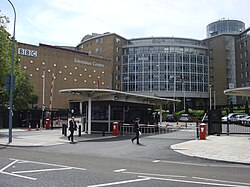
Key Facts
- Founded: 14 November 1922
- Headquarters: Broadcasting House, London
- Total Employees: Approximately 7,000
- Journalist Workforce: 5,500
- Primary Services: Radio, internet, and television broadcasts
- Parent Organization: BBC
The Evolution of News Production
The history of BBC News is marked by significant shifts in technology and physical location. In the mid-20th century, news production underwent major transitions as television became a dominant medium.
The Television Centre Era
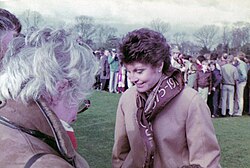
A major milestone occurred in September 1969, when Television News moved to the iconic BBC Television Centre. This era saw the rise of legendary presenters and the expansion of news formats. For instance, in 1975, Angela Rippon made history by becoming the first female news presenter.
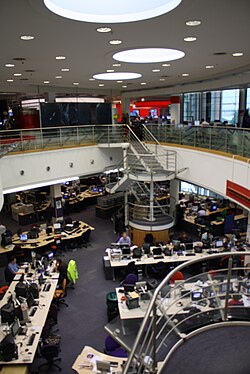
As the decades progressed, the need for integrated newsgathering grew. In 1998, a combined newsroom for domestic television and radio was opened at the Television Centre in West London, streamlining the production process for various media formats.
The Move to Broadcasting House
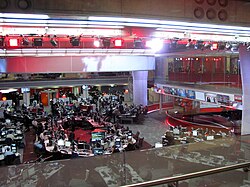
In recent years, the BBC has transitioned its operations to a new centralized hub. The move to Broadcasting House represents a modern era of journalism, integrating digital and traditional workflows into a single state-of-the-art facility.
Digital Expansion and Global Reach
As media consumption shifted from traditional airwaves to digital screens, BBC News adapted by expanding its online presence. The division now operates through several key branches, including BBC News Online and the BBC News TV Channel.
To ensure accessibility and security, the BBC has even launched "dark web" mirror sites on the Tor network, providing news access through onion services for users in various global regions. This digital-first approach has helped the BBC maintain its status as one of the world's most visited news sites.

The organization's reach is supported by extensive aerial and field resources, including specialized news helicopters to cover breaking events across London and beyond.

Summary of BBC News Operations
| Category | Details |
|---|---|
| Industry | Broadcast media |
| Core Divisions | BBC News Online, BBC News (TV Channel) |
| Global Presence | United Kingdom and international services |
| Digital Platforms | bbc.com (UK & Global), Onion mirror sites |
Frequently Asked Questions
When was BBC News founded?
BBC News was founded on 14 November 1922, making it over 100 years old.
Where is the BBC News headquarters located?
The headquarters is located at Broadcasting House in London.
Who leads the BBC News and Current Affairs division?
The division is led by CEO Deborah Turness, with Jonathan Munro serving as the Director of Journalism and Deputy CEO.
How many journalists work for BBC News?
Out of approximately 7,000 total employees, about 5,500 are journalists.
What platforms does BBC News use to deliver information?
BBC News provides content through radio, television broadcasts, and internet-based services.