Badaro: The Green Heart and Cultural Hub of Beirut
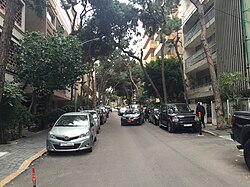
Nestled in the center of Lebanon's capital, Badaro is a unique residential neighborhood and business hub that blends cosmopolitan energy with a serene, village-like atmosphere. Often referred to as the "village" of Beirut, it is defined by its lush greenery, historic architecture, and a diverse array of cultural and diplomatic institutions.
Geographically, the neighborhood is bounded by Pierre Gemayel Avenue to the north, the Hippodrome to the west, Sami el Solh Avenue to the east, the Tayyouneh roundabout to the south, and the city's expansive pine forest to the southeast.
Key Facts
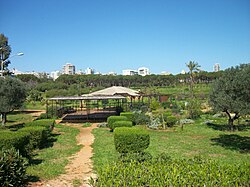
- Green Spaces: Home to the 75-acre Horsh Beirut (pine forest) and a 50-acre hippodrome.
- Cultural Identity: Known as "Little Paris" due to the concentration of French embassies, schools, and residences.
- Legal Hub: Houses the Ministry of Justice, the Beirut Courts, and most of the country's law firms.
- Architecture: Features a mix of post-modern low-rise buildings on stilts and mid-century designs by architects like Jean Royere.
The "Little Paris" of Beirut
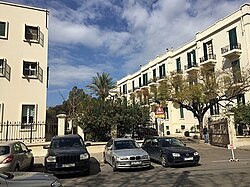
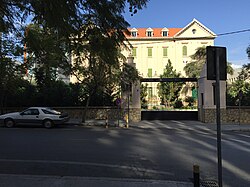
The area surrounding the museum square is affectionately called "Little Paris." This designation stems from the high density of French facilities, including the French embassy and consulate, the Lycée Français, and various campuses of the Université Saint Joseph. A centerpiece of this district is the Pine Residence (La residence des pins), a stunning 19th-century palace that serves as the residence of the French ambassador.
History and Architecture
The natural landscape of Badaro is deeply rooted in history. While some believe Emir Fakhreddin planted the pine trees in the 17th century to prevent sand from advancing south, earlier records from the 13th century by William of Tyre mention a forest called "La Pinée" or "Sapinoie" stretching from the sea to the northern border of the district.
Architecturally, the neighborhood is characterized by low-rise post-modern buildings, many of which are built on stilts. The area's cosmopolitan spirit of the 1950s and 60s—a period of "dolce vita"—has been immortalized in the writings of French author Richard Millet.
However, the neighborhood faced significant hardship during the Lebanese civil war (1975–1990). As a frontline Christian neighborhood, Badaro saw a mass exodus of its residents to Europe and other safer regions of Lebanon.
Religious and Educational Diversity
Badaro is a mosaic of different faiths and educational institutions. The neighborhood hosts a wide variety of churches and religious sites:
- Syriac Catholic Patriarchate: A palace surrounded by gardens on Damascus Street.
- Greek Catholic Bishop's Palace: Rebuilt in traditional limestone style after being destroyed during the civil war.
- Maronite Churches: Including the modern Sacred Heart of Jesus and Notre Dame of Lourdes.
- Roman Catholic and Protestant: The Notre Dame des Anges features a mosaic façade, while a nearby Protestant church serves the local community.
- Franciscan Convent: Located adjacent to the Hippodrome, where Sunday mass is frequently attended by Ethiopian domestic workers.
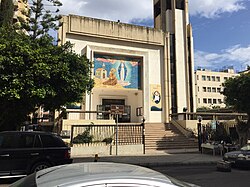
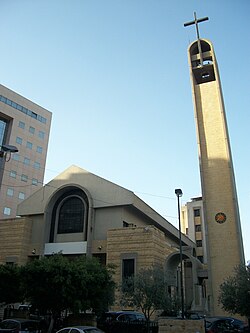
Education is equally prominent, with several institutions located near the Hippodrome, including College Louise Wegman, College Saint Sauveur (associated with Jesuit Jamhour college), the Syrian Catholic Lycée du Musée, and the Franciscan school. Additionally, the semi-tubular Notre Dame church of "College des Frères de la Salle" is a landmark on Sami el Solh Avenue.
Economy and Local Attractions
Badaro is a primary destination for both tourists and professionals. The National Museum of Beirut and the Mineral Museum (MIM) are the area's top cultural attractions. For recreation, the 75-acre Horsh Beirut is a popular spot for walking and jogging.
The economic landscape is split between corporate and governmental sectors. Sami el Solh Avenue and Pierre Gemayel Avenue are lined with corporate headquarters and high-rise office towers, many of which house major banks. The neighborhood also serves as the legal heart of Lebanon, containing the Ministry of Justice and the Beirut Courts.
In the southwest, a dedicated military hospital sector exists as an enclave, providing barracks, healthcare, and shopping cooperatives for military and police personnel and their families.
| Category | Key Features |
|---|---|
| Major Parks | Horsh Beirut (75 acres), Beirut Hippodrome (50 acres) |
| Key Institutions | National Museum of Beirut, Ministry of Justice, French Embassy |
| Architecture | Post-modern low-rise, Jean Royere designs, 19th-century palaces |
| Nickname | "Little Paris" / The "Village" of Beirut |
Frequently Asked Questions
What is "Little Paris" in Beirut?
"Little Paris" refers to the area around the museum square in Badaro, characterized by its high concentration of French institutions, including the embassy, consulate, and the Pine Residence.
What are the main museums in Badaro?
The neighborhood is home to the National Museum of Beirut and the Mineral Museum (MIM).
What is Horsh Beirut?
Horsh Beirut is a 75-acre public pine forest used for jogging, walking, and recreation.
Why is Badaro considered a legal hub?
Badaro houses the Ministry of Justice, the Beirut Courts, and the majority of Lebanon's law firms.
How did the Lebanese civil war affect Badaro?
As a frontline Christian neighborhood between 1975 and 1990, Badaro experienced a significant exodus of its population to Europe and other safer areas of the country.