Baalbek: The Ancient City of the Sun in Lebanon
Located in the fertile Beqaa Valley, east of the Litani River, Baalbek is one of the most significant archaeological sites in the world. Situated approximately 67 km northeast of Beirut, this city serves as the capital of the Baalbek-Hermel Governorate. Known in antiquity as Heliopolis, the "City of the Sun," Baalbek is a place where colossal Roman architecture meets a complex history of religious and political transformation.
Today, the city is a vibrant center of culture and faith, with a population primarily composed of Shia and Sunni Muslims, as well as Christians. While it remains a vital modern urban center, it is most famous globally for its massive temple complex, which earned it a place as a UNESCO World Heritage site in 1984.
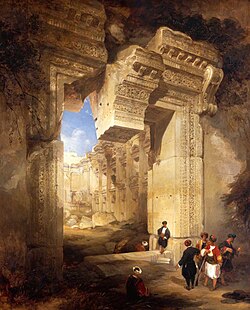
Key Facts
- UNESCO Status: Inscribed as a World Heritage site in 1984.
- Major Monuments: Home to the Temple of Bacchus and the Temple of Jupiter.
- Elevation: Situated at 1,170 meters (3,840 feet) above sea level.
- Demographics: A diverse population with a majority of Shia Muslims (59.61%) and Sunni Muslims (34.24%).
- Ancient Name: Known as Heliopolis during the Hellenic and Roman periods.
The Grandeur of Ancient Heliopolis
Following the conquests of Alexander the Great in the 330s BC, the city became part of the Diadochi kingdoms before being annexed by the Romans. It was established as a Roman colony, likely settled by veterans of the 5th and 8th Legions under Augustus. During this era, Baalbek became a focal point of imperial power, mentioned by renowned historians such as Pliny, Strabo, and Ptolemy.
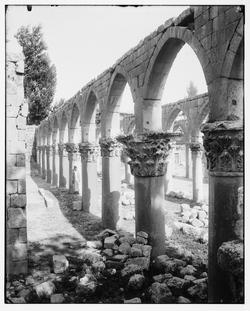
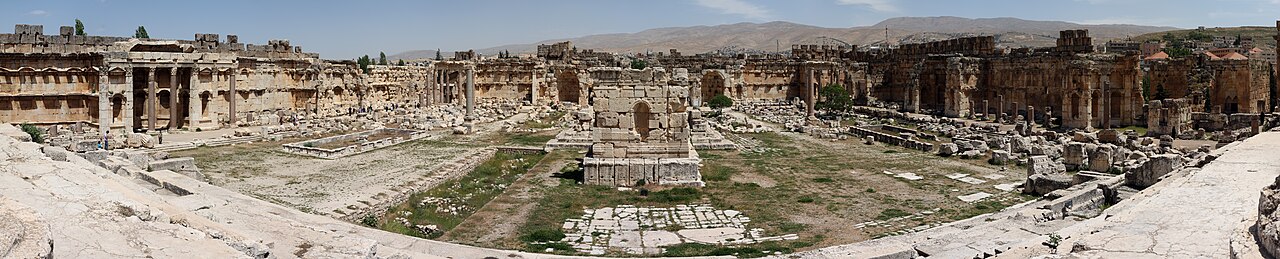
The architectural scale of the Roman complex is legendary. The Temple of Jupiter was once a massive structure featuring 58 columns; today, only six remain standing due to centuries of earthquakes and the removal of stone for other fortifications. The Temple of Bacchus is equally renowned for its preservation and intricate detail.
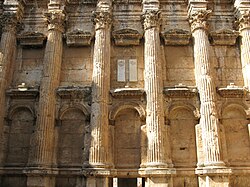
The Temple of Venus and Other Ruins
The Temple of Venus, also called the Circular Temple or Nymphaeum, was added in the early 3rd century under Septimius Severus. Though later destroyed by Constantine to make way for a basilica, it was long considered a "gem" of the site. The complex was constructed using local white granite and rough white marble, some of which includes the largest ancient stone blocks ever uncovered.
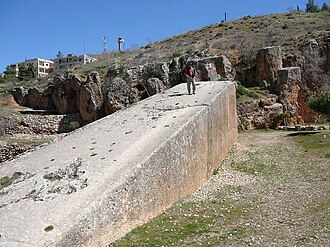
Medieval Transitions and Early Modernity
As the Roman era faded, Baalbek transitioned into a medieval stronghold. The temple complex was fortified as a citadel, and the city saw various rulers, including the Ayyubids and the Mamluks. By the 12th century, travelers like Benjamin of Tudela noted the enduring legends surrounding the temples, some of which were attributed to King Solomon.
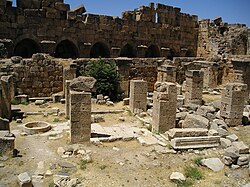
The early modern period was marked by instability. The city suffered during the 1759 earthquakes and was often a site of conflict between local tribes and governors, such as Jezzar Pasha of Acre. By 1835, the population had dwindled to barely 200 people before the Ottoman Empire established direct administration in 1850.
Modern History and Conflict
In the early 20th century, Baalbek was connected to the regional rail network via the French-owned railway concession in 1902. However, this infrastructure suffered as the region entered a period of intense conflict. The Lebanese Civil War (1975–1990) and subsequent tensions involving Hezbollah and Israeli forces have significantly impacted the city.
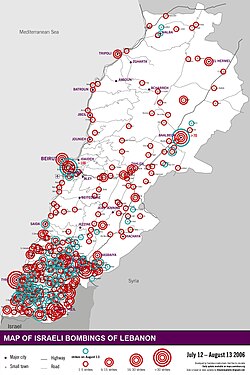
During the 2006 Lebanon War, Baalbek was a major target of Israeli bombing. While the ancient ruins were not hit directly, the shockwaves from nearby blasts caused structural damage, toppling stone blocks and widening existing cracks in the temples of Jupiter and Bacchus.
Culture, Economy, and Tourism
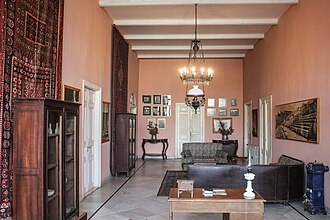
Despite the challenges of war, Baalbek remains a premier tourist destination. Visitors are drawn to the Baalbek International Festival, the Great Umayyad Mosque, and the historical Hotel Palmyra, which first opened its doors in 1878.
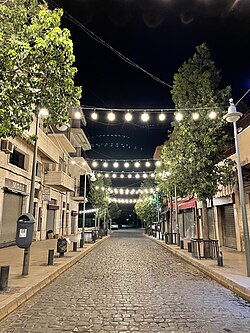
The local economy is supported by tourism and the traditional Old Souk, where local crafts and goods are traded.
City Overview Summary
| Category | Detail |
|---|---|
| Location | Beqaa Valley, Lebanon |
| Population (City) | 82,608 (1998) |
| Elevation | 1,170 m |
| Primary Religions | Shia Islam, Sunni Islam, Christianity |
| UNESCO Status | World Heritage Site (since 1984) |
| Key Landmarks | Temples of Jupiter & Bacchus, Umayyad Mosque |
Frequently Asked Questions
What are the most famous ruins in Baalbek?
The most famous ruins are the Temple of Jupiter and the Temple of Bacchus, both of which are part of a massive Roman temple complex known for its colossal scale and intricate carvings.
Why is Baalbek a UNESCO World Heritage site?
Baalbek was inscribed in 1984 due to its exceptional cultural value, specifically the architectural grandeur and preservation of its Roman temple complex.
How has conflict affected the ancient ruins?
While not directly hit by bombs, the ruins have suffered from shockwaves during the 2006 Lebanon War, as well as damage from historical earthquakes and the reuse of stones for medieval fortifications.
What is the significance of the name Heliopolis?
Heliopolis is the Hellenic name for Baalbek, meaning "City of the Sun," reflecting the city's ancient role as a center for solar worship.
What is the demographic makeup of the city?
The population is predominantly Muslim, with Shia Muslims making up approximately 59.61% and Sunni Muslims 34.24%, alongside a Christian minority of about 5.66%.
![1911 diagram of the ruins after the Puchstein excavations.[173] (Facing SW, with the Temple of Jupiter labelled "Temple of the Sun")](/images/23/26/23263b878efaa26771f9f2cd9a2c370a8de4c78aaffa834406222a11938b79b6.png)