Aviculture: The Art and Science of Keeping and Breeding Birds
Aviculture is the practice of keeping and breeding birds in controlled conditions, typically within cages or aviaries. While many associate it simply with pet ownership, it is a multidisciplinary field that intersects with biology, ecology, veterinary science, and conservation management. From the ancient domestication of poultry to modern efforts to save endangered species, aviculture plays a vital role in both human culture and avian biodiversity.
The practice ranges from hobbyist bird keeping and companion animal care to commercial ventures, zoo management, and rigorous scientific research. By maintaining birds in captivity, aviculturists can study avian behavior, provide public education, and create safety nets for species threatened by habitat loss and illegal trade.
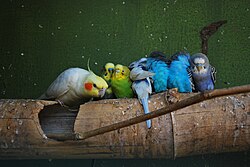
Key Facts
- Scope: Includes everything from poultry husbandry to the breeding of rare exotic species.
- History: Evidence of bird keeping dates back over 6,000 years, with pigeons kept as early as 4500 B.C.
- Conservation: Captive breeding programs help preserve endangered species and support reintroduction into the wild.
- Global Impact: Human translocation of birds has significantly altered global biodiversity, particularly during the era of European colonization.
- Popular Species: Common birds in aviculture include budgerigars, cockatiels, macaws, African grey parrots, and finches.
The History and Evolution of Bird Keeping
Human interaction with birds is millennia old. Early civilizations kept birds for food, beauty, communication, and symbolism. Archaeological evidence suggests that the Terramare people domesticated chickens and ducks as early as 1700 B.C., while records from Mesopotamia indicate that pigeons were kept as far back as 4500 B.C.
The Origins of Domestication
The domestication of poultry was closely linked to the rise of early agriculture. In Southeast Asia, between 1650 and 1250 B.C., the cultivation of millet and dry rice attracted wild red junglefowl to human settlements, fostering a symbiotic relationship. The goose (Anser cygnoides) is believed to be one of the first species kept by humans, with genetic evidence showing breeding occurred outside their natural ranges.
Pigeons, descended from rock doves (Columba livia), also have a deep history with humans. They were harvested by Neanderthals and later used by Ancient Egyptians for ceremonial offerings and by the Greeks for aesthetic and practical purposes.
Global Translocation of Species
The movement of birds across the globe occurred in two primary waves. The first took place between the 18th and 20th centuries, driven by European Acclimatisation Societies during the age of discovery. This period saw a massive shift in biodiversity; approximately 40% of all known bird introductions resulted from British activity in Hawaii, New Zealand, Australia, and the USA.
The second wave began in the late twentieth century and continues today, driven primarily by the international trade of wild birds for the pet industry.
Types of Aviculture
Aviculture is not a monolithic practice; it is divided into several distinct categories based on the goal of the keeper.
Companion Bird Keeping
Many people keep birds for pleasure and companionship. These birds often develop strong human-animal bonds, recognizing their owners and providing emotional interaction.
Captive Breeding and Conservation
Captive breeding programs aim to maintain healthy populations of rare or endangered species. While some breeding is done for the pet trade—which can unfortunately increase the illegal trafficking of wild birds—conservation-focused aviculture seeks to accumulate stocks for eventual reintroduction into the wild.
Falconry and Raptor Management
Falconry is the traditional art of training birds of prey for hunting. It is one of the oldest forms of aviculture, with prehistoric cave paintings depicting the practice as early as the 13th century BCE.
Challenges and Environmental Impact
Aviculture and human interference present several ecological challenges. Birds are highly sensitive to environmental changes. Habitat specialists, such as the Great Bustard (Otis tarda), suffer population declines when human infrastructure or grazing pressure increases.
Furthermore, the escape of exotic birds can lead to invasive populations that are difficult to control. Some argue that a permanent ban on the trade of wild-caught birds is the only effective way to prevent future invasions, suggesting that captive breeding should be the sole source for the exotic bird market.
Avicultural Societies
To standardize care and promote conservation, various societies have formed globally:
| Organization | Founded | Region | Focus |
|---|---|---|---|
| The Avicultural Society | 1894 | UK | General Aviculture |
| Avicultural Society of America (ASA) | 1927 | USA | Breeding, Conservation, Education |
| The Budgerigar Society | 1925 | UK | Budgerigar Breeding |
| Bird Keeping in Australia | 1928 | Australia | General Aviculture |
| Aviornis | 1973 | Europe | Bird Breeding |
Frequently Asked Questions
What is the difference between aviculture and poultry husbandry?
While poultry husbandry focuses specifically on birds raised for food or commercial products (like chickens and ducks), aviculture is a broader term that includes the keeping and breeding of all bird species, including exotic and wild birds, for hobbies, research, or conservation.
How does aviculture help endangered species?
Aviculture supports conservation through captive breeding programs. By maintaining genetically diverse populations in controlled environments, aviculturists can prevent extinction and, in some cases, reintroduce birds back into their natural habitats.
What are the risks of the exotic bird trade?
The demand for exotic birds can drive the illegal trafficking of wild populations. Additionally, if non-native birds escape into new environments, they can become invasive species that disrupt local ecosystems.
Which bird species was likely the first to be domesticated?
Evidence suggests that the goose (Anser cygnoides) was likely the first bird species to be kept by humans, followed by pigeons and later the domestic chicken.