Athletics: The History, Events, and Evolution of Track and Field
Athletics represents some of the oldest forms of organized competition known to humanity. Rooted in the most fundamental human movements—running, walking, jumping, and throwing—the sport has evolved from prehistoric rituals and ancient festivals into a highly regulated global phenomenon. Today, governed by World Athletics, the sport encompasses a vast array of disciplines that test the limits of human speed, strength, and endurance.
From the dusty tracks of ancient Greece to the high-tech synthetic surfaces of modern stadiums, athletics continues to be a centerpiece of the global sporting calendar, most notably as a cornerstone of both the Olympic and Paralympic Games.

Key Facts
- Governing Body: World Athletics (formerly IAAF).
- Olympic Presence: Included since the first modern Olympics in 1896.
- Paralympic Presence: Included since the inaugural 1960 Paralympics.
- Core Disciplines: Track and field, road running, cross country, and racewalking.
- Global Reach: Managed via six continental federations.
The History of Athletics
Ancient Origins
The roots of athletics are prehistoric. Evidence of these contests appears in Ancient Egyptian tombs in Saqqara, with illustrations of high jumping and running at the Heb Sed festival dating back to 2250 BC. Similarly, the Celtic Tailteann Games in Ireland, founded around 1800 BC, featured stone-throwing and running.
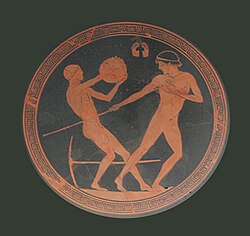
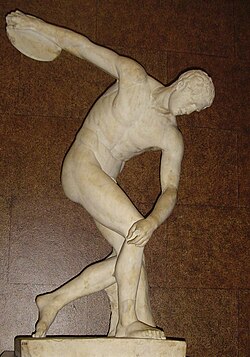
The most famous ancient precursor was the Olympic Games, starting in 776 BC. Initially, the only event was the stadion, a running race the length of the stadium. Over time, this expanded to include the ancient pentathlon, which integrated jumping and throwing events.
The Modern Era
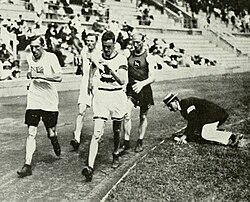
Modern organized athletics began to take shape in England during the 19th century. Early competitions were held at the Royal Military College, Sandhurst (1812) and the Royal Shrewsbury School Hunt (1840). By the 1850s, regular meetings were held at Exeter College, Oxford, and the Wenlock Olympian Games were established.
The first modern athletics clubs emerged at the University of Cambridge (1857) and the University of Oxford (1860), leading to the first varsity match in 1864. The London Athletic Club became the first independent club in 1863, and indoor meetings began appearing shortly thereafter.
Professionalization and Governance
The International Amateur Athletics Federation (IAAF) was founded in 1912 to standardize the sport. For much of the 20th century, the IAAF strictly enforced amateur status, meaning athletes could not be paid. However, as the sport grew, athletes pushed for remuneration.
The IAAF eventually adapted, launching the Golden Events series and the first outdoor World Championships in 1983. The organization rebranded as the International Association of Athletics Federations in 2001 and finally became World Athletics in 2019, reflecting the fully professional nature of the modern sport.
Athletics Events and Disciplines
Track and Field
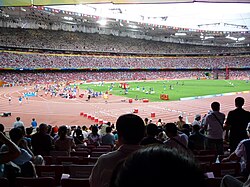
Track and field is the most recognized segment of athletics, typically held in a stadium with an oval track and a grassy inner field.
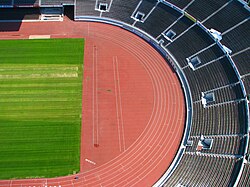
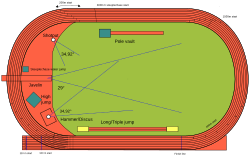
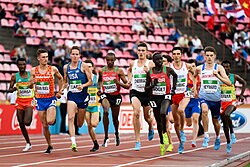
Track events are divided by distance and style:
- Sprints: 60m, 100m, 200m, and 400m.
- Middle-distance: 800m, 1500m, and 3000m.
- Long-distance: 5000m and 10,000m.
- Hurdles & Steeplechase: Various distances including 60m, 100m, 110m, 400m hurdles, and the 3000m steeplechase.
- Relays: 4 × 100m and 4 × 400m.
Field events focus on explosive power and technique:
- Jumps: Long jump, triple jump, high jump, and pole vault.
- Throws: Shot put, discus throw, hammer throw, and javelin throw.
Additionally, combined events like the Pentathlon, Heptathlon, and Decathlon test an athlete's versatility across multiple disciplines.

Road Running and Cross Country
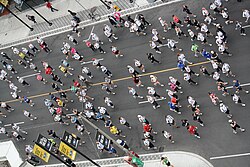
Road running includes marathons and other long-distance races held on city streets. Cross country involves running over natural terrain. While cross country was an Olympic event from 1912 to 1924, it is now primarily a standalone competition or part of the modern pentathlon.


Racewalking
Originating from 18th-century English "pedestrianism," racewalking requires athletes to maintain contact with the ground at all times. Common modern distances include 20km and 50km on roads, with shorter distances held on indoor tracks.
Categories and Inclusivity
Para-athletics
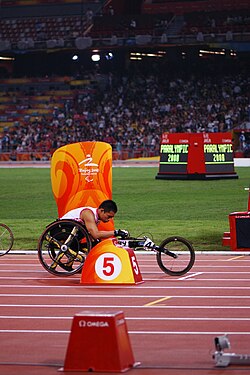
Athletics is highly inclusive, with a robust system for athletes with disabilities. Competitors are classified using a coding system where T stands for Track and F for Field. Classifications include:
- 20: Intellectual disability.
- 31–38: Cerebral palsy.
- 40–46: Amputations and other physical impairments (including dwarfism).
- 51–58: Wheelchair athletes.
Age and Gender Divisions
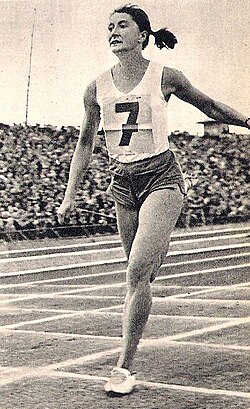
The sport is divided into men's and women's divisions. Age-based categories ensure fair competition, with World Masters Athletics organizing championships for athletes over the age of 35 in five-year age divisions.



Global Organization and Competition
Governing Bodies
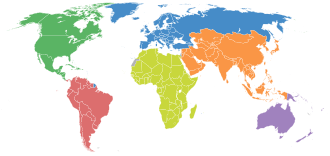
World Athletics oversees the sport globally through six continental federations:
- AAA: Asian Athletics Association
- CAA: Confederation of African Athletics
- CONSUDATLE: South American Athletics Confederation
- NACACAA: North America, Central America and Caribbean Athletic Association
- EAA: European Athletics Association
- OAA: Oceania Athletics Association
Major Competitions
The Summer Olympics remains the most prestigious event, featuring 47 athletics events (24 for men and 23 for women as of 2012). Other major competitions include the World Athletics Championships, the World Athletics U20 Championships, and various continental championships.
| Category | Key Events | Primary Venue |
|---|---|---|
| Track | Sprints, Middle/Long Distance, Hurdles, Relays | Athletics Stadium |
| Field | High Jump, Long Jump, Shot Put, Javelin | Athletics Stadium |
| Road | Marathon, 20km/50km Race Walk | City Roads |
| Cross Country | Natural terrain races | Parks/Open Country |
Frequently Asked Questions
What is the difference between the IAAF and World Athletics?
They are the same organization. The International Amateur Athletics Federation (IAAF) changed its name to the International Association of Athletics Federations in 2001 and finally to World Athletics in 2019 to reflect the professionalization of the sport.
What are the combined events in athletics?
Combined events are competitions where athletes compete in multiple track and field events to determine an overall winner. Examples include the Pentathlon, Heptathlon, and Decathlon.
How does Para-athletics classification work?
Athletes are categorized by their impairment to ensure fair competition. The prefix "T" is used for track events and "F" for field events, followed by a number that indicates the specific type of disability, such as wheelchair use (51–58) or cerebral palsy (31–38).
Is cross country still part of the Olympics?
No, cross country was removed from the main Olympic athletics programme after 1924, although it remains a part of the modern pentathlon competition.
What is the stadion in ancient athletics?
The stadion was the original and only event at the first ancient Olympic Games in 776 BC, consisting of a running race the length of the stadium.