Road Running: The Sport of the Open Road
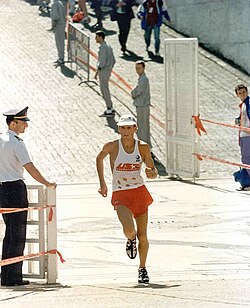
Road running is the sport of running on a measured course over an established road. Unlike track and field, which takes place on a regular oval track, or cross country running, which occurs over natural terrain, road running utilizes the infrastructure of cities and towns. It is a highly accessible form of exercise that ranges from casual recreational jogging to elite professional competition.
These events are generally classified as long-distance. While distances vary, the most common World Athletics recognized events are 5K runs, 10K runs, half marathons, and full marathons. In recent years, the sport has expanded to include wheelchair entrants and Nordic Walking as separate competitions along the same routes.
Key Facts
- Governing Body: World Athletics (formerly IAAF) sets the international standards and certifies courses.
- Common Distances: 5K, 10K, half marathon (21.098 km), and marathon (42.195 km).
- Timing Technology: Most races use Radio-Frequency Identification (RFID) chips for accurate time tracking.
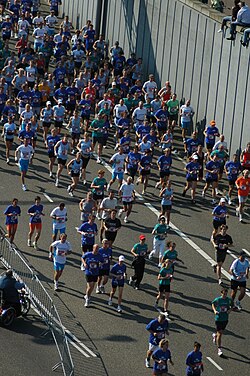
- Participation: Extremely inclusive, with millions of participants globally; 18.1 million registered for recreational races in the U.S. in 2018.
- Injury Rate: An average of 65–80% of runners experience some type of injury annually.
Race Courses and Distances
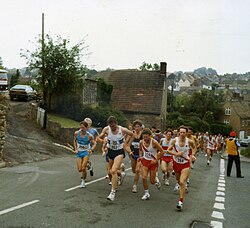
While most races occur on city streets, they can be held on any road. World Athletics recognizes eleven common distances eligible for records, provided they meet specific criteria. These range from the 1 mile (1,609.3 m) to the 100 kilometres (62.1 mi), as well as 24-hour runs. Specifically, world records are recognized for the 5K, 10K, 25K, 30K, half marathon, marathon, and 100K.
Many iconic events feature unique distances that deviate from the standard. For example, the Fifth Avenue Mile in New York City is exactly 1.0 mile, while the "City to Surf" in Sydney, Australia, covers 14 kilometres. Other notable races include the Falmouth Road Race (7.1 miles) and the "Round the Bays" run in Auckland (8.4 kilometres).
Participation and Performance
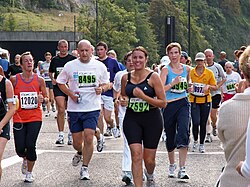
Road running is celebrated for its diversity. Events are typically open to the general public, allowing amateur runners to share the course with elite athletes. To ensure fairness, prestigious races often implement separate heats for professionals and non-professionals, as well as gender-specific categories. Many events also use an age group system to reward athletes who are not in their prime competitive age.
There is a significant gap in performance between elite and recreational runners. Elite athletes can maintain a pace of 4–5 minutes per mile (2.5–3 minutes per kilometre), whereas the average recreational runner typically maintains a pace of approximately 10 minutes per mile (6 minutes per kilometre).
Timing and Technology
To manage thousands of participants, organizers use electronic timing systems. The industry standard is Radio-Frequency Identification (RFID). RFID tags are attached to shoelaces, ankle bands, or disposable bibs. As runners cross timing mats at the start and finish lines, the system automatically records their precise time.
The Benefits of Road Running
Beyond physical fitness, road running serves as a powerful tool for community and charity. Events like the Susan G. Komen Race for the Cure and the UK's Race for Life raise significant funds and awareness for cancer research. Additionally, the Women's Mini-Marathon in Dublin is recognized as the largest all-female event of its kind globally.
From a physiological perspective, road running offers different benefits than treadmill running. Because road surfaces include varied conditions like hills, they better strengthen the glutes, hamstrings, quads, and smaller stabilizing muscles. Furthermore, the impact of road running can help improve bone density through the process of breakdown and regeneration.
Challenges and Risks
The primary disadvantage of road running is the impact on the body. Landing on hard surfaces for extended periods can lead to overuse injuries. To mitigate this, experts recommend replacing running shoes every 300–400 miles (500–650 km), as worn-down treads and poor shock absorption increase the risk of pain.
Safety is another critical concern due to vehicle traffic. Runners are encouraged to take precautions such as wearing reflective gear, bright colors, and headlights, and always running on the side of the road opposite the flow of traffic.
Cost Considerations
While the activity itself is low-cost, expenses include the regular replacement of footwear (every 400–500 miles) and race entry fees, which can be considerable for world-famous marathons.
Governing Bodies and Competition
World Athletics oversees the sport internationally, ensuring drug-free competition and legal equipment. They provide certification for courses to ensure records are valid. Nationally, bodies like USA Track & Field manage representatives for international events. Other influential organizations include the Association of International Marathons and Distance Races (AIMS) and the Road Runners Club of America.
Elite runners compete for cash prizes in prestigious series, including the World Marathon Majors, the Great Run series, and IAAF Road Race Label Events.
| Distance | Metric Equivalent | World Record Recognized? |
|---|---|---|
| 5 Kilometres (3.1 mi) | 5 km | Yes |
| 10 Kilometres (6.2 mi) | 10 km | Yes |
| Half Marathon (13.1 mi) | 21.098 km | Yes |
| Marathon (26.2 mi) | 42.195 km | Yes |
| 100 Kilometres (62.1 mi) | 100 km | Yes |
| 1 Mile (1.6 km) | 1.609 km | No |
Frequently Asked Questions
How does road running differ from treadmill running?
Road running involves varied terrain and hills, which strengthens the glutes, quads, and hamstrings more effectively than a treadmill. Additionally, the impact of road running can help improve bone density.
How often should I replace my running shoes?
To avoid overuse injuries caused by poor shock absorption, it is recommended to replace running shoes every 300–400 miles (500–650 km), though some estimates suggest up to 500 miles.
What is RFID timing in road races?
RFID (Radio-Frequency Identification) is a technology where chips are attached to a runner's bib or shoe. Timing mats at the start and finish lines detect these chips to automatically and accurately record the runner's time.
Who governs international road running?
World Athletics (formerly known as the IAAF) is the international governing body. They set competition standards, certify race courses, and ensure participants are drug-free.
What are the most common road race distances?
The four most common distances recognized by World Athletics are the 5K, 10K, half marathon, and the full marathon.