AstraZeneca: A Global Leader in Pharmaceutical and Biotechnology Innovation
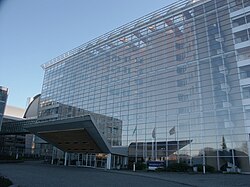
AstraZeneca stands as a prominent global force in the pharmaceutical and biotechnology industries. Headquartered at the Cambridge Biomedical Campus in England, the company operates on a massive scale, serving patients worldwide through the development of life-changing drugs and vaccines. As a major component of both the FTSE 100 and the OMX Stockholm 30, AstraZeneca represents a significant pillar of the international healthcare economy.
Key Facts
- Founded: 6 April 1999
- Headquarters: Cambridge Biomedical Campus, England
- Global Revenue (2025): US$ 58.739 billion
- Net Income (2025): US$ 10.233 billion
- Total Employees (2025): 89,900
- Key Leadership: Sir Pascal Soriot (CEO) and Michel Demaré (Chairman)
Corporate Profile and Financial Strength
AstraZeneca is a publicly traded entity listed on several major stock exchanges, including the London Stock Exchange (LSE: AZN), Nasdaq Stockholm (AZN), and the New York Stock Exchange (NYSE: AZN). The company's financial health is robust, characterized by significant assets and consistent revenue generation.
| Metric | Value (USD) |
|---|---|
| Total Revenue | $58.739 billion |
| Operating Income | $13.743 billion |
| Net Income | $10.233 billion |
| Total Assets | $114.074 billion |
| Total Equity | $48.719 billion |
A History of Strategic Growth and Acquisitions
Since its formation in 1999 through the merger of predecessors Astra AB and Zeneca Group plc, AstraZeneca has utilized a strategy of aggressive growth through mergers and acquisitions. This approach has allowed the company to expand its portfolio into specialized fields such as oncology, rare diseases, and genomic medicine.
Major Milestones and Acquisitions
The company's evolution is marked by several high-profile deals that have reshaped its capabilities:
- 2006: Acquired Cambridge Antibody Technology for £702 million.
- 2007: Acquired MedImmune, a major move in the biologics sector.
- 2021: Completed the acquisition of Alexion Pharmaceuticals, significantly boosting its presence in the rare disease market.
- 2022: Expanded its blood cancer offerings by announcing the acquisition of TeneoTwo and moved into clinical-stage genomic medicine with LogicBio Therapeutics.
- 2023-2024: Strengthened its vaccine and cell therapy pipelines through the acquisitions of Icosavax and Gracell Biotechnologies.

Expansion in the United States
Demonstrating a long-term commitment to North American markets, AstraZeneca announced in July 2025 plans to invest $50 billion in the United States by the year 2030. This investment underscores the company's focus on maintaining a leading edge in research and development (R&D).
Global Operations and Research
AstraZeneca's operational footprint is truly global. While its central leadership is based in Cambridge, the company maintains critical research and manufacturing hubs across the world. This includes significant R&D activities in locations such as Mölndal, Sweden, and various specialized sites in China and the US.
Frequently Asked Questions
What are the primary products offered by AstraZeneca?
AstraZeneca specializes in the development and production of various pharmaceutical drugs and vaccines, targeting a wide range of medical conditions including cancer, rare diseases, and respiratory illnesses.
Who is the current CEO of AstraZeneca?
Sir Pascal Soriot has served as the Chief Executive Officer (CEO) of AstraZeneca since August 2012.
How did AstraZeneca form?
AstraZeneca was founded on 6 April 1999, following the merger of Astra AB (founded in 1913) and Zeneca Group plc (which was spun off from Imperial Chemical Industries in 1993).
Which major companies are subsidiaries of AstraZeneca?
AstraZeneca's portfolio includes notable subsidiaries such as Alexion Pharmaceuticals and MedImmune.
Where is the company's global headquarters located?
The company is headquartered at the Cambridge Biomedical Campus in Cambridge, England.