Arturo Frondizi: The Architect of Argentine Developmentalism
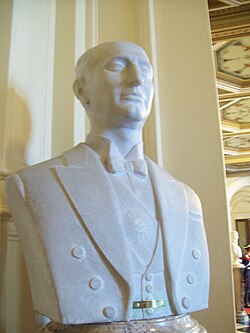
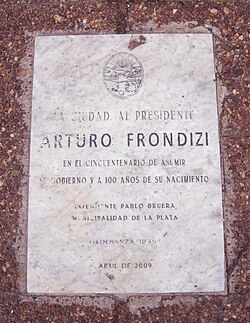
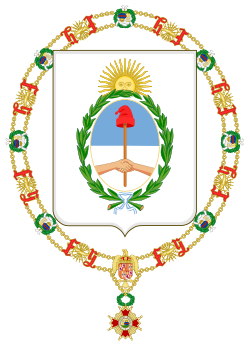
Arturo Frondizi (1908–1995) was a pivotal figure in 20th-century Argentine history. A lawyer, journalist, and statesman, he served as the 32nd President of Argentina from 1958 to 1962. His tenure was defined by a bold economic vision known as developmentalism, which sought to transform Argentina from an agrarian society into an industrial powerhouse by attracting foreign investment and fostering heavy industry.
Frondizi's political journey was marked by a constant struggle to balance the demands of the military, the influence of the banned Peronist movement, and his own progressive goals for national modernization.
Key Facts
- Presidency: Served from May 1, 1958, to March 29, 1962.
- Economic Philosophy: Promoted developmentalism, focusing on heavy industry and multinational partnerships.
- Political Affiliation: Leader of the Intransigent Radical Civic Union (UCRI).
- Education: Law graduate from the University of Buenos Aires.
- End of Term: Overthrown by a military coup in 1962.
Early Life and Political Foundations
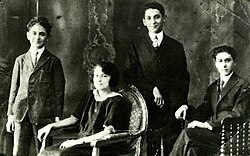
Born on October 28, 1908, in Paso de los Libres, Corrientes, Arturo Frondizi was the thirteenth child of Italian immigrants Giulio Frondizi and Isabella Ércoli. His father, a skilled mason and contractor, provided a stable upbringing that allowed Arturo to pursue higher education in the capital.
Frondizi entered the Law School of the University of Buenos Aires in 1927. His political consciousness awakened early; in 1930, he famously refused to accept his honors diploma from de facto president José Félix Uriburu, protesting the military coup that had overthrown President Hipólito Yrigoyen. This act of defiance led to his arrest in 1931.
Rise Within the Radical Civic Union
By the 1930s, Frondizi had joined the Unión Cívica Radical (UCR). In the 1940s, he became a driving force in the party's revival, co-founding the Movement of Intransigence and Renewal (MIR) to oppose military interference in politics. He was elected as a national deputy for Buenos Aires in 1946, where he navigated the complex landscape of rising Peronism.
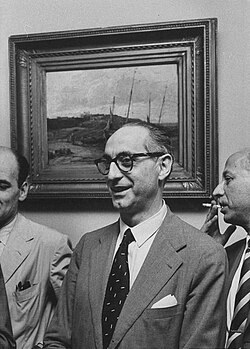
Internal friction within the UCR eventually led to a split. Frondizi led the faction that criticized the military dictatorship following the 1955 Revolución Libertadora, resulting in the creation of the Intransigent Radical Civic Union (UCRI).
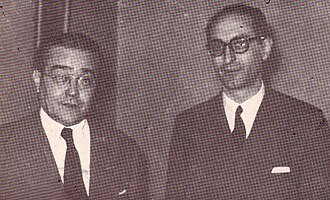
The Path to the Presidency
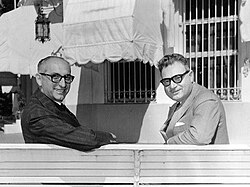
The 1958 presidential election took place under restrictive conditions: the Peronist Party was banned, and several provinces were barred from participating. Frondizi won a landslide victory, though historians widely believe this was the result of a secret pact with the exiled Juan Perón to secure the proscribed Peronist vote.
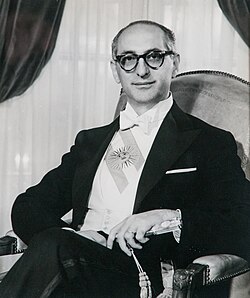
This victory was supported by a diverse coalition, including Catholics, nationalists, and left-wing progressives, all attracted by Frondizi's vision of a modernized Argentina.
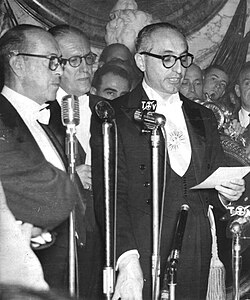
The Presidency: Developmentalism in Action
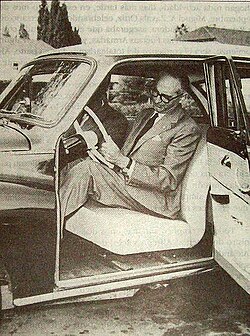
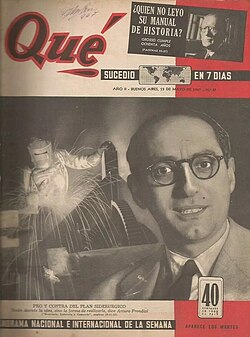
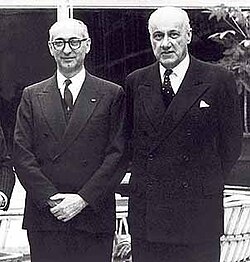
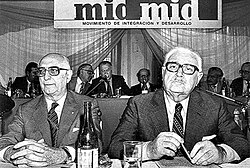
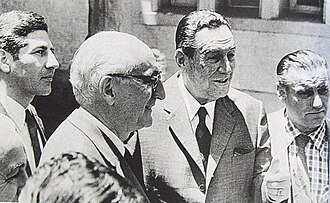
Frondizi's administration was characterized by a shift away from state-led growth toward a model that encouraged the entry of multinational companies to build heavy industry. This strategy, heavily influenced by his advisor Rogelio Frigerio, aimed to achieve economic independence through industrialization.
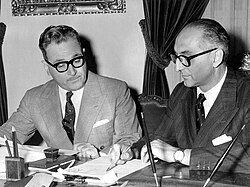
Industrial and Economic Achievements
The Frondizi era saw a surge in modern infrastructure and industrial production. Key achievements included:
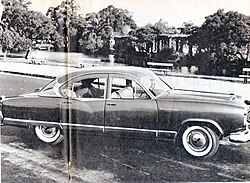
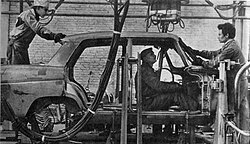
- Automotive Industry: The establishment of domestic factories, such as Industrias Kaiser Argentina and Siam Di Tella, which produced vehicles like the Kaiser Carabela.
- Energy and Agriculture: A focus on petroleum development and the modernization of farming, which saw tractor sales jump from 6,000 in 1957 to 20,000 by the end of his term.
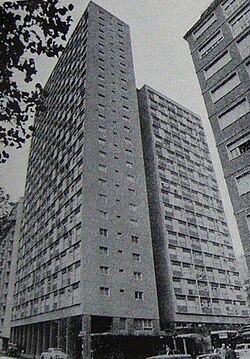
- Urbanization: The rise of modern architecture, exemplified by the high-rises in Mar del Plata.
Education and Social Policy
Frondizi recognized that industrialization required technical expertise. He transformed the National Workers' University into the National Technological University (UTN) in 1959, creating a system of campuses that became the primary training ground for Argentine engineers.
Political Conflict and Foreign Relations
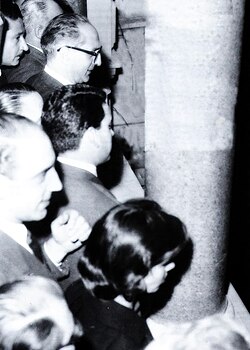
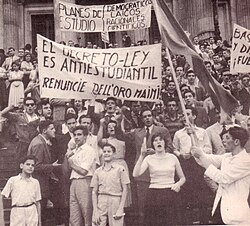
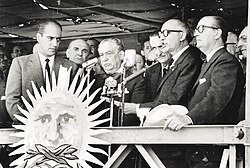
Despite economic gains, Frondizi's presidency was plagued by instability. He faced twenty-six military uprisings and six coup attempts. To maintain order, he implemented the CONINTES Plan (Conscription of Internal Security), which allowed the military to handle internal civil unrest.
Global Diplomacy
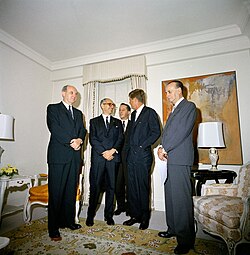
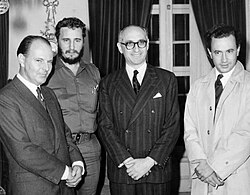
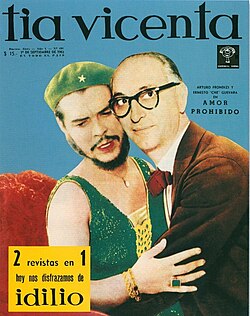
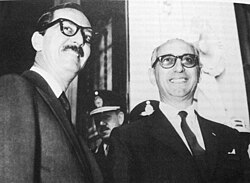
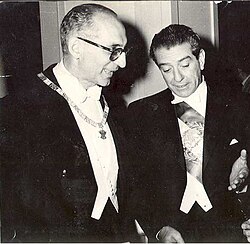
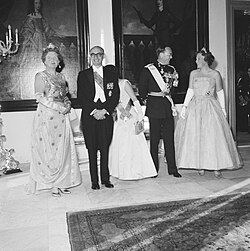
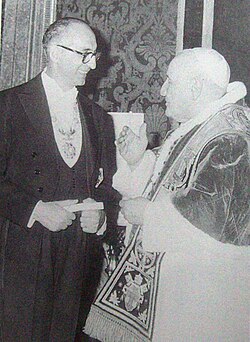
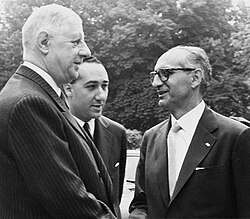
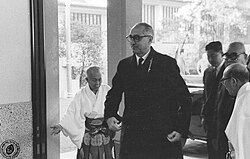
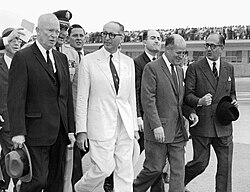
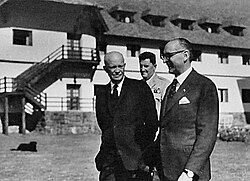
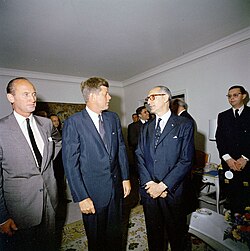
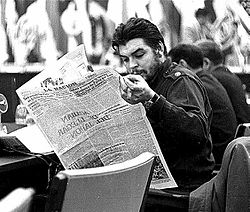
Frondizi maintained an active international profile, meeting with world leaders including John F. Kennedy, Charles de Gaulle, and Pope John XXIII. However, his willingness to engage with the Cuban Revolution—including meetings with Fidel Castro and Che Guevara—deeply angered the Argentine military.
The 1962 Coup and Later Years
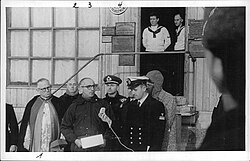
The tension reached a breaking point in March 1962. After Frondizi allowed a relative participation of neo-Peronist parties in legislative elections, the Armed Forces acted. On March 29, 1962, he was deposed in a military coup and detained on Martín García Island.
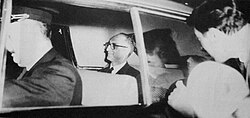
Frondizi's later life was marked by personal tragedy. In 1974, his brother Silvio was murdered by the Triple A, a right-wing death squad. He also suffered the loss of his daughter in 1976 and his wife, Elena, in 1991. He lived his final years in seclusion in Buenos Aires, passing away on April 18, 1995, at the age of 86.
| Category | Details |
|---|---|
| Term | May 1, 1958 – March 29, 1962 |
| Primary Goal | Industrialization via Developmentalism |
| Key Ally | Rogelio Frigerio |
| Major Legacy | National Technological University (UTN) & Automotive Industry |
| Reason for Exit | Military Coup |
Frequently Asked Questions

What was the 'Developmentalist' policy of Arturo Frondizi?
Developmentalism was an economic strategy that prioritized the growth of heavy industry. Unlike previous models, it relied less on direct state management and more on attracting multinational corporations and private capital to modernize the nation's industrial base.
How did Frondizi win the 1958 election despite Peronism being banned?
It is widely accepted by historians that Frondizi or his associates reached a secret agreement with Juan Perón. In exchange for certain concessions, Peronists were encouraged to cast their votes for Frondizi, ensuring his landslide victory.
What was the significance of the UTN?
The National Technological University (UTN) was created to provide the specialized engineering and technical education necessary to support Argentina's industrialization goals, becoming a cornerstone of the country's technical education system.
Why did the military overthrow Frondizi in 1962?
The military was dissatisfied with Frondizi's foreign policy—specifically his relations with Cuba—and his decision to allow neo-Peronist parties to participate in the 1962 legislative elections.
Who was Rogelio Frigerio?
Rogelio Frigerio was Frondizi's chief advisor and the intellectual architect of the developmentalist policies that defined his presidency.